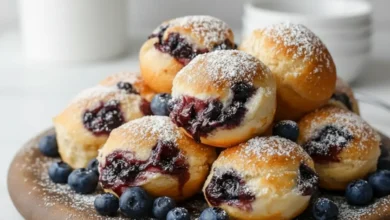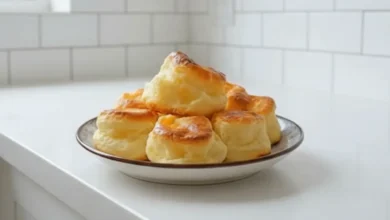
Buttermilk Beignets – Fluffy & Easy Recipe
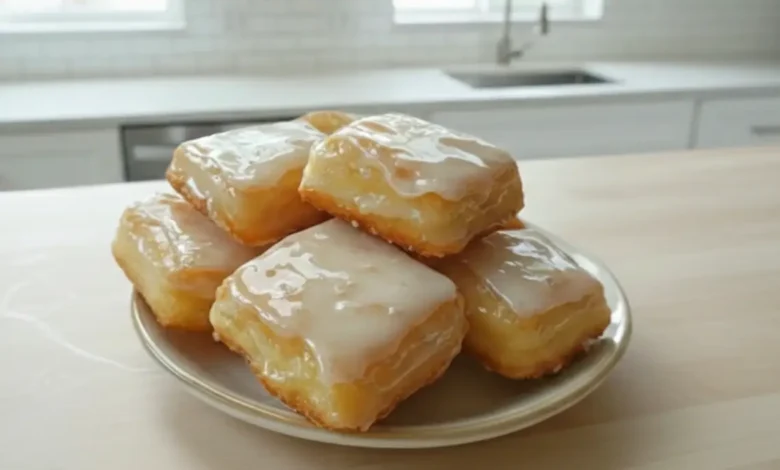
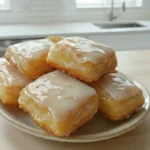
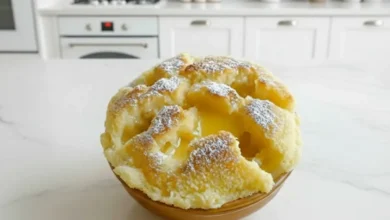
There’s a certain kind of happiness that only happens when you pull a batch of freshly fried buttermilk beignets from hot oil and watch a cloud of powdered sugar fall over them like soft snow. In that moment, your kitchen smells warm and sweet, your hands are dusted in sugar, and everything feels just a little more joyful.
If you’ve ever tasted a true New Orleans–style beignet and wished you could recreate that same magic at home, you’re in the right place. This guide will show you exactly how to make buttermilk beignets that are golden on the outside, tender on the inside, and impossibly fluffy. You’ll learn the history, the science, the step-by-step method, and the expert tricks that turn simple ingredients into something unforgettable.
By the end, you won’t just be following a recipe—you’ll understand how to master it.
What Are Buttermilk Beignets? (Origins, History & Cultural Roots)
Before you heat the oil, it helps to know what makes these treats so iconic.
The History Behind Beignets
Beignets trace their roots back to France, where they were traditionally made as simple fried pastries. When French settlers arrived in Louisiana in the 18th century, they brought their culinary traditions with them. Over time, the recipe evolved and became deeply woven into Creole food culture.
Today, beignets are inseparable from the city of New Orleans, where they’re famously served in cafés and bakeries. One of the most recognized spots is Café du Monde, which has been serving powdered sugar–covered beignets since 1862.
Traditionally, classic beignets are yeast-based and square-shaped. But when you introduce buttermilk into the dough, something special happens.
What Makes Buttermilk Beignets Different?
Buttermilk beignets differ from traditional yeast-only versions in several important ways:
- They have a subtle tang that balances the sweetness.
- The texture is slightly more tender and cake-like.
- The crumb is moist and delicate.
- The acidity enhances leavening when paired with baking soda.
If you prefer a beignet that’s soft and pillowy but still rich and flavorful, buttermilk is your secret ingredient.
Why Buttermilk Beignets Are So Irresistible
There’s a reason these fried pastries are so beloved. It’s not just nostalgia—it’s science.
The Science Behind the Fluff
When you combine buttermilk with baking soda, an acid-base reaction occurs. This reaction produces carbon dioxide bubbles that expand when heated. Those bubbles create air pockets in the dough, giving your buttermilk beignets their light, airy interior.
Here’s what’s happening in your bowl:
- Buttermilk (acid) reacts with baking soda.
- Carbon dioxide forms.
- Heat causes the gases to expand.
- The dough rises quickly in hot oil.
This process ensures your beignets puff beautifully while frying.
Flavor Profile of Buttermilk Beignets
When made properly, your buttermilk beignets should have:
- A crisp, golden exterior
- A soft, airy center
- A gentle tang from the buttermilk
- A sweet finish from powdered sugar
That contrast—crispy outside, cloud-like inside—is what makes each bite addictive.
Essential Ingredients for Perfect Buttermilk Beignets
Using high-quality ingredients makes a noticeable difference. Below is a breakdown of what you’ll need and why each component matters.
2 cups all-purpose flour
½ cup granulated sugar
1 tablespoon baking powder
½ teaspoon baking soda
½ teaspoon salt
½ teaspoon ground nutmeg
½ cup buttermilk
2 large eggs
1 teaspoon vanilla extract
¼ cup unsalted butter, melted
Vegetable oil, for frying
Powdered sugar, for dusting
Ingredient Tips for Better Results
- Use full-fat buttermilk for richer flavor.
- Make sure your baking powder and baking soda are fresh.
- Maintain oil temperature between 350–375°F.
- Sift powdered sugar before dusting to avoid clumps.
When you respect the ingredients, your buttermilk beignets reward you with perfect texture and taste.
Step-by-Step Recipe for Homemade Buttermilk Beignets
Let’s walk through the process so you can feel confident from start to finish.
In a large bowl, whisk together flour, sugar, baking powder, baking soda, salt, and nutmeg.
In a medium bowl, whisk together buttermilk, eggs, vanilla, and melted butter.
Pour wet ingredients into dry ingredients and gently fold to combine. Do not overmix.
Let the batter rest for 10–15 minutes at room temperature.
Heat vegetable oil in a deep pot to 350°F (175°C).
Drop spoonfuls of batter into the hot oil.
Fry 2–3 minutes per side, until golden brown.
Remove with a slotted spoon and drain on paper towels.
Repeat with remaining batter, maintaining oil temperature.
Dust warm beignets with powdered sugar.
Serve immediately.
Store leftovers in an airtight container for up to 2 days and reheat in a toaster oven.
Pro Tips for Fluffy and Crispy Buttermilk Beignets
Even small adjustments can elevate your results.
Frying Tips
- Use a deep, heavy-bottomed pot.
- Don’t overcrowd the oil.
- Monitor oil temperature with a thermometer.
If the oil is too hot, the outside burns before the inside cooks. Too cool, and your beignets absorb excess oil.
Dough Handling Tips
- Use minimal flour while rolling.
- Avoid pressing the dough too thin.
- Cut clean edges for better puffing.
Master these details, and your buttermilk beignets will look bakery-quality every time.
Common Mistakes to Avoid When Making Buttermilk Beignets
Knowing what not to do can save you from frustration.
Mistake 1: Oil Temperature Problems
- Too hot → Dark exterior, raw interior
- Too cold → Greasy texture
Mistake 2: Overmixing
Overmixing develops gluten, resulting in tough beignets.
Mistake 3: Skipping the Powdered Sugar Timing
Dust while warm so sugar sticks properly.
Troubleshooting Guide
Why are my buttermilk beignets flat?
Likely expired leavening or overworked dough.
Why are they oily?
Oil temperature too low.
Why didn’t they puff?
Dough too thick or not enough leavening reaction.
Variations of Buttermilk Beignets
Once you’ve mastered the classic version, experiment.
Sweet Variations
- Cinnamon sugar coating
- Chocolate-filled centers
- Lemon zest in the dough
- Maple glaze drizzle
Savory Twist
Yes, you can go savory.
- Add shredded cheese
- Incorporate fresh herbs
- Serve with dipping sauces
These variations keep your buttermilk beignets exciting for any occasion.
Serving Suggestions for Buttermilk Beignets
Presentation matters almost as much as flavor.
Serve your buttermilk beignets:
- Warm and freshly dusted
- With strong coffee or café au lait
- Alongside fresh berries
- As part of a brunch spread
For an authentic experience, serve them in generous portions, just like you’d find in a bustling New Orleans café.
Storage and Reheating Tips
While best fresh, you can store leftovers properly.
Storing
- Keep in airtight container.
- Best consumed within 1–2 days.
Reheating
- Oven at 300°F for 5–7 minutes.
- Avoid microwave (causes sogginess).
You can also freeze fried beignets and reheat in the oven for a nearly fresh texture.
Nutritional Information for Buttermilk Beignets
Per serving (approximate):
- Calories: 220–280
- Carbohydrates: 30–35g
- Fat: 10–14g
- Sugar: 8–12g
These are indulgent treats—perfect for celebrations and special mornings.
Frequently Asked Questions
What makes buttermilk beignets different from regular beignets?
Buttermilk beignets use acidic dairy, creating a tender crumb and slight tang that traditional yeast-only versions don’t have.
Can you make buttermilk beignets without yeast?
Yes. Baking powder and baking soda provide enough lift when combined with buttermilk.
Can buttermilk beignets be baked instead of fried?
You can bake them, but they won’t have the same crisp exterior or airy structure. Frying delivers authentic texture.
How do you keep buttermilk beignets fluffy?
- Use fresh leavening agents
- Avoid overmixing
- Maintain proper oil temperature
Can buttermilk beignets be made ahead?
You can prepare the dough in advance and refrigerate overnight. Fry fresh for best results.
Conclusion
When you make buttermilk beignets from scratch, you’re not just following steps—you’re creating a moment. The scent of warm dough, the sound of sizzling oil, and the first bite through a golden crust into a soft center all combine into something deeply satisfying.
Now you understand the history, the technique, and the science behind perfect buttermilk beignets. You know how to avoid common mistakes and how to customize them to suit your taste.
So here’s your next step: head to your kitchen and try it. Share your results. Experiment with flavors. Make them for brunch, birthdays, or slow Sunday mornings.
If you love easy, sweet treats, you’ll also enjoy our simple and tangy Two-Ingredient Lemon Bars recipe for a quick and delicious dessert option.