There are some desserts that make you feel at home before you even take the first bite. Spanish Bread Pudding Flan is one of them. The aroma of vanilla and cinnamon coming from the oven, the deep amber caramel covering the top, and the soft custardy center make this dessert feel both comforting and special.
It is also proof that you don’t need complicated ingredients to make an impressive homemade dessert. With day-old bread, milk, eggs, sugar, and a few pantry staples, you can turn something simple into a beautiful caramel-covered pudding worthy of Sunday dinner, holidays, or a family gathering.
This style of dessert has roots in the tradition of transforming leftover bread into custard-based puddings. One Spanish example, pan de Calatrava, is associated with Murcia and was traditionally prepared using stale bread; versions today may also use sponge cakes or similar baked goods.
If you love traditional flan but want something slightly more substantial, this Spanish Bread Pudding Flan recipe gives you the best of both worlds.
What Is Spanish Bread Pudding Flan?
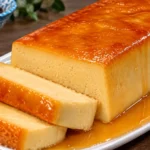
Spanish Bread Pudding Flan is essentially a meeting point between creamy caramel flan and traditional bread pudding. You soak bread in milk, combine it with an egg-based custard, pour the mixture into a caramel-coated pan, and bake until set.
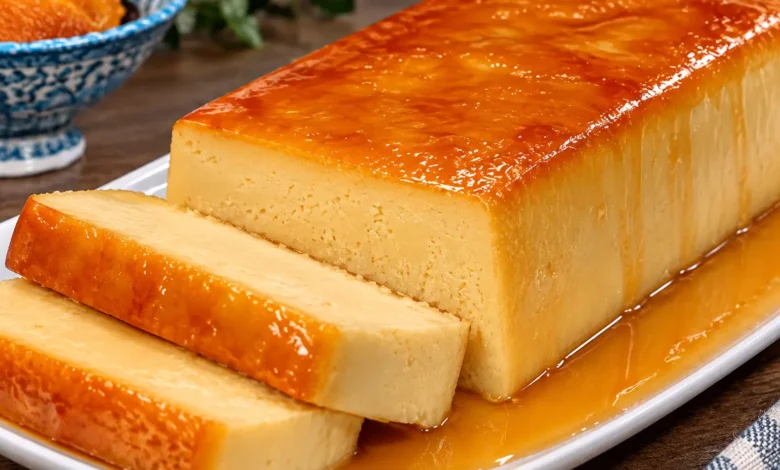
Once chilled and inverted, the caramel that was originally at the bottom of the pan becomes a glossy sauce that runs across the top and down the sides.
Bread-based flans can be lighter and creamier than conventional bread pudding while remaining denser than classic flan.
Bread Pudding Meets Caramel Flan
Traditional flan gets most of its structure from eggs and dairy, giving it a smooth, delicate custard consistency. Adding bread changes that texture.
The bread absorbs the custard and gives the dessert enough body to cut into generous slices. At the same time, baking it gently helps preserve the creamy quality you expect from flan.
You end up with three things happening in every bite:
- A moist, custardy bread pudding center
- Warm notes of vanilla and cinnamon
- Sweet caramel sauce covering the dessert
What Does Spanish Bread Pudding Flan Taste Like?
The first flavor you notice is caramel. Its deep sweetness is followed by creamy vanilla custard, while cinnamon adds warmth without overpowering the dessert.
The bread gives each slice more substance than ordinary flan. Instead of being completely silky, it has a soft, moist texture that sits somewhere between custard and pudding.
If you add orange or lemon zest, you’ll also get a fresh citrus aroma that cuts through some of the richness.
Why You’ll Love This Spanish Bread Pudding Flan Recipe
One reason this dessert deserves a place in your recipe collection is its simplicity. It takes ordinary ingredients and turns them into something that looks far more elaborate than the preparation suggests.
You’ll especially appreciate this recipe because it:
- Uses everyday pantry ingredients
- Gives day-old bread a second purpose
- Can be prepared ahead of time
- Looks impressive after unmolding
- Doesn’t require complicated decorating
- Works beautifully for family gatherings and holidays
- Combines two favorite desserts in one recipe
The make-ahead quality is particularly convenient. Caramel bread pudding can be served chilled, and some versions can be refrigerated for several days.
Spanish Bread Pudding Flan Ingredients
Your final result depends heavily on the balance between bread and custard. You need enough liquid to thoroughly soften the bread, but you don’t want so much that your pudding struggles to set.
| Ingredient | Amount | Purpose |
|---|---|---|
| Day-old bread, cubed | 5–6 cups | Gives the pudding structure |
| Whole milk | 2 cups | Softens bread and creates the custard |
| Evaporated milk | 1 cup | Adds creamy richness |
| Large eggs | 4 | Sets and binds the custard |
| Granulated sugar | 1 cup for caramel + ½ cup for custard | Adds sweetness and caramel topping |
| Vanilla extract | 2 teaspoons | Adds classic vanilla flavor |
| Ground cinnamon | 1 teaspoon | Adds warmth |
| Salt | ¼ teaspoon | Balances sweetness |
| Lemon or orange zest | 1 teaspoon, optional | Adds fresh citrus flavor |
| Raisins | ½ cup, optional | Adds sweetness and texture |
The Best Bread for Bread Pudding Flan
Slightly stale bread is an excellent choice because it readily absorbs the custard. Spanish-style bread pudding recipes commonly call for stale or day-old bread.
Good choices include:
- French bread
- Baguette
- Brioche
- Challah
- Italian bread
- Firm white sandwich bread
Brioche gives you a particularly rich result, while French bread or baguette produces a more traditional, sturdy texture.
Can You Use Fresh Bread?
Yes. If fresh bread is all you have, cut it into cubes and let it sit uncovered for a while, or dry it briefly in a low oven.
The goal isn’t to make the bread rock-hard. You simply want to remove enough moisture so it can soak up plenty of flavorful custard.
How to Make Spanish Bread Pudding Flan
The process becomes much easier when you divide it into a few simple stages.
Step 1 – Prepare the Caramel
Place 1 cup of granulated sugar in a heavy saucepan over medium-low to medium heat.
Allow the sugar to melt, watching it carefully as it changes from clear to golden amber. Gently swirl the pan when necessary rather than aggressively stirring the caramel.
Once the caramel reaches a rich amber color, immediately pour it into your baking pan. Carefully tilt the pan so the caramel spreads across the bottom.
Be extremely careful during this step. Melted sugar is exceptionally hot and can cause serious burns.
Set the caramel-coated pan aside while you prepare the pudding.
Step 2 – Soak the Bread
Place 5 to 6 cups of cubed day-old bread in a large mixing bowl.
Pour the whole milk and evaporated milk over the bread. Press the pieces gently into the liquid so they’re evenly moistened.
Allow the mixture to rest for about 10–15 minutes.
During this time, the bread should soften and absorb much of the milk.
Step 3 – Prepare the Custard
In another bowl, whisk together:
- 4 large eggs
- ½ cup granulated sugar
- 2 teaspoons vanilla
- 1 teaspoon cinnamon
- ¼ teaspoon salt
- Optional lemon or orange zest
Whisk until everything is evenly combined.
Getting the Right Custard Consistency
You don’t need to beat a lot of air into the eggs. A gentle but thorough whisk is enough.
The objective is to distribute the eggs evenly throughout the milk and bread so your pudding sets consistently instead of developing overly eggy areas.
Step 4 – Combine the Bread and Custard
Pour your egg mixture over the soaked bread.
Gently stir until everything is combined. Add raisins at this stage if you’re using them.
You can leave some bread pieces intact for a rustic texture. If you prefer something closer to flan, break the bread down more thoroughly.
Step 5 – Fill the Caramel-Coated Pan
Carefully spoon or pour your bread mixture over the hardened caramel.
Spread it evenly without disturbing the caramel layer unnecessarily.
Tap the pan gently against your counter to settle the mixture.
Step 6 – Bake in a Water Bath
Preheat your oven to 350°F (175°C).
Place the filled baking pan inside a larger roasting pan. Carefully pour hot water into the outer pan until it reaches roughly halfway up the sides of your pudding pan.
Bake for approximately 55–70 minutes, checking toward the earlier end of that range.
The water bath, or bain-marie, is a classic technique used for caramel custards and bread-flan desserts because it surrounds the custard with gentler heat.
Step 7 – Cool and Chill
Remove the pudding pan carefully from the water bath.
Let it cool at room temperature before transferring it to your refrigerator.
Chill for at least 4 hours. For an easy make-ahead dessert, you can refrigerate it overnight.
This cooling period isn’t something you want to rush. Your pudding becomes firmer as it chills, which makes it considerably easier to unmold and slice.
Step 8 – Unmold and Serve
Run a thin knife gently around the edge of the chilled pudding.
Place a large serving plate upside down over the baking pan. Hold the plate and pan firmly together, then quickly invert them.
Slowly lift the pan.
The pudding should release onto the plate while the caramel pours down the sides, creating that signature glossy finish.
How to Know When Spanish Bread Pudding Flan Is Done
Don’t judge your pudding solely by the clock. Different ovens, pans, and bread types can slightly change the cooking time.
Look for edges that appear firm and a center that is set but may still have a slight jiggle.
The center should not look like liquid custard.
Remember that your pudding will continue firming as it cools, so baking until it becomes completely rigid can leave you with a dry dessert.
Tips for the Best Spanish Bread Pudding Flan
Use Day-Old Bread
Drier bread is particularly useful because it can soak up the flavorful custard while still giving the pudding structure.
Watch Your Caramel Closely
Caramel can go from beautifully amber to burnt surprisingly quickly.
You’re looking for a deep golden color. If it becomes extremely dark, its flavor may turn bitter.
Give the Bread Enough Time to Soak
Don’t immediately bake your mixture after pouring milk over dry bread.
Giving the bread several minutes to absorb the liquid creates a more evenly moist pudding.
Don’t Skip the Water Bath
A water bath provides gentler heat around your custard. It’s widely used for flan and other baked custards to encourage even cooking.
Chill Before Flipping
Trying to invert a warm pudding increases the chance that it will break.
For cleaner slices and easier unmolding, chill it thoroughly first.
Common Spanish Bread Pudding Flan Mistakes
Why Is My Bread Pudding Flan Watery?
If your dessert remains excessively wet after cooling, it may have been underbaked.
Other possibilities include using too much liquid or not enough bread.
Remember that the middle should be set before you remove the pudding from the oven.
Why Did My Caramel Turn Hard?
Don’t panic when the caramel becomes hard after you pour it into your baking pan.
That’s expected.
The caramel melts again as your pudding bakes and eventually creates the sauce that covers the dessert when you flip it.
Why Did My Flan Break?
Your pudding may break if you:
- Underbaked it
- Tried to unmold it while warm
- Didn’t chill it long enough
- Forgot to loosen the edges
- Used a serving plate smaller than the pudding
Why Does My Caramel Taste Bitter?
You probably cooked the sugar too long.
Remove your caramel from the heat when it reaches a deep amber rather than waiting until it becomes very dark brown.
Delicious Spanish Bread Pudding Flan Variations
Once you’ve mastered the basic recipe, you can easily change the flavors.
Cinnamon Raisin Bread Pudding Flan
Add raisins and an extra pinch of cinnamon for a warm, old-fashioned variation.
Orange Bread Pudding Flan
Add fresh orange zest to your custard. Citrus works especially well against the richness of caramel and eggs.
Coconut Bread Pudding Flan
Replace part of the milk with coconut milk and sprinkle toasted coconut over the finished pudding.
Rum Raisin Bread Pudding Flan
Soak your raisins in rum before adding them to the bread mixture for an adults-only variation.
Chocolate Bread Pudding Flan
Add cocoa or finely chopped chocolate to the custard for a richer dessert.
What to Serve With Spanish Bread Pudding Flan
You don’t need much because the caramel already acts as a sauce.
For a little contrast, serve your flan with:
- Fresh strawberries or raspberries
- Sliced oranges
- Lightly whipped cream
- Toasted almonds
- Toasted coconut
- Fresh mint
- Coffee or espresso
Try not to overwhelm the dessert with heavy toppings. The caramel should remain the star.
How to Store Spanish Bread Pudding Flan
Because your dessert contains eggs and dairy, refrigerate leftovers promptly in a covered container.
For best texture, keep the dessert tightly covered so it doesn’t dry out or absorb odors from other refrigerated foods.
Can You Make Spanish Bread Pudding Flan Ahead of Time?
Absolutely.
In fact, this dessert is particularly convenient for entertaining because chilling gives the custard time to become firm enough for easy slicing.
Prepare it the evening before your gathering, refrigerate overnight, and unmold it before serving.
Nutritional Information
Exact nutritional values depend on your bread, dairy products, portion size, and optional ingredients.
A finished recipe’s nutritional calculation should account for:
- Calories
- Carbohydrates
- Protein
- Total fat
- Saturated fat
- Sugar
- Sodium
Treat nutritional values as estimates because brands and serving sizes can produce different results.
FAQ About Spanish Bread Pudding Flan
What Is Spanish Bread Pudding Flan?
Spanish Bread Pudding Flan is a caramel-topped custard dessert made by combining bread with milk, eggs, sugar, and flavorings before baking and chilling it. It combines characteristics of traditional bread pudding with caramel flan.
What Is the Difference Between Flan and Bread Pudding Flan?
Classic flan primarily consists of an egg-and-milk custard and typically has a smooth texture. Bread pudding flan incorporates bread, giving it a firmer and slightly denser consistency.
Can I Make Spanish Bread Pudding Flan With Stale Bread?
Yes. In fact, stale or day-old bread is traditionally used in several caramel bread pudding preparations and works especially well because it readily absorbs the custard.
Does Spanish Bread Pudding Flan Need a Water Bath?
A water bath is highly recommended for this version. It creates gentler, more even heat around the pudding and is a common technique for baked flans and caramel custards.
Can I Make Spanish Bread Pudding Flan the Day Before?
Yes. Prepare and bake your pudding, let it cool, and refrigerate it overnight. You can then unmold it when you’re ready to serve.
Why Won’t My Spanish Bread Pudding Flan Come Out of the Pan?
First, make sure the pudding is thoroughly chilled. Run a thin knife around the edges before flipping it.
If necessary, briefly warm the outside bottom of the pan to help loosen stubborn caramel, taking care not to overheat the dessert.
Should Spanish Bread Pudding Flan Be Served Warm or Cold?
You can enjoy caramel bread pudding at room temperature or chilled. For this particular recipe, chilled is preferable because refrigeration creates a firmer consistency and makes the pudding easier to slice.
Conclusion: A Comforting Caramel Dessert Worth Sharing
Spanish Bread Pudding Flan shows just how far a handful of simple ingredients can go. Day-old bread that might otherwise be forgotten becomes the foundation of a creamy custard, while homemade caramel transforms the finished pudding into an eye-catching dessert.
You get the comforting quality of traditional bread pudding with the glossy caramel finish and custardy richness people love about flan. Better still, you can prepare it ahead of time, which makes it equally suitable for a relaxed Sunday dinner or a special holiday table.
The first time you flip the chilled pudding onto a plate and watch that golden caramel cascade down the sides, you’ll understand why such a simple dessert can feel so special.
Save this Spanish Bread Pudding Flan recipe for your next family dinner, and once you try it, leave a comment and rating to share how it turned out. Don’t forget to share the recipe with someone who can’t resist a homemade caramel dessert.
Spanish Bread Pudding Flan