
Sourdough Pizza Dough Recipe – A Perfectly Tangy, Crispy Crust

Making pizza from scratch is an experience that brings both pride and excitement to home cooks. Whether you’re crafting the perfect pizza for a family dinner or impressing friends with your skills, mastering the sourdough pizza dough recipe will take your homemade pizza game to the next level. The tangy flavor and chewy texture of sourdough dough creates a superior crust that no store-bought alternative can match.
In this article, we’ll walk you through everything you need to know about making the perfect sourdough pizza dough. From understanding the ingredients to shaping and baking, you’ll have all the tips, tricks, and troubleshooting advice to ensure that your dough rises beautifully and your pizza tastes incredible.
Why Choose Sourdough for Your Pizza Dough?
The Tangy Flavor Profile
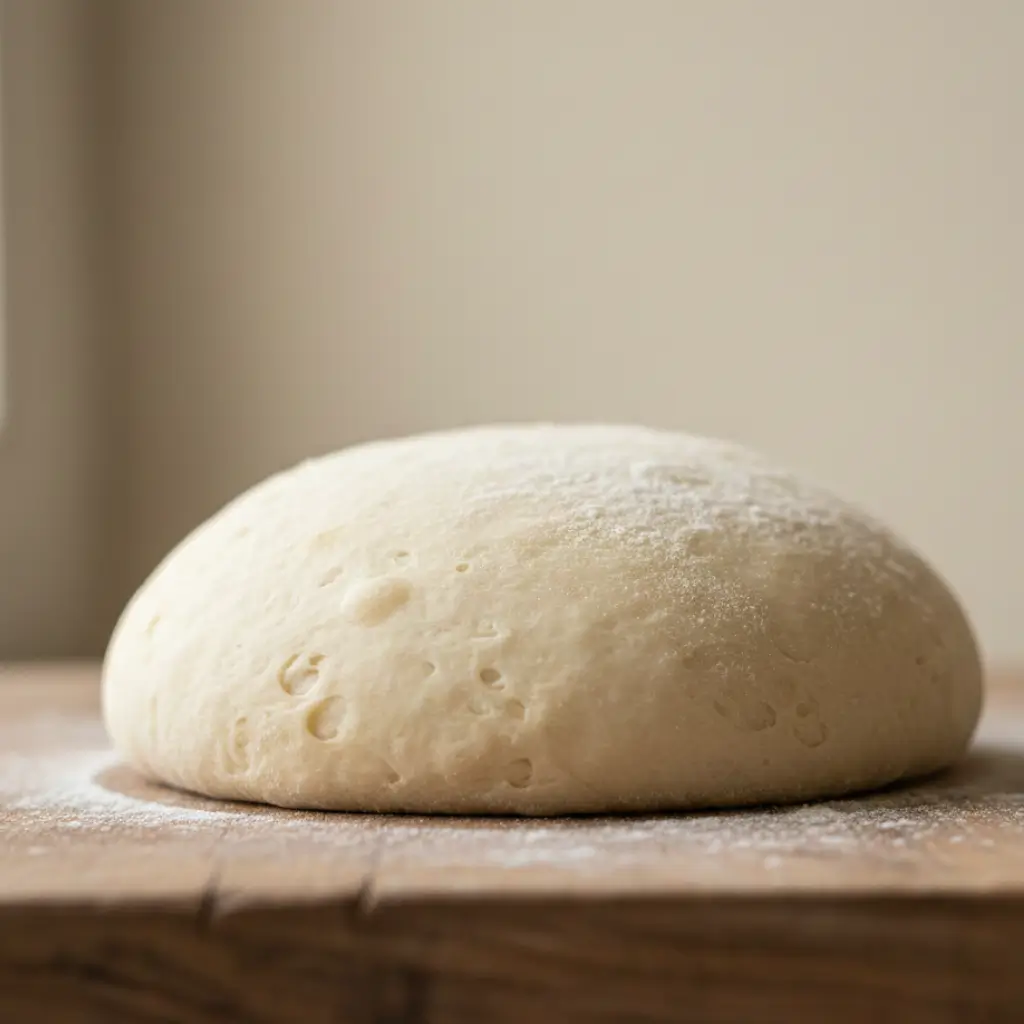
When it comes to pizza dough, the foundation is everything. Traditional pizza dough is made with yeast, but sourdough pizza dough stands out due to its unique flavor profile. The wild yeast and bacteria in sourdough give it a tangy, complex flavor that develops over time. This natural fermentation process creates a dough that has more depth and richness compared to its yeast-based counterpart.
The longer the dough ferments, the more pronounced the tang will be. So, if you love that little zing in every bite, sourdough pizza dough is the way to go. The fermentation process also breaks down the gluten, which leads to a softer, more elastic dough.
Texture That Makes a Difference
While flavor is essential, texture is just as important when it comes to pizza dough. Sourdough pizza dough creates a beautiful balance between a crisp, slightly charred crust and a chewy, airy interior. This texture comes from the long fermentation period that allows the dough to develop air pockets. When baked at high heat, these pockets expand and create the light, airy bite you crave in a perfect pizza crust.
Health Benefits of Sourdough
You might be surprised to learn that sourdough also comes with some health benefits. Because it’s fermented, sourdough contains beneficial bacteria (probiotics) that can support gut health. The fermentation process also reduces the glycemic index of the dough, making it a slightly healthier option than regular pizza dough. The natural fermentation can also make the dough easier to digest.
If you’re curious about the health benefits of sourdough and how it compares to other types of bread, check out this comprehensive article on the nutritional advantages of sourdoughhere.
Key Ingredients for Sourdough Pizza Dough
To make a sourdough pizza dough that’s full of flavor and texture, you need to start with the right ingredients. Each ingredient plays a specific role in the dough’s development, so be sure to use high-quality products for the best results.
| Ingredient | Amount | Purpose |
|---|---|---|
| Active Sourdough Starter | 1/2 cup (120g) | Provides the leavening and tangy flavor |
| Bread Flour | 3 cups (360g) | Provides structure and elasticity, ideal for pizza dough |
| Water | 1 1/4 cups (300ml) | Hydrates the dough, helps activate gluten |
| Salt | 1 1/2 tsp | Enhances flavor and strengthens the dough’s structure |
| Olive Oil | 2 tbsp | Adds richness and helps with the dough’s texture |
| Honey or Sugar | 1 tsp | Supports fermentation and contributes to browning |
How to Prepare Your Sourdough Pizza Dough
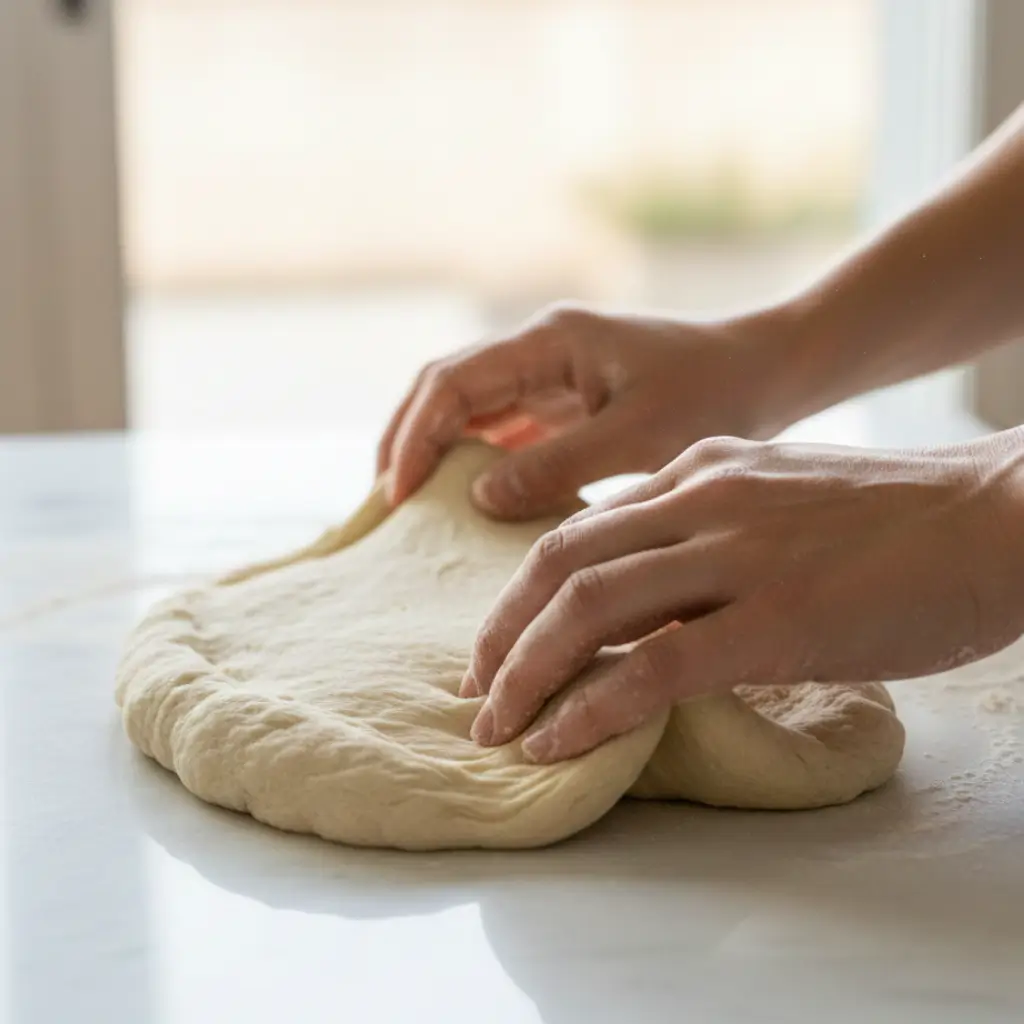
Making sourdough pizza dough is a relatively simple process, but it does require some patience. You’ll need to follow a few steps to ensure that your dough rises beautifully and has the perfect texture when baked.
Activate Your Sourdough Starter
Before you start mixing, make sure your sourdough starter is active and bubbly. If it’s been sitting in the fridge for a while, you’ll need to feed it by adding equal parts flour and water. Let it sit at room temperature for about 4 to 6 hours to allow it to become bubbly and active.
Mix the Ingredients
Once your starter is ready, it’s time to mix the dough. In a large mixing bowl, combine the sourdough starter, bread flour, water, salt, and olive oil. Use a spoon or your hands to mix everything together until it forms a rough dough. It should be a little sticky, but you can add more flour if needed.
Knead the Dough
Turn the dough out onto a lightly floured surface and begin kneading it. Knead for about 10 minutes until the dough is smooth and elastic. If the dough is too sticky, you can add small amounts of flour as you go, but be careful not to overdo it, as too much flour will result in a dense dough.
Bulk Fermentation
After kneading, place your dough in a lightly oiled bowl and cover it with a damp towel. Allow it to rise at room temperature for 4 to 24 hours. The longer it ferments, the tangier the dough will become. During this time, the wild yeast will work its magic, causing the dough to rise and develop flavor.
If you have the time, a longer fermentation will yield better results. You can also refrigerate the dough for up to 3 days to develop even more flavor.
For a delicious pizza topping idea to complement your homemade dough, check out our mouthwatering Pizza Pasta Bake recipehere.
Troubleshooting Common Issues with Sourdough Pizza Dough
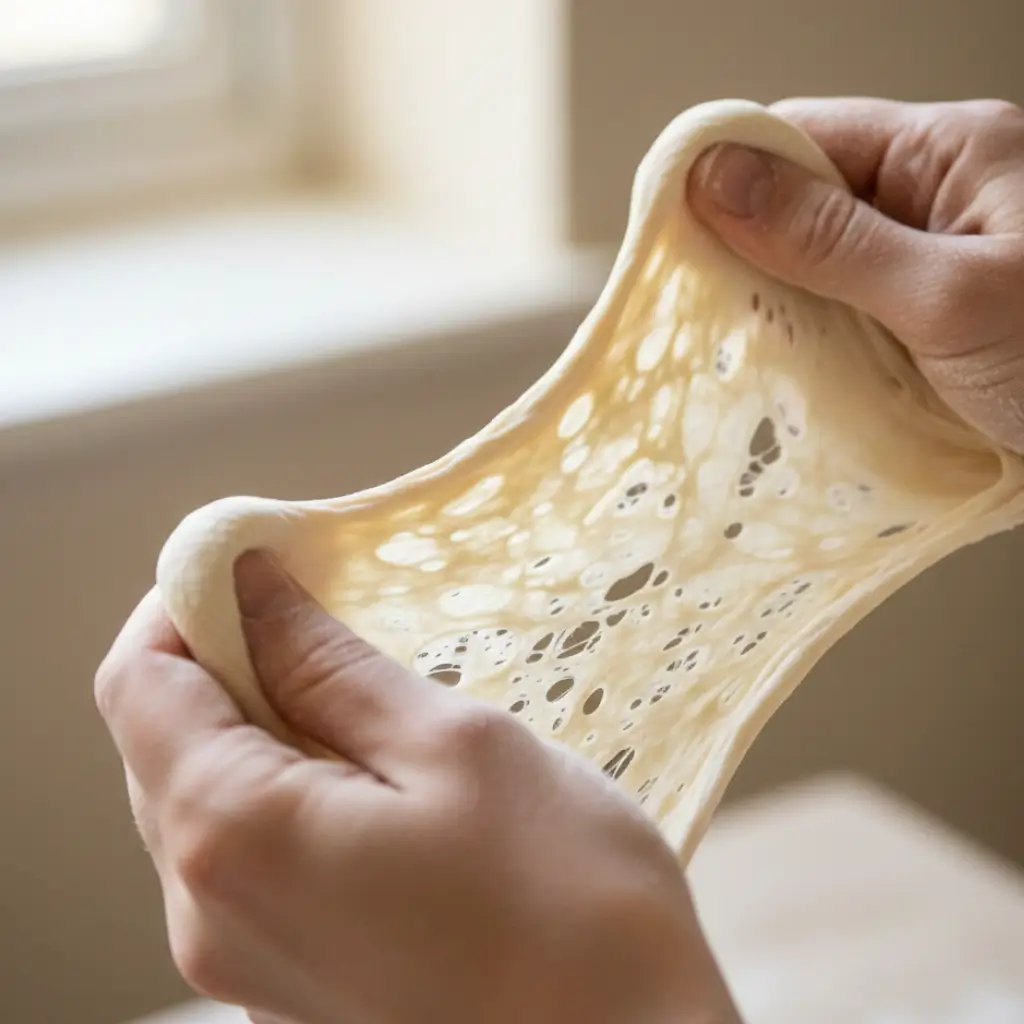
Making sourdough pizza dough is a learning process, and you may encounter a few issues along the way. Don’t worry! Here are some common problems and solutions to help you out.
Too Sticky Dough?
If your dough is too sticky to handle, try adding a little more flour, but go slow. Adding too much flour can make the dough dense and dry. Also, let the dough rest for 15 to 20 minutes before kneading again. This will allow the flour to absorb the water more evenly, making it easier to work with.
Dough Won’t Rise?
If your dough isn’t rising as expected, it could be due to a few factors:
- Your sourdough starter might not be active enough. Make sure it’s bubbly and has been properly fed before using it.
- The temperature in your kitchen might be too cold. Try moving the dough to a warmer spot to help it rise.
- Make sure you’re giving it enough time. Sourdough dough takes longer to rise than regular yeast dough.
Crust Too Tough?
If your crust turns out too tough, it might be because the dough was overworked or the baking time was too long. Reduce the kneading time slightly, and make sure to bake the pizza at a high temperature to get the best results.
If you’re looking for another great dish to enjoy alongside your pizza, be sure to try our Keto Reuben Casserole recipehere.
How to Shape and Bake Your Sourdough Pizza Dough
Once your dough has fermented and risen, it’s time to shape it into a pizza base and bake it to perfection.
Shaping the Dough
Turn your dough out onto a floured surface and gently press it down to form a flat disc. Use your fingers to stretch the dough into your desired pizza shape. You can use a rolling pin, but be careful not to press out all the air pockets. The more you handle the dough, the denser it can become. Instead, use your hands to stretch and pull gently to keep that airy texture.
Preheat Your Pizza Stone
Preheat your oven to 475°F (245°C) and place a pizza stone or baking sheet inside while the oven heats. The stone helps to create a crisp crust by drawing moisture away from the dough as it bakes. Let the stone heat up for at least 30 minutes.
Baking the Pizza
Once the pizza stone is hot, carefully slide your shaped pizza onto the stone. Bake for 10 to 12 minutes, or until the crust is golden and the cheese is bubbling. If you like a crispier crust, you can bake it for a few extra minutes. If you’re using a baking sheet, the process will be the same, but it might take slightly longer to achieve the same crispness.
Tips for a Perfect Pizza
- Toppings Matter: Be mindful of your toppings. Too many can make the pizza soggy, so keep them light and simple.
- Neapolitan-Style Pizza: If you want to go for a traditional Neapolitan pizza, use a simple tomato sauce, fresh mozzarella, and basil leaves. Less is more!
- Rest the Pizza: After baking, let your pizza rest for a few minutes before slicing. This will allow the flavors to settle and make it easier to cut.
Conclusion
Making sourdough pizza dough at home is a gratifying process that yields delicious, restaurant-quality results. With just a few simple ingredients and some patience, you can create a tangy, crispy crust that’s perfect for any pizza topping you can imagine. The best part? Sourdough pizza dough is incredibly customizable and can be adjusted to your taste with just a few tweaks in the fermentation process.
So, grab your sourdough starter, dust off your pizza stone, and get baking! The perfect pizza crust awaits, and with this guide, you’re armed with all the knowledge you need to make it happen.
FAQ: Sourdough Pizza Dough Recipe
- What type of flour should I use for sourdough pizza dough?
- Bread flour is best for sourdough pizza dough because it has a higher protein content, which helps develop gluten for a chewy texture.
- Can I use store-bought sourdough starter?
- Yes! Store-bought starters work perfectly well. Just make sure it’s active before using it in your dough.
- How long can I store the dough before using it?
- You can store sourdough pizza dough in the fridge for up to 3 days. Just be sure to let it come to room temperature before shaping.
- Can I make this dough ahead of time?
- Yes, sourdough dough actually benefits from a longer fermentation time. You can make it the day before and refrigerate it for even better flavor.
- How can I tell if my sourdough pizza dough is ready?
- Perform the “poke test”: gently press your finger into the dough. If the indentation remains and doesn’t spring back too quickly, it’s ready to be shaped and baked.
Now that you have all the information you need, it’s time to get baking. Your homemade sourdough pizza dough will be the perfect base for creating a mouthwatering pizza that everyone will love. Happy baking!