
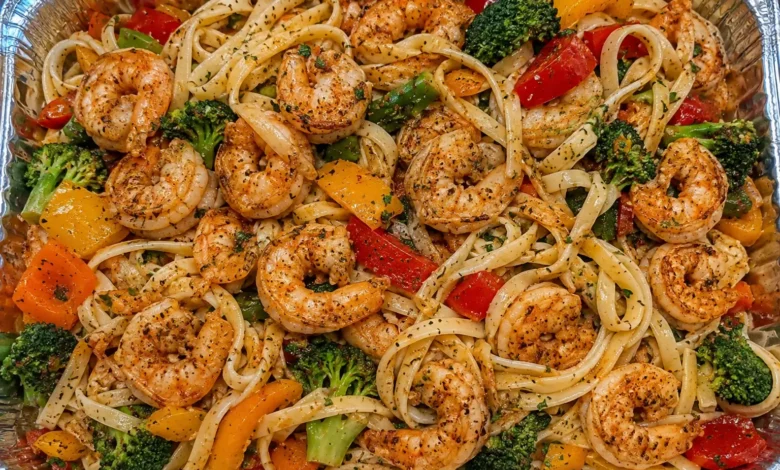
Some evenings, cooking dinner feels like one more task on an already crowded list. You want something homemade and satisfying, but the thought of juggling several pans—and cleaning them afterward—can make takeout look tempting. That’s where One Tray Shrimp & Vegetable Pasta earns a spot in your dinner rotation.
This colorful pasta combines juicy shrimp, roasted vegetables, garlic, herbs, Parmesan, and fresh lemon with tender pasta. You get a dinner that feels fresh and comforting at the same time, without relying on a heavy sauce.
Better still, you can adapt the vegetables, pasta shape, and seasonings to what you already have. That flexibility makes this easy shrimp pasta especially useful when you’re trying to turn everyday ingredients into a meal everyone actually wants to eat.
Why You’ll Love This One Tray Shrimp & Vegetable Pasta
The biggest appeal of One Tray Shrimp & Vegetable Pasta is simplicity. Instead of preparing the shrimp and vegetables in separate skillets, you roast them on the same tray and toss them with freshly cooked pasta.
You get different textures in every bite: tender shrimp, slightly caramelized vegetables, juicy tomatoes, and pasta coated with garlicky pan juices.
A Quick Dinner With Less Cleanup
This recipe works particularly well for busy weeknights because most of the hands-on work is simple chopping, seasoning, and tossing.
You’ll love it because:
- Shrimp cooks quickly.
- The vegetables roast together on one tray.
- You can use different vegetables depending on the season.
- There’s no complicated homemade sauce.
- Pasta turns it into a filling main dish.
- Most of the cooking happens in the oven.
- Cleanup stays manageable.
It’s also easy to adjust. Want more vegetables? Add them. Prefer a little heat? Sprinkle in red pepper flakes. Want something richer? Finish the pasta with butter or additional Parmesan.
Ingredients for One Tray Shrimp & Vegetable Pasta
You don’t need an oversized ingredient list to make flavorful shrimp pasta. Garlic, olive oil, herbs, Parmesan, and lemon do most of the work.
| Ingredient | Amount | Purpose |
|---|---|---|
| Short pasta | 12 oz | Hearty base |
| Large shrimp, peeled and deveined | 1 lb | Main protein |
| Zucchini | 1 medium | Tender vegetable texture |
| Bell pepper | 1 large | Sweetness and color |
| Cherry tomatoes | 1½ cups | Juiciness and acidity |
| Red onion | ½ medium | Savory sweetness |
| Garlic | 4 cloves | Aromatic flavor |
| Olive oil | 3 tbsp | Roasting and seasoning |
| Italian seasoning | 1 tsp | Herb flavor |
| Paprika | 1 tsp | Warm seasoning |
| Salt | ¾ tsp, or to taste | Enhances flavor |
| Black pepper | ½ tsp | Mild bite |
| Parmesan cheese | ½ cup | Savory finish |
| Fresh lemon juice | 2 tbsp | Brightness |
| Fresh parsley | 2 tbsp | Fresh garnish |
Choosing the Best Shrimp
Large shrimp are an excellent choice because they’re substantial enough to remain juicy while roasting. Buying shrimp that are already peeled and deveined can also save considerable prep time.
Both fresh and frozen shrimp work. If you’re starting with frozen shrimp, thaw them first and dry them thoroughly with paper towels. The FDA recommends thawing frozen seafood gradually in the refrigerator; for faster thawing, sealed seafood can be placed in cold water. (U.S. Food and Drug Administration)
Removing excess moisture matters because wet shrimp release water on the baking tray. Instead of roasting, they can begin steaming.
Best Vegetables for Shrimp Pasta
Zucchini, bell pepper, cherry tomatoes, and red onion give this dish a good mixture of color, sweetness, and texture.
You can also experiment with:
- Broccoli florets
- Yellow squash
- Asparagus
- Mushrooms
- Green bell peppers
- Spinach
Keep cooking time in mind when making substitutions. Firm vegetables such as broccoli may need to roast before you add the shrimp, while delicate vegetables cook much faster.
How to Make One Tray Shrimp & Vegetable Pasta
The secret isn’t a complicated technique. It’s timing. Your vegetables need longer in the oven than your shrimp, so you’ll add the ingredients in stages.
Step 1: Cook the Pasta
Bring a large pot of salted water to a boil and cook 12 ounces of pasta according to the package instructions until al dente.
Before draining it, reserve about ½ cup of pasta water.
You may not need all of it, but a splash can help loosen the finished pasta and distribute the Parmesan, olive oil, lemon, and roasting juices.
Drain and set aside.
Step 2: Roast the Vegetables
Preheat your oven to 425°F (220°C).
Add the zucchini, bell pepper, tomatoes, and red onion to a large rimmed baking tray.
Drizzle with about 2 tablespoons of olive oil. Add half of the garlic, Italian seasoning, salt, and black pepper. Toss until everything is lightly coated.
Spread the vegetables into a single layer.
Roast for approximately 12–15 minutes, or until they have started softening and developing browned edges.
Step 3: Season and Add the Shrimp
While the vegetables roast, place your shrimp in a bowl.
Add the remaining olive oil, garlic, paprika, and a little salt and pepper. Toss until evenly coated.
Remove the tray from the oven and move the vegetables around slightly. Arrange the seasoned shrimp among them, leaving enough room for the heat to circulate.
Return the tray to the oven and cook until the shrimp are done, typically just several minutes depending on their size and your oven.
How Do You Know When Shrimp Are Done?
Avoid judging shrimp only by cooking time because size and oven performance vary. Shrimp should become firm, pearly, and opaque when properly cooked. FoodSafety.gov gives those visual indicators specifically for shrimp and other crustaceans; USDA guidance lists 145°F as the safe minimum temperature for fish and shellfish generally. (FoodSafety.gov)
The main thing you want to avoid is continuing to roast shrimp long after they’re done. That’s when their tender texture can turn firm and rubbery.
Step 4: Toss Everything Together
Once the shrimp and vegetables are ready, add your drained pasta.
Sprinkle Parmesan over everything, add fresh lemon juice, and toss.
If the pasta seems dry, add a small splash of reserved pasta water and toss again.
Finish with chopped parsley and, if you like, another sprinkle of Parmesan and freshly cracked black pepper.
Your One Tray Shrimp & Vegetable Pasta is ready to serve.
Tips for Perfect Shrimp and Vegetable Pasta
Small details can make a noticeable difference in the finished meal.
Don’t Add the Shrimp Too Soon
Vegetables usually need considerably more roasting time than shrimp. If you put everything on the tray simultaneously, your shrimp may be overcooked before your vegetables are tender.
Give the vegetables a head start.
Don’t Crowd Your Baking Tray
A crowded tray holds moisture around the ingredients. Giving the vegetables some room helps them develop those flavorful roasted edges.
If you’re doubling the recipe, two trays will usually give you better results than squeezing everything onto one.
Cut Vegetables Into Similar Sizes
Try to keep pieces relatively consistent. If some pieces are tiny while others are large, you’ll end up with vegetables at very different stages of doneness.
Save Your Pasta Water
Before draining pasta, scoop out some cooking water. You can use a few tablespoons at the end to help create a light coating rather than adding extra oil.
Finish With Fresh Lemon
Don’t underestimate the lemon.
Shrimp, Parmesan, garlic, and olive oil all have rich savory notes. Fresh lemon cuts through that richness and makes the entire pasta taste brighter.
Easy One Tray Shrimp & Vegetable Pasta Variations
Once you understand the basic method, you can change the flavor without learning a completely different recipe.
Spicy Shrimp Vegetable Pasta
For extra heat, add crushed red pepper flakes or a small amount of cayenne.
You can also replace the Italian seasoning with Cajun seasoning for a bolder version.
Garlic Butter Shrimp Pasta
For something richer, use melted butter for part of the olive oil and add an extra clove or two of garlic.
Finish with lemon and parsley to balance the buttery flavor.
Mediterranean Shrimp Pasta
Give your pasta Mediterranean-inspired flavors by adding ingredients such as:
- Kalamata olives
- Feta
- Cherry tomatoes
- Spinach
- Fresh parsley
- Lemon zest
Creamy Shrimp and Vegetable Pasta
If you’re craving creamy pasta, toss the finished dish with a little warm cream or your favorite creamy pasta sauce.
Keep the amount moderate so you can still taste the roasted vegetables and shrimp.
What to Serve With One Tray Shrimp & Vegetable Pasta
This is already a complete meal, so you don’t necessarily need a side dish. If you’re feeding a larger group, however, something simple works best.
Try serving it with garlic bread, crusty Italian bread, Caesar salad, mixed greens, roasted asparagus, or steamed broccoli.
For garnishing, set out lemon wedges, Parmesan, parsley, basil, cracked pepper, and red pepper flakes. That way, everyone can customize their serving.
How to Store and Reheat Shrimp Vegetable Pasta
If you have leftovers, transfer them to an airtight container and refrigerate promptly.
USDA guidance says cooked seafood can generally be refrigerated for 3–4 days, and perishable food shouldn’t remain at room temperature for more than two hours. (Food Safety and Inspection Service)
How to Reheat Shrimp Pasta
Shrimp can become tough when repeatedly exposed to high heat, so reheat your pasta only as much as necessary.
You can warm a portion in a skillet with a splash of water or broth, or use your microwave for convenience.
For food safety, USDA recommends reheating leftovers to 165°F. (Food Safety and Inspection Service)
Can You Freeze It?
You can freeze cooked leftovers, although freezing and thawing can change the texture of pasta, shrimp, and vegetables.
If you know you’ll eat the leftovers within a few days, refrigeration will generally give you a better texture.
Common Mistakes to Avoid
Even a simple recipe can go wrong if the timing is off. Keep these common mistakes in mind:
- Adding shrimp at the beginning: Your shrimp may overcook before the vegetables are tender.
- Overcrowding the tray: Too many ingredients packed together can encourage steaming.
- Not drying thawed shrimp: Excess moisture makes roasting more difficult.
- Overcooking your pasta: Keep it al dente so it holds its texture when tossed with the hot ingredients.
- Under-seasoning the vegetables: Season them before roasting instead of relying entirely on the finishing cheese.
- Skipping the lemon: That small amount of acidity balances the richer ingredients.
- Cutting vegetables unevenly: Similar pieces cook more consistently.
Frequently Asked Questions About One Tray Shrimp & Vegetable Pasta
Can I Make One Tray Shrimp & Vegetable Pasta With Frozen Shrimp?
Yes. Frozen shrimp are convenient and work well in this recipe. Thaw them safely first, then drain and pat them thoroughly dry before adding seasonings. The FDA recommends refrigerator thawing as a gradual method for frozen seafood. (U.S. Food and Drug Administration)
What Pasta Is Best for Shrimp and Vegetable Pasta?
Short pasta shapes such as penne, rotini, bow ties, and rigatoni are especially convenient because they’re easy to toss with chopped vegetables and shrimp.
You can also use spaghetti or linguine if that’s what you have.
Can I Use Different Vegetables?
Absolutely. Broccoli, asparagus, mushrooms, squash, peppers, onions, spinach, and tomatoes are all possibilities.
Just remember that vegetables don’t all cook at the same speed. Firm vegetables may need more roasting time, while spinach and other delicate vegetables can be added near the end.
How Do I Keep Shrimp From Becoming Rubbery?
Don’t cook them for the same amount of time as the vegetables. Give your vegetables a head start, then add the shrimp near the end.
Remove the tray when the shrimp are properly cooked instead of leaving them in the oven simply because the recipe’s estimated time hasn’t expired.
Can I Make One Tray Shrimp & Vegetable Pasta Spicy?
Yes. Crushed red pepper flakes are probably the easiest addition. Cajun seasoning, cayenne, or your favorite chili seasoning can also add heat.
Start with a small amount and increase it according to your preference.
Can I Make This Without Parmesan?
Yes. You can leave out Parmesan if needed. Increase the herbs, garlic, lemon, and seasonings to keep plenty of flavor in the finished pasta.
Is One Tray Shrimp & Vegetable Pasta Good for Meal Prep?
It can be. You can divide the finished pasta into individual containers for quick lunches or dinners.
For best texture, avoid repeatedly heating the entire batch. Reheat only the portion you’re planning to eat.
Why This Easy Shrimp Pasta Belongs in Your Weeknight Rotation
A reliable dinner recipe shouldn’t require you to shop for a dozen unusual ingredients every time you make it.
That’s one of the best things about this easy shrimp and vegetable pasta. The basic formula stays the same while the ingredients can change.
You have shrimp for protein, pasta for a satisfying base, vegetables for freshness and color, and a simple combination of garlic, herbs, lemon, olive oil, and Parmesan to pull everything together.
Once you’ve made it once, you can start treating the recipe as a flexible dinner template. Use broccoli instead of zucchini. Add mushrooms. Make it spicy. Swap Parmesan for feta. Add spinach before serving.
That’s the kind of recipe that becomes more useful each time you make it.
Conclusion: Make One Tray Shrimp & Vegetable Pasta Tonight
One Tray Shrimp & Vegetable Pasta gives you the comfort of a warm pasta dinner without requiring a heavy sauce or an exhausting cleanup afterward. Juicy shrimp, roasted vegetables, garlic, Parmesan, and bright lemon create plenty of flavor from ingredients you can easily adjust to suit your kitchen.
More importantly, it’s practical. You can prepare it for a busy weeknight, change the vegetables according to what needs to be used, and adjust the seasoning every time you make it.
If you try this recipe, leave a comment and rating and tell us which vegetables you used. And don’t forget to save the recipe so the next time you’re staring into the fridge wondering what to make for dinner, you’ve already got an answer.
One Tray Shrimp & Vegetable Pasta


 Want an easier way to get my recipes? ❤️