Manicotti Recipe – Creamy, Cheesy, and Delicious!
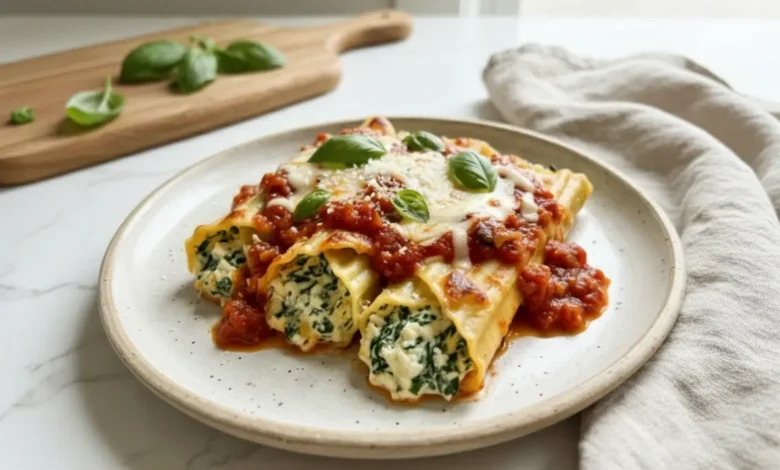
There are some meals that feel like a warm conversation at the dinner table. A dish that slows you down, fills your kitchen with rich aromas, and reminds you why cooking at home still matters. A well-made manicotti recipe does exactly that for you.
When you pull a bubbling tray of manicotti out of the oven, you’re not just serving pasta—you’re serving comfort, familiarity, and care. Whether you’re cooking for family, friends, or simply for yourself after a long day, manicotti has a way of making the moment feel special without being complicated.
This guide walks you through everything you need to know about preparing manicotti successfully. You’ll learn the ingredients, the method, useful tips, variations, and answers to common questions—so by the end, you feel confident, prepared, and genuinely excited to cook.
What Is Manicotti and Why You’ll Love This Recipe
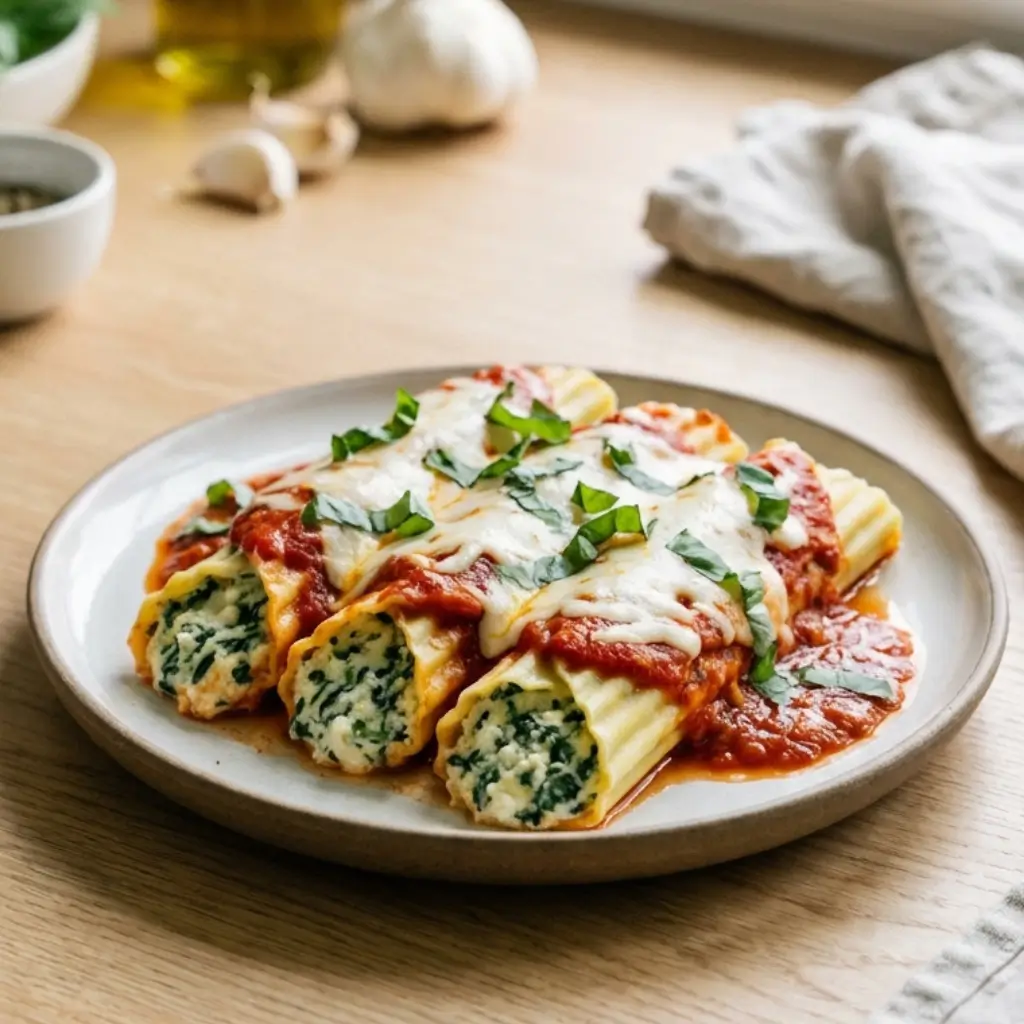
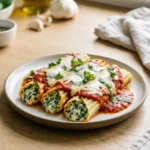
Manicotti is a traditional Italian-American baked pasta dish made with large tube-shaped pasta shells stuffed with a rich filling, usually cheese-based, then covered in sauce and baked until tender.
What makes a manicotti recipe so appealing for you is its balance:
- Hearty without being heavy
- Impressive without being stressful
- Flexible enough to match your taste
You can keep it classic, make it vegetarian, or turn it into a protein-packed dinner. Once you understand the structure, manicotti becomes one of those dishes you return to again and again.
Ingredients for a Classic Manicotti Recipe
Before you start cooking, having everything measured and ready makes the process smooth and enjoyable.
Manicotti Ingredients Table
| Ingredient | Quantity | Purpose |
|---|---|---|
| Manicotti pasta shells | 12–14 shells | Structure of the dish |
| Ricotta cheese | 2 cups | Creamy filling base |
| Mozzarella cheese (shredded) | 1½ cups | Melt and texture |
| Parmesan cheese (grated) | ½ cup | Depth of flavor |
| Egg | 1 large | Binding the filling |
| Marinara sauce | 2½–3 cups | Moisture and flavor |
| Garlic | 2–3 cloves (minced) | Aroma and taste |
| Olive oil | 1 tablespoon | Cooking base |
| Salt | To taste | Seasoning |
| Black pepper | To taste | Balance |
| Fresh basil or parsley | Optional | Fresh finish |
Tip for you: Use whole-milk cheeses if possible. They melt better and give you a richer result.
How to Make Manicotti Step by Step
Step 1: Prepare the Pasta Shells
- Bring a large pot of salted water to a gentle boil.
- Cook the manicotti shells until just al dente (usually 1–2 minutes less than package directions).
- Drain carefully and lay them flat on a clean kitchen towel.
Why this matters: Slightly undercooked shells won’t tear during stuffing and will finish cooking perfectly in the oven.
Step 2: Make the Cheese Filling
In a large bowl, combine:
- Ricotta cheese
- Shredded mozzarella
- Parmesan cheese
- Egg
- Salt and pepper
Mix gently until smooth but not overworked.
If you like extra flavor, you can add:
- Chopped fresh herbs
- A pinch of nutmeg
- Crushed garlic sautéed in olive oil
This filling should feel thick but spoonable.
Step 3: Stuff the Manicotti Shells
You have two easy options:
- Use a small spoon and fill from both ends
- Use a piping bag (or zip-top bag with the corner cut)
Fill each shell fully, but don’t force it. Gentle pressure keeps the pasta intact.
Step 4: Assemble the Dish
- Spread a thin layer of marinara sauce on the bottom of your baking dish.
- Arrange the stuffed manicotti in a single layer.
- Pour the remaining sauce evenly over the top.
- Sprinkle extra mozzarella or Parmesan if you like a cheesy finish.
Cover loosely with foil.
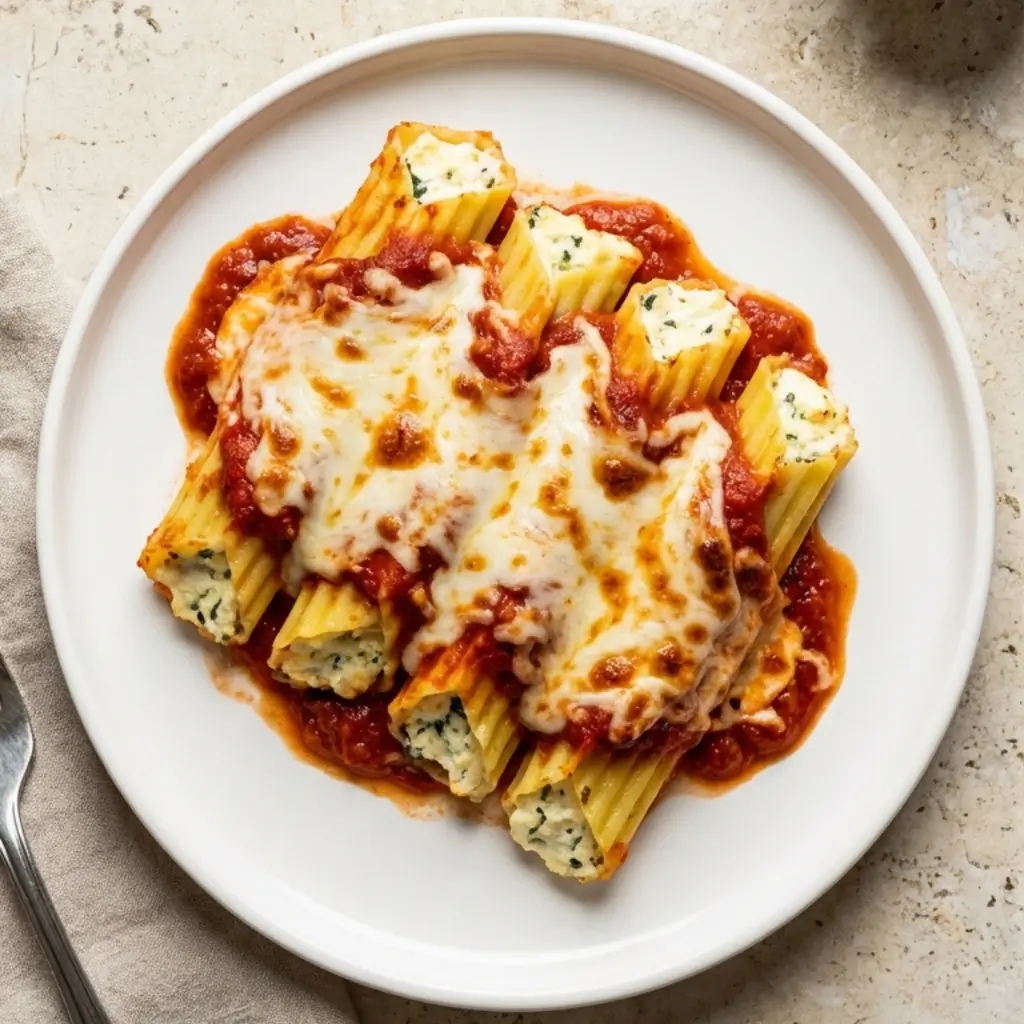
Step 5: Bake Until Perfect
- Bake at 375°F (190°C) for 25–30 minutes covered.
- Remove foil and bake another 10–15 minutes until bubbly and lightly golden.
Let it rest for 5–10 minutes before serving. This helps everything set neatly on your plate.
If you’re looking for another comforting dish to try, our Chicken Noodle Casserole Recipe is a great option for a hearty, family-friendly meal.
Why This Manicotti Recipe Works Every Time
You don’t need advanced cooking skills for manicotti, but you do need balance. This recipe succeeds because it focuses on:
- Moisture control: Enough sauce to keep pasta tender, not soggy
- Texture contrast: Creamy filling with baked edges
- Flavor layering: Cheese, sauce, and herbs working together
Once you understand these basics, you’ll feel comfortable adjusting the recipe without losing quality.
Popular Variations You Can Try
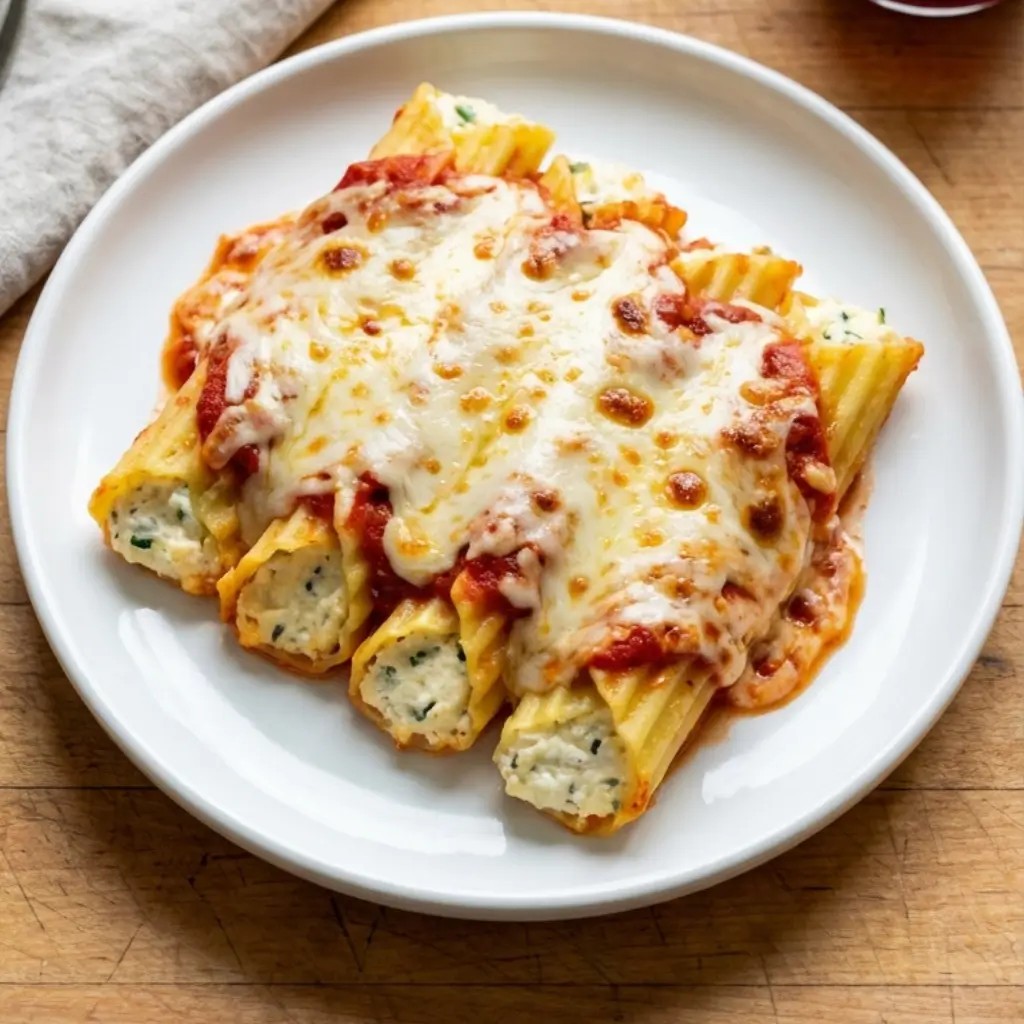
Vegetarian Manicotti Recipe
Add one of the following to your filling:
- Sautéed spinach
- Roasted zucchini
- Finely chopped mushrooms
Make sure vegetables are cooked and drained well before mixing.
If you’re a fan of flavorful pasta dishes, be sure to check out our delicious Pepper Steak Pasta Recipe for another hearty meal that’s sure to impress.
Meat-Lovers Manicotti
Stir cooked and seasoned:
- Ground beef
- Italian sausage
- Ground turkey
into the cheese mixture or layer it into the sauce.
Lighter Manicotti Option
If you prefer a lighter dish:
- Use part-skim ricotta
- Reduce mozzarella slightly
- Increase herbs and vegetables
You’ll still get flavor without heaviness.
Make-Ahead and Storage Tips
One reason you’ll love this manicotti recipe is how well it fits into your schedule.
Make Ahead
- Assemble the dish up to 24 hours in advance.
- Cover tightly and refrigerate.
- Bake when needed (add 5–10 minutes if cold).
Freezing Instructions
- Freeze unbaked manicotti for up to 3 months.
- Thaw overnight in the refrigerator.
- Bake as directed.
Leftovers
- Store cooked manicotti in an airtight container.
- Reheat gently in the oven or microwave with a splash of sauce.
Common Mistakes You’ll Want to Avoid
- Overcooking the pasta shells
- Skipping the bottom sauce layer
- Overstuffing the shells
- Using dry filling without enough moisture
Avoiding these ensures your manicotti stays tender and satisfying.
What to Serve With Manicotti
A complete meal doesn’t need much alongside manicotti. Simple sides work best.
Good options for you include:
- Crisp green salad
- Garlic bread or focaccia
- Roasted vegetables
- Light soup starter
The goal is balance, not competition.
Manicotti Recipe FAQs
Can you make manicotti without boiling the shells?
Some brands allow no-boil manicotti, but traditional shells give you more control and better texture.
Can you use cottage cheese instead of ricotta in a manicotti recipe?
Yes. Blend cottage cheese until smooth for a similar consistency.
How do you keep manicotti from drying out?
Use enough sauce, cover while baking, and let it rest before serving.
Is manicotti better the next day?
Many people find the flavors deepen overnight, making leftovers especially enjoyable.
How long does manicotti last in the fridge?
Up to 3–4 days when stored properly.
Why This Manicotti Recipe Is Worth Your Time
Cooking manicotti isn’t about rushing. It’s about slowing down just enough to enjoy the process. When you take the time to prepare it thoughtfully, the reward shows up in every bite.
This dish gives you:
- A reliable meal for guests
- A comforting family dinner
- A recipe you can customize endlessly
Once you’ve made it once, it stops feeling like a “special occasion” dish and becomes part of your regular rotation.
Final Thoughts and Your Next Step
Now that you understand this manicotti recipe from start to finish, the next move is simple: make it yours. Adjust the filling, try a variation, or stick with the classic—you really can’t go wrong.
If this guide helped you feel more confident in the kitchen, don’t stop here. Save it, share it, and try cooking it this week. Once you taste the result, you’ll understand why manicotti remains a favorite across generations.
If you’re new to making manicotti, you can find more tips and variations on this classic dish in this helpful guide to Italian pasta dishes.
Ready to cook? Preheat your oven, gather your ingredients, and turn tonight into something memorable.