
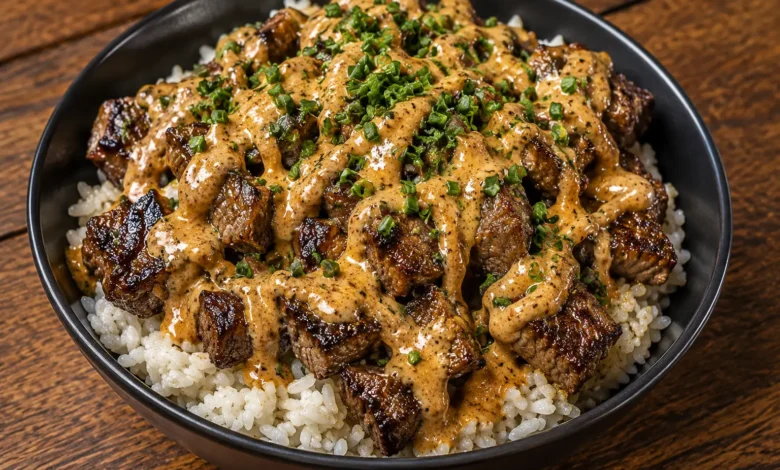
Some dinners are good because they’re easy. Others win you over because every bite has something going on—savory beef, warm rice, crunchy vegetables, a little sweetness, and just enough heat to keep you coming back for another forkful. These Korean Beef Bulgogi Bowls with Creamy Gochujang Sauce give you both.
You get thin slices of beef coated in a garlicky, sesame-rich marinade, quickly cooked until the edges start to caramelize. Then you pile that beef over fluffy rice, add crisp vegetables, and finish everything with a creamy gochujang sauce that’s spicy, tangy, slightly sweet, and incredibly satisfying.
It’s the kind of dinner that looks like you spent a lot of time putting it together, but most of the work is simple prep. Better yet, you can customize each bowl, which makes this recipe especially useful when everyone at your table likes something different.
What Are Korean Beef Bulgogi Bowls?
Bulgogi is one of Korea’s best-known beef dishes. At its core, it features thinly sliced beef that’s marinated with flavorful ingredients before cooking. Korean government culinary resources describe bulgogi as thinly sliced, marinated beef and show marinades containing ingredients such as soy sauce, sesame oil, brown sugar, garlic, and Korean pear.
For these Korean Beef Bulgogi Bowls with Creamy Gochujang Sauce, you take inspiration from those classic flavors and turn them into an easy rice bowl.
You start with marinated beef and serve it over rice with colorful vegetables. Then comes the creamy gochujang sauce, which adds another layer of richness and heat.
The result gives you several flavors and textures at once: tender beef, warm rice, cool cucumber, crunchy carrots, nutty sesame seeds, and a creamy sauce tying everything together.
Why You’ll Love These Korean Beef Bulgogi Bowls
There are plenty of reasons this recipe deserves a spot in your dinner rotation.
- Big flavor: You get sweet, salty, savory, garlicky, spicy, and nutty notes in one bowl.
- Easy to customize: Add the vegetables and toppings you already enjoy.
- Great for meal prep: You can prepare several of the components ahead.
- Weeknight friendly: Thin beef cooks quickly in a hot skillet.
- Easy to adjust: Make your gochujang sauce mild, medium, or fiery.
- Complete meal: You’ve got beef, rice, vegetables, and sauce all in one convenient bowl.
Ingredients for Korean Beef Bulgogi Bowls with Creamy Gochujang Sauce
This recipe makes approximately four generous bowls.
| Ingredient | Amount |
|---|---|
| Ribeye or sirloin steak, thinly sliced | 1 ½ lbs |
| Soy sauce | ⅓ cup |
| Brown sugar | 2 tbsp |
| Sesame oil | 1 tbsp |
| Rice vinegar | 1 tbsp |
| Garlic, minced | 4 cloves |
| Fresh ginger, grated | 1 tsp |
| Green onions, sliced | 3 |
| Black pepper | ½ tsp |
| Sesame seeds | 1 tsp |
| Neutral cooking oil | 1 tbsp |
Ingredients for Creamy Gochujang Sauce
| Ingredient | Amount |
|---|---|
| Mayonnaise | ½ cup |
| Gochujang | 2 tbsp |
| Honey | 1 tbsp |
| Rice vinegar | 2 tsp |
| Sesame oil | 1 tsp |
| Garlic, finely grated | 1 small clove |
| Water | 1–2 tbsp, as needed |
Ingredients for Assembling the Bowls
| Ingredient | Amount |
|---|---|
| Cooked white rice | 4 cups |
| Cucumber, thinly sliced | 1 |
| Carrots, shredded | 1 cup |
| Green onions, sliced | 2 |
| Sesame seeds | 1 tbsp |
| Kimchi | Optional |
| Avocado | Optional |
| Edamame | Optional |
What Is Gochujang?
If you’ve never cooked with gochujang, this recipe is a delicious place to start.
Gochujang is a fermented Korean red chili paste. Traditional versions combine ingredients such as chili powder, rice or glutinous rice, fermented soybean components, and salt before fermentation.
Its flavor isn’t simply hot. It brings together spice, sweetness, savoriness, and fermented depth.
That complexity is exactly why it works so well in a creamy sauce. Mayonnaise softens the intensity while honey adds sweetness and rice vinegar cuts through the richness.
Different brands can vary in heat, so taste yours before adding more.
How to Make Korean Beef Bulgogi Bowls with Creamy Gochujang Sauce
Step 1: Prepare the Bulgogi Marinade
In a large bowl, combine the soy sauce, brown sugar, sesame oil, rice vinegar, minced garlic, grated ginger, sliced green onions, black pepper, and sesame seeds.
Whisk everything until the sugar begins to dissolve.
Step 2: Marinate the Beef
Slice your beef as thinly as possible against the grain.
Add it to the marinade and toss until every piece is coated.
Cover the bowl and refrigerate for at least 30 minutes. If you’ve planned ahead, you can give the beef more time to absorb the flavors.
How to Slice Beef Thinly
One easy trick is to put your steak in the freezer briefly before slicing. You don’t want it completely frozen—just firm enough that your knife can make clean, thin slices.
Always use a sharp knife and cut against the grain for a more tender bite.
Step 3: Make the Creamy Gochujang Sauce
While your beef marinates, prepare your sauce.
Combine mayonnaise, gochujang, honey, rice vinegar, sesame oil, and garlic in a small bowl.
Whisk until completely smooth.
If the sauce is thicker than you’d like, add water about a teaspoon at a time until it reaches a drizzle-friendly consistency.
Taste it.
Want more heat? Add a little more gochujang.
Want something milder? Add extra mayonnaise or reduce the amount of gochujang you use.
Step 4: Cook the Bulgogi Beef
Heat a large skillet over medium-high to high heat. Add the cooking oil.
Remove the beef from the marinade, allowing excessive liquid to drip away, and add it to your hot skillet.
Don’t dump all the beef into a small skillet at once.
Cooking in batches gives moisture room to evaporate and helps the meat develop those delicious browned edges instead of simply steaming.
Cook until the beef is browned and cooked through.
For food safety, USDA guidance recommends whole beef steaks reach at least 145°F followed by a three-minute rest. Ground beef should reach 160°F. Use a food thermometer rather than relying only on appearance.
Step 5: Prepare Your Rice and Vegetables
While your beef cooks, get the rest of your bowl ready.
Cook your preferred rice and slice your cucumber, carrots, and green onions.
You don’t need to cook every vegetable. Keeping cucumber and carrots fresh gives your bowl a welcome crunch that contrasts nicely with the warm beef and rice.
Step 6: Assemble Your Bulgogi Bowls
Now comes the best part.
Divide your warm rice between four bowls.
Top each serving with:
- Bulgogi beef
- Sliced cucumber
- Shredded carrots
- Green onions
- Creamy gochujang sauce
- Sesame seeds
Add kimchi, avocado, edamame, or your other favorite toppings if desired.
Serve immediately while the beef and rice are warm.
How to Make the Best Creamy Gochujang Sauce
Your sauce can completely change the personality of this bowl.
If you love spicy food, increase the gochujang slightly. You can also add Korean chili flakes for additional heat.
If you’re serving someone who doesn’t enjoy much spice, start with less gochujang and increase the mayonnaise.
The goal isn’t necessarily to make the sauce extremely hot. You want enough spice to complement the sweet-savory beef without hiding its flavor.
Fixing Sauce That’s Too Thick
Gochujang and mayonnaise can create a fairly thick sauce. Add a teaspoon of water at a time and whisk.
Stop when you can easily drizzle it over your bowl.
Avoid adding a large amount of water at once because you can quickly turn a creamy sauce into a thin dressing.
What’s the Best Beef for Bulgogi?
Ribeye is a fantastic option because its marbling gives you tender, flavorful pieces of beef.
Sirloin is another convenient choice and is often easier on your grocery budget.
You can also experiment with strip steak or another tender cut that can be sliced very thinly.
The thickness matters almost as much as the cut. Bulgogi is known for thinly sliced beef, which helps the meat cook quickly and gives the marinade plenty of surface area.
Can You Use Ground Beef?
Yes, especially when convenience matters.
However, ground beef creates more of a bulgogi-inspired Korean beef bowl rather than the same texture you’d get from traditional thinly sliced bulgogi.
Brown the ground beef, drain excess fat if needed, and add your seasonings and sauce.
If using ground beef, cook it to 160°F according to USDA food-safety guidance.
Best Rice for Korean Beef Bulgogi Bowls
White rice is an easy choice because its mild flavor lets your beef and gochujang sauce stand out.
You can also use:
- Short-grain rice
- Jasmine rice
- Brown rice
- Cauliflower rice
If you want the bowl to feel extra hearty, add a little more rice. If you prefer vegetables to take center stage, reduce your rice and add extra cucumber, cabbage, carrots, or edamame.
Best Toppings for Your Bulgogi Bowl
Here’s where you can make this dinner your own.
Try adding:
- Sliced cucumber
- Shredded carrots
- Avocado
- Edamame
- Sautéed mushrooms
- Shredded cabbage
- Spinach
- Radishes
- Kimchi
- Sesame seeds
- Green onions
You don’t need all of them.
Choose two or three vegetables with different textures and you’ll already have an interesting bowl.
Tips for Perfect Korean Beef Bulgogi Bowls
A few small details can make a noticeable difference.
Slice your beef thinly. Thick chunks won’t give you quite the same quick-cooked texture.
Use a hot skillet. You want the beef to hit a properly heated surface so it starts browning quickly.
Don’t overcrowd your pan. Cook in batches when necessary.
Prepare the sauce early. Having your creamy gochujang sauce ready means you can assemble the bowls as soon as the beef finishes cooking.
Keep cold toppings separate. Cucumber, avocado, and similar toppings are best added just before serving.
Taste before serving. Gochujang varies in intensity, so adjust your sauce to suit your preference.
Common Mistakes to Avoid
Overcrowding Your Skillet
When too much beef enters the skillet at once, the pan temperature drops and moisture builds up.
Give the beef some space and you’ll have a better chance of creating browned, flavorful edges.
Adding Too Much Marinade to the Pan
Your beef should be coated in marinade, but you don’t necessarily need to pour all the leftover liquid into the skillet.
Too much liquid can interfere with browning.
Making Your Sauce Too Spicy
You can always add more gochujang.
Taking it out is much harder.
Start conservatively, taste, and adjust.
Easy Bulgogi Bowl Variations
Chicken Bulgogi-Inspired Bowls
Swap the beef for thinly sliced chicken.
Make sure poultry reaches 165°F internally before serving.
Extra-Spicy Bulgogi Bowls
Increase your gochujang and add Korean chili flakes.
Veggie-Loaded Bowls
Double up on vegetables such as cabbage, carrots, zucchini, mushrooms, spinach, and edamame.
Lower-Carb Option
Replace the rice with cauliflower rice or use shredded cabbage as the base.
What to Serve with Korean Beef Bulgogi Bowls
Your bowl can easily stand alone as dinner, but simple side dishes can round out the meal.
Try serving yours with:
- Kimchi
- Korean cucumber salad
- Steamed edamame
- Pickled vegetables
- Seaweed salad
- Sautéed greens
Because the beef and sauce are already rich and flavorful, fresh or tangy sides work especially well.
Meal Prep Korean Beef Bulgogi Bowls
These bowls are convenient for meal prep because you can prepare the components separately.
Cook your beef and rice, chop the vegetables, and mix the sauce.
Store your fresh vegetables and creamy sauce separately from the ingredients you’ll reheat. That way, you don’t end up microwaving cucumber or mayonnaise-based sauce along with your beef.
Meal Prep Storage Guide
| Component | Best Storage Method |
|---|---|
| Cooked bulgogi beef | Airtight refrigerated container |
| Cooked rice | Airtight refrigerated container |
| Creamy gochujang sauce | Separate sealed container |
| Fresh vegetables | Separate refrigerated container |
| Sesame seeds | Small container until serving |
USDA recommends refrigerating leftovers promptly, keeping the refrigerator at 40°F or below, and generally using cooked leftovers within 3 to 4 days.
How to Reheat Leftover Bulgogi Bowls
For the best texture, reheat only your rice and beef.
You can warm them in the microwave or heat the beef briefly in a skillet.
Then add your refrigerated vegetables and creamy gochujang sauce after reheating.
For food safety, USDA recommends reheating leftovers to 165°F.
FAQ About Korean Beef Bulgogi Bowls with Creamy Gochujang Sauce
What are Korean Beef Bulgogi Bowls with Creamy Gochujang Sauce?
They’re rice bowls topped with marinated, thinly sliced beef, vegetables, sesame garnishes, and a creamy sauce made with gochujang. This version combines bulgogi-inspired flavors with an easy customizable bowl format.
What does bulgogi taste like?
Bulgogi generally has a savory and slightly sweet flavor with noticeable garlic, soy, and sesame notes. The thinly sliced beef absorbs the marinade and cooks quickly for a tender, flavorful result.
Is gochujang very spicy?
Gochujang does have heat, but its flavor is more complex than straightforward chili heat. It also brings savory, fermented and slightly sweet qualities.
You can easily control the spice level of this creamy sauce by changing the ratio of gochujang to mayonnaise.
What cut of beef is best for bulgogi?
Ribeye is an excellent choice because it’s tender and well marbled. Sirloin also works well and can be a more affordable option.
Whichever cut you choose, slice it thinly against the grain.
Can you make Korean Beef Bulgogi Bowls ahead of time?
Yes. Prepare the rice, beef, sauce, and vegetables ahead, but keep the components separate. Reheat the beef and rice before adding your cold vegetables and sauce.
Can you make creamy gochujang sauce less spicy?
Absolutely. Reduce the amount of gochujang and increase the mayonnaise. A little extra honey can balance the heat and acidity as well.
Can you cook bulgogi without a grill?
Yes. A large skillet works beautifully.
Use relatively high heat and cook your beef in small batches so you can develop browned edges.
What vegetables go well with Korean beef bowls?
Cucumber, carrots, cabbage, spinach, mushrooms, radishes, avocado, and edamame all work well. Combining crisp and cooked vegetables gives your bowl more texture.
Conclusion
When you’re tired of dinners that feel predictable, Korean Beef Bulgogi Bowls with Creamy Gochujang Sauce give you an easy way to bring bold flavors to your table.
You get tender marinated beef, fluffy rice, crunchy vegetables, nutty sesame, and that irresistible creamy gochujang sauce in every bowl. You can keep yours simple or load it with kimchi, avocado, edamame, mushrooms, and extra vegetables.
Best of all, you can adjust almost everything to your taste. Make the sauce hotter, add more vegetables, swap your rice, or prepare the components ahead for quick lunches during the week.
Make these Korean Beef Bulgogi Bowls with Creamy Gochujang Sauce for your next weeknight dinner, then come back and leave a comment or rating and tell us which toppings you added to your bowl. Save the recipe and share it with someone who loves Korean-inspired dinners—you may have just found a new favorite.
Korean Beef Bulgogi Bowls with Creamy Gochujang Sauce



 Want an easier way to get my recipes? ❤️