
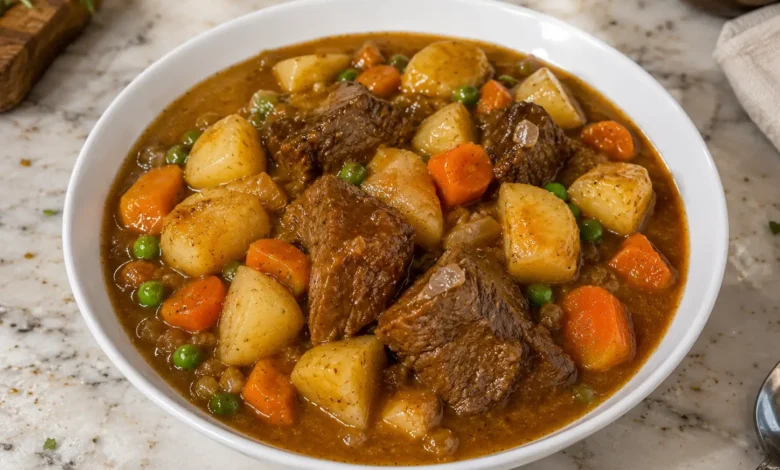
There’s a reason Classic Slow Cooker Beef Stew has remained one of the most beloved comfort foods for generations. Imagine coming home after a long day to the rich aroma of tender beef, hearty vegetables, and savory herbs filling your kitchen. It’s the kind of meal that instantly makes your home feel warm and inviting, bringing everyone together around the dinner table.
If you’ve ever wished for a recipe that’s both effortless and incredibly satisfying, you’re in the right place. This Classic Slow Cooker Beef Stew delivers melt-in-your-mouth beef, perfectly cooked vegetables, and a thick, flavorful broth that tastes like it simmered all day—because it did. With just a few minutes of preparation, your slow cooker does the hard work while you enjoy your day.
Whether you’re preparing dinner for your family, meal prepping for the week, or looking for a cozy weekend recipe, this timeless beef stew is guaranteed to become one of your favorites.
Why You’ll Love This Classic Slow Cooker Beef Stew
There are countless beef stew recipes available, but this one stands out because it combines simple ingredients with the slow-cooking process to create extraordinary flavor.
Here’s why you’ll love making it:
- Minimal hands-on preparation
- Rich, deeply developed flavor
- Tender beef that falls apart with a fork
- One-pot convenience
- Budget-friendly ingredients
- Perfect for meal prep
- Freezes beautifully
- Family-approved comfort food
Every bite is packed with hearty vegetables, savory broth, and juicy beef that has absorbed hours of delicious flavor.
What Makes Classic Slow Cooker Beef Stew So Delicious?
The secret isn’t expensive ingredients—it’s patience.
The Magic of Slow Cooking
Slow cooking transforms inexpensive cuts of beef into incredibly tender bites. As the meat cooks at a low temperature for several hours, the connective tissues gradually break down into gelatin. This natural process creates juicy, fork-tender beef while giving the broth its rich, silky texture.
Unlike quick stovetop recipes, slow cooking allows every ingredient to absorb the surrounding flavors. Potatoes become creamy without falling apart, carrots soften while maintaining their sweetness, and herbs slowly infuse the broth.
The result is a stew that tastes like it has been perfected over generations.
A Recipe That Never Goes Out of Style
Classic beef stew has remained popular because it checks every box:
- Affordable
- Filling
- Nutritious
- Easy to prepare
- Great for leftovers
- Perfect for cold weather
- Comforting year-round
Whether you’re serving it on a snowy evening or enjoying leftovers during a busy workweek, this recipe always delivers.
Ingredients You’ll Need for Classic Slow Cooker Beef Stew
One of the best things about this recipe is that it uses everyday ingredients you can find in nearly every grocery store.
Ingredients Table
| Ingredient | Amount | Purpose |
|---|---|---|
| Beef chuck roast or stew meat | 2–2½ pounds | Tender, flavorful protein |
| Baby potatoes or Yukon Gold potatoes | 1½ pounds | Hearty texture |
| Carrots | 4–5 medium | Natural sweetness |
| Onion | 1 large | Flavor base |
| Garlic cloves | 3–4 | Adds depth |
| Beef broth | 4 cups | Rich cooking liquid |
| Tomato paste | 6 ounces | Intensifies flavor |
| Worcestershire sauce | 2 tablespoons | Umami richness |
| Dried thyme | 1 teaspoon | Earthy herb flavor |
| Dried rosemary | 1 teaspoon | Aromatic seasoning |
| Bay leaves | 2 | Adds complexity |
| All-purpose flour | ¼ cup | Thickens the gravy |
| Olive oil | 2 tablespoons | Browning beef |
| Frozen peas | 1 cup | Fresh finish |
| Salt and pepper | To taste | Final seasoning |
| Fresh parsley | Optional | Garnish |
Choosing the Best Beef for Beef Stew
The cut of beef you select has a huge impact on the final result.
Why Chuck Roast Is the Best Choice
Chuck roast is considered the gold standard for beef stew because it contains enough marbling and connective tissue to become incredibly tender after hours of slow cooking.
Instead of drying out, the meat gradually softens while enriching the broth with natural flavor.
Benefits of chuck roast include:
- Affordable
- Easy to find
- Rich beef flavor
- Perfect texture after slow cooking
Other Good Beef Options
If chuck roast isn’t available, you can also use:
- Bottom round roast
- Brisket
- Boneless short ribs
- Pre-cut stew meat
Avoid very lean cuts like sirloin, as they tend to become dry during long cooking times.
The Best Vegetables for Beef Stew
Classic vegetables give this stew its signature texture and comforting taste.
Popular choices include:
- Yukon Gold potatoes
- Baby potatoes
- Carrots
- Celery
- Mushrooms
- Frozen peas
- Parsnips
These vegetables hold their shape well during slow cooking while adding natural sweetness and nutrition.
Kitchen Equipment You’ll Need
Fortunately, this recipe doesn’t require any fancy tools.
Equipment Checklist
- 6–8 quart slow cooker
- Large skillet
- Sharp chef’s knife
- Cutting board
- Measuring cups
- Measuring spoons
- Wooden spoon
- Mixing bowl
Having everything ready before you begin makes preparation quick and stress-free.
How to Make Classic Slow Cooker Beef Stew
Making this hearty stew couldn’t be easier. A little preparation at the beginning leads to hours of rich, comforting flavor.
Step 1: Prepare Your Ingredients
Begin by washing and chopping all your vegetables.
- Quarter the potatoes.
- Slice the carrots.
- Chop the onion.
- Mince the garlic.
Next, trim any large pieces of fat from the chuck roast before cutting it into 1½-inch cubes.
Pat the beef dry with paper towels. Removing excess moisture helps it brown better.
Step 2: Brown the Beef
Although this step is optional, it’s one you shouldn’t skip if you want restaurant-quality flavor.
Heat olive oil in a large skillet over medium-high heat.
Season the beef generously with salt and pepper, then brown it in batches.
Each side should develop a deep golden crust before turning.
This caramelization creates layers of flavor that simply can’t be achieved by placing raw beef directly into the slow cooker.
Once browned, transfer the beef to the slow cooker.
Why Browning Makes Such a Difference
Many people wonder whether browning the meat is worth the extra effort.
The answer is absolutely yes.
Browning:
- Develops rich flavor
- Creates deeper color
- Adds complexity to the broth
- Improves overall texture
Even spending just five extra minutes on this step dramatically improves the finished stew.
Step 3: Layer the Ingredients
Now it’s time to assemble everything.
Add the vegetables first:
- Potatoes
- Carrots
- Onion
- Garlic
Place the browned beef on top.
In a bowl, whisk together:
- Beef broth
- Tomato paste
- Worcestershire sauce
- Thyme
- Rosemary
Pour the mixture evenly over the meat and vegetables.
Finally, add the bay leaves.
Everything should be mostly submerged in the liquid.
Step 4: Let the Slow Cooker Do the Work
Cover the slow cooker with the lid and choose your cooking setting.
Low Setting
Cook for 7 to 8 hours.
This is the recommended method because it allows the beef to become incredibly tender while maximizing flavor development.
High Setting
If you’re short on time, cook for 3 to 4 hours.
Although still delicious, the low setting generally produces the most tender results.
During cooking, avoid lifting the lid too often.
Each time you remove the lid, valuable heat escapes and cooking time increases.
Step 5: Thicken the Gravy
About 30 minutes before serving, it’s time to create the rich, velvety gravy that makes this stew unforgettable.
Mix the flour with a small amount of cold water until smooth.
Slowly stir the slurry into the hot stew.
Replace the lid and continue cooking for another 20–30 minutes.
The broth will gradually transform into a thick, silky gravy that coats every bite.
If you prefer a gluten-free version, simply substitute cornstarch for the flour using the same method.
Step 6: Add the Peas and Finish
Frozen peas cook very quickly, so they should be added near the end.
Stir them into the stew during the last 10 minutes of cooking.
Taste the broth and adjust the seasoning with additional salt and black pepper if needed.
Remove the bay leaves before serving.
Finish each bowl with freshly chopped parsley for a bright pop of color and fresh flavor.
The result is a steaming bowl of Classic Slow Cooker Beef Stew featuring tender chunks of beef, perfectly cooked vegetables, and a rich, savory gravy that’s perfect for soaking up with warm crusty bread.
Pro Tips for the Best Classic Slow Cooker Beef Stew
While this recipe is wonderfully simple, a few expert techniques can elevate it from good to unforgettable.
Brown the Beef First
It may add a few extra minutes to your prep time, but browning the beef develops a rich, caramelized crust that adds incredible depth to the finished stew. This extra layer of flavor is well worth the effort.
Use Low-Sodium Beef Broth
Starting with low-sodium broth gives you more control over the seasoning. You can always add more salt at the end, but it’s difficult to fix an overly salty stew.
Don’t Add Too Much Liquid
Unlike stovetop cooking, slow cookers trap moisture. The vegetables naturally release water as they cook, so you don’t need as much liquid as you might think. Stick to the recipe measurements for the perfect consistency.
Keep the Lid Closed
Every time you lift the lid, heat escapes and can extend the cooking time by 20 to 30 minutes. Resist the temptation to peek until the stew is nearly finished.
Taste Before Serving
Flavors continue to develop throughout the cooking process. Before serving, taste the broth and adjust the seasoning with additional salt, pepper, or a splash of Worcestershire sauce if needed.
Common Mistakes to Avoid
Even an easy recipe like Classic Slow Cooker Beef Stew can go wrong if you overlook a few key details.
Using Lean Beef
Lean cuts such as sirloin tend to dry out during long cooking times. Choose well-marbled cuts like chuck roast for the most tender results.
Skipping the Browning Step
Although optional, browning the beef creates a richer, more complex flavor that makes a noticeable difference.
Cutting Vegetables Too Small
Small vegetable pieces can become mushy after several hours of cooking. Keep potatoes and carrots in larger chunks so they hold their shape.
Adding Delicate Vegetables Too Early
Frozen peas, spinach, or fresh herbs should be added near the end of cooking to preserve their color and texture.
Over-Thickening the Stew
Start with a small amount of flour or cornstarch slurry. You can always add more if needed, but it’s much harder to thin an overly thick stew.
Delicious Variations of Classic Slow Cooker Beef Stew
Once you’ve mastered the classic recipe, try one of these flavorful twists.
Red Wine Beef Stew
Replace one cup of beef broth with dry red wine for a richer, more sophisticated flavor.
Mushroom Beef Stew
Add sliced cremini or baby bella mushrooms for an earthy, savory addition.
Guinness Beef Stew
Substitute part of the broth with Guinness stout for a bold, hearty stew with deep flavor.
Gluten-Free Version
Replace the flour with cornstarch or arrowroot powder, and double-check that your Worcestershire sauce is gluten-free.
Low-Carb Beef Stew
Swap the potatoes for turnips, cauliflower florets, or radishes to reduce the carbohydrate content while keeping the stew hearty.
Vegetable-Packed Version
Boost the nutrition by adding:
- Green beans
- Celery
- Parsnips
- Sweet potatoes
- Butternut squash
- Pearl onions
What to Serve with Classic Slow Cooker Beef Stew
This hearty stew is satisfying on its own, but pairing it with the right side dish makes the meal even better.
Some delicious serving ideas include:
- Warm crusty artisan bread
- Homemade garlic bread
- Soft dinner rolls
- Flaky buttermilk biscuits
- Creamy mashed potatoes
- Buttered egg noodles
- Steamed white rice
- Roasted Brussels sprouts
- Fresh garden salad
- Cornbread
For an extra-special presentation, garnish each bowl with chopped parsley and freshly cracked black pepper.
Storage and Reheating Tips
One of the best things about Classic Slow Cooker Beef Stew is that it tastes even better the next day.
Refrigerator
Allow the stew to cool completely before transferring it to airtight containers.
It will stay fresh for up to 4 days in the refrigerator.
Freezer
Beef stew freezes exceptionally well.
Store in freezer-safe containers or freezer bags for up to 3 months.
For best results, thaw overnight in the refrigerator before reheating.
Reheating Methods
Stovetop
Heat over medium-low heat, stirring occasionally until warmed through.
Microwave
Warm individual portions in 1-minute intervals, stirring between each interval.
Slow Cooker
Place refrigerated stew back into the slow cooker on LOW for about 1 to 2 hours until heated through.
Meal Prep Tips
If you enjoy planning meals ahead of time, this recipe is an excellent choice.
Easy Meal Prep Ideas
- Chop vegetables the night before.
- Cube and season the beef in advance.
- Assemble all ingredients in a freezer bag for a dump-and-go meal.
- Double the recipe and freeze half.
- Portion leftovers into individual containers for easy lunches.
Having homemade meals ready to go can save both time and money during busy weeks.
Approximate Nutrition Information
The nutritional values below are estimates and may vary depending on the ingredients you use.
| Nutrient | Approximate Amount (Per Serving) |
|---|---|
| Calories | 420 |
| Protein | 34 g |
| Fat | 18 g |
| Saturated Fat | 6 g |
| Carbohydrates | 28 g |
| Fiber | 5 g |
| Sugar | 6 g |
| Sodium | 720 mg |
Frequently Asked Questions About Classic Slow Cooker Beef Stew
What is the secret to making Classic Slow Cooker Beef Stew tender?
The secret is using a well-marbled cut like chuck roast and cooking it slowly on LOW for several hours. This allows the connective tissue to break down naturally, creating incredibly tender beef.
Can you put raw beef directly into Classic Slow Cooker Beef Stew?
Yes, you can. However, browning the beef first creates deeper flavor and a richer broth, making the finished stew much more satisfying.
Why is my Classic Slow Cooker Beef Stew watery?
Slow cookers retain moisture very well, so adding too much broth can lead to a thin stew. You can easily thicken it with a flour or cornstarch slurry during the last 30 minutes of cooking.
Can I make Classic Slow Cooker Beef Stew without browning the beef?
Absolutely. The recipe will still turn out delicious, but browning adds extra richness and complexity that many home cooks prefer.
What potatoes work best for Classic Slow Cooker Beef Stew?
Baby potatoes and Yukon Gold potatoes are excellent choices because they hold their shape while becoming creamy and tender during slow cooking.
How long should Classic Slow Cooker Beef Stew cook on LOW?
For the best texture, cook the stew on LOW for 7 to 8 hours. This gives the beef plenty of time to become fork-tender.
Can I freeze Classic Slow Cooker Beef Stew?
Yes. Once completely cooled, transfer the stew to freezer-safe containers and freeze for up to three months.
How do I make Classic Slow Cooker Beef Stew thicker?
Mix flour or cornstarch with cold water to create a smooth slurry, then stir it into the stew during the final 30 minutes of cooking.
What vegetables can I add to Classic Slow Cooker Beef Stew?
In addition to potatoes, carrots, onions, and peas, you can add:
- Mushrooms
- Celery
- Parsnips
- Green beans
- Butternut squash
- Sweet potatoes
These vegetables complement the rich beef flavor beautifully.
Is Classic Slow Cooker Beef Stew better the next day?
Yes. As the stew rests overnight, the flavors continue to blend, making leftovers even more flavorful than the day it was cooked.
Expert Tips for Restaurant-Quality Beef Stew
If you want your homemade stew to taste like it came from a cozy restaurant kitchen, keep these professional techniques in mind:
- Brown the beef thoroughly before slow cooking.
- Use tomato paste for extra richness.
- Add Worcestershire sauce to enhance the savory flavor.
- Cook on LOW whenever possible.
- Use fresh parsley as a garnish for brightness.
- Let the stew rest for 10 to 15 minutes before serving to allow the flavors to settle.
- Serve with warm bread to soak up every bit of the rich gravy.
These small touches make a noticeable difference in the final dish.
Final Thoughts on Classic Slow Cooker Beef Stew
Few meals capture the feeling of home quite like Classic Slow Cooker Beef Stew. With its tender chunks of beef, perfectly cooked vegetables, and rich, savory gravy, it’s a recipe you’ll find yourself returning to again and again.
The beauty of this dish lies in its simplicity. A handful of everyday ingredients, a little preparation, and several hours of slow cooking come together to create a meal that’s comforting, satisfying, and full of flavor. Whether you’re feeding a hungry family, stocking your freezer with homemade meals, or simply craving something warm on a chilly evening, this recipe is sure to deliver.
Don’t be afraid to make it your own. Add your favorite vegetables, experiment with fresh herbs, or try one of the delicious variations to create a stew that perfectly suits your taste.
If you enjoyed this Classic Slow Cooker Beef Stew recipe, we’d love to hear from you! Leave a comment below to share your experience, rate the recipe, and let us know what personal touches you added. If this recipe brought comfort to your table, share it with your friends and family on social media so they can enjoy a cozy bowl of homemade beef stew too.
Classic Slow Cooker Beef Stew Recipe Card






 Want an easier way to get my recipes? ❤️