Best Chili Seasoning Recipe (Easy & Homemade)
Have you ever made a big pot of chili that looked rich and hearty, only to taste it and feel… disappointed?
You browned the meat perfectly. You added tomatoes, beans, maybe even let it simmer for an hour. But the flavor felt flat. One-dimensional. Forgettable.
If that sounds familiar, your issue probably wasn’t the cooking method. It was the seasoning.
A great chili seasoning recipe is the backbone of bold, comforting chili. It builds layers: smoky depth, gentle heat, subtle sweetness, and that savory richness that makes every spoonful satisfying. When you make your own homemade chili seasoning, you control the balance. You decide how spicy, how smoky, how salty.
In this guide, you’ll learn exactly how to create the best chili seasoning recipe from scratch, how to use it properly, how to store it, and how to customize it to fit your taste.
What Is a Chili Seasoning Recipe?
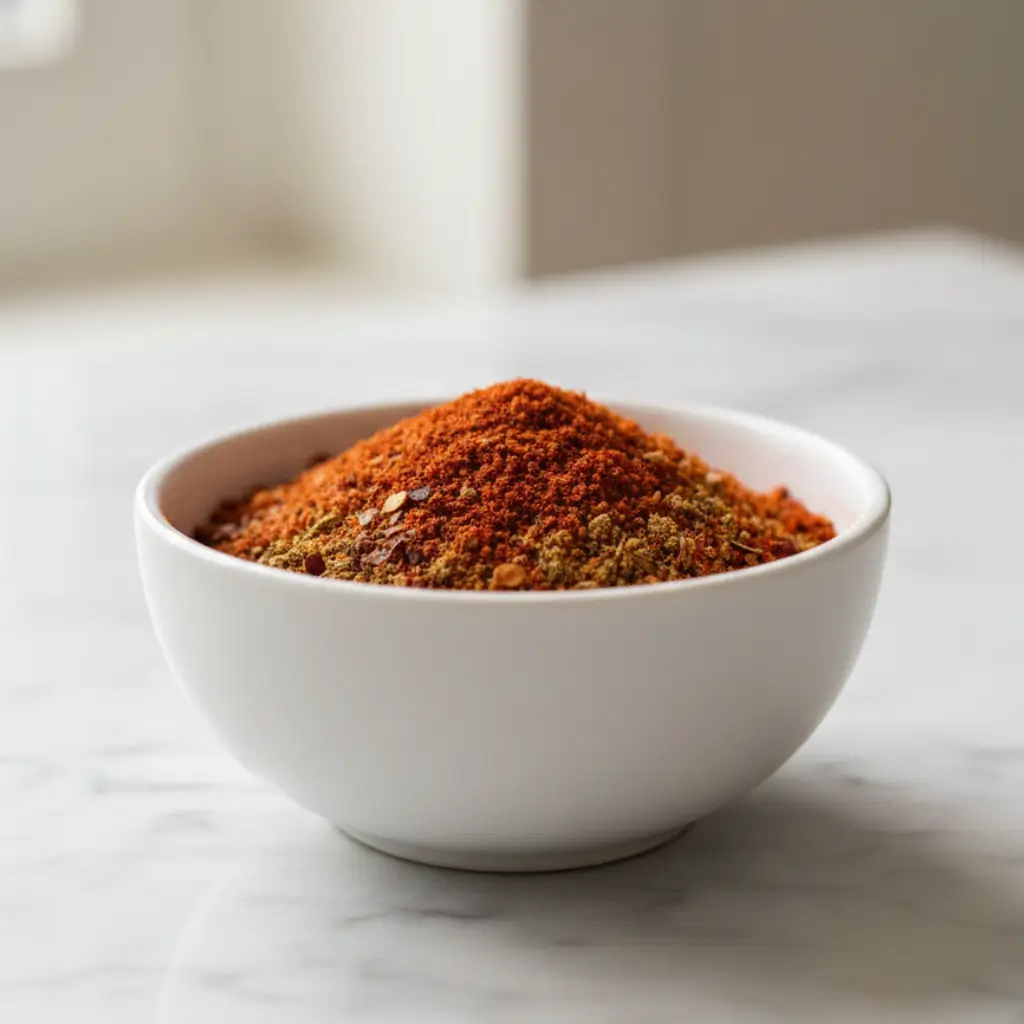
At its core, a chili seasoning recipe is a blend of dried spices designed specifically to flavor chili. It’s more complex than simple chili powder.
Many people confuse chili powder with chili seasoning. They are not the same.
- Chili powder is usually a single blend centered around dried ground chilies.
- Chili seasoning includes chili powder plus complementary spices like cumin, garlic powder, oregano, paprika, and more.
When you use a full chili spice mix, you get:
- Smoky undertones
- Earthy warmth
- Savory depth
- Controlled heat
- Balanced salt
That’s why homemade chili tastes dramatically better when you use a proper seasoning blend instead of guessing measurements each time.
Why You Should Make Your Own Chili Seasoning Recipe
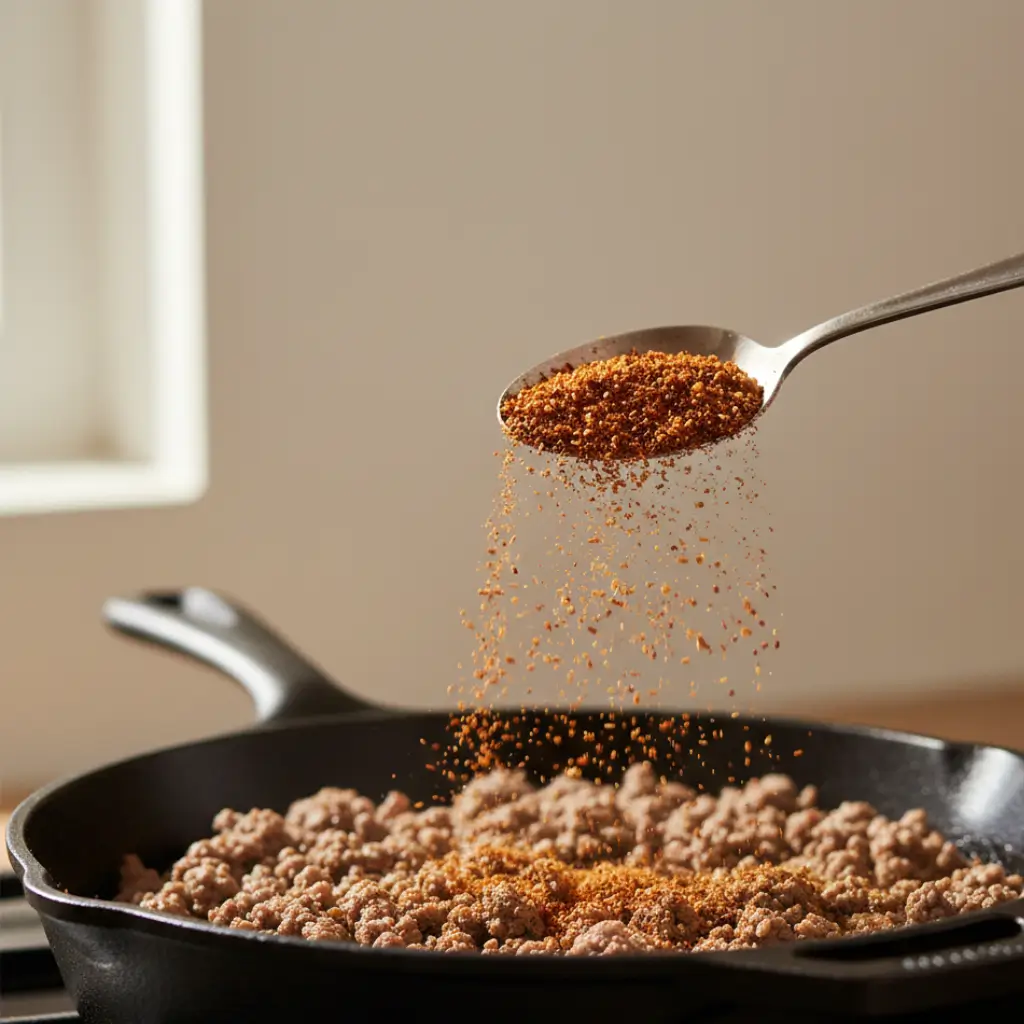
You can buy chili seasoning packets at any grocery store. So why bother making your own?
Because when you do, you gain control.
1. You Control the Heat
Store-bought blends are often inconsistent. Some are too mild. Others are overwhelmingly salty. With your own chili seasoning recipe, you can adjust the cayenne or chipotle powder to match your spice tolerance.
2. You Reduce Sodium
Many commercial packets contain high sodium levels. When you mix your own spices, you decide how much salt goes in—or whether to skip it entirely.
3. You Avoid Additives
Anti-caking agents, preservatives, and artificial flavors are common in packaged blends. A homemade chili seasoning contains only real spices.
4. You Save Money
Buying spices in bulk and mixing them yourself costs less per serving than single-use seasoning packets.
5. You Get Fresher Flavor
Spices lose potency over time. When you build your own blend using fresh ingredients, the difference in aroma and taste is noticeable.
Essential Ingredients for the Best Chili Seasoning Recipe
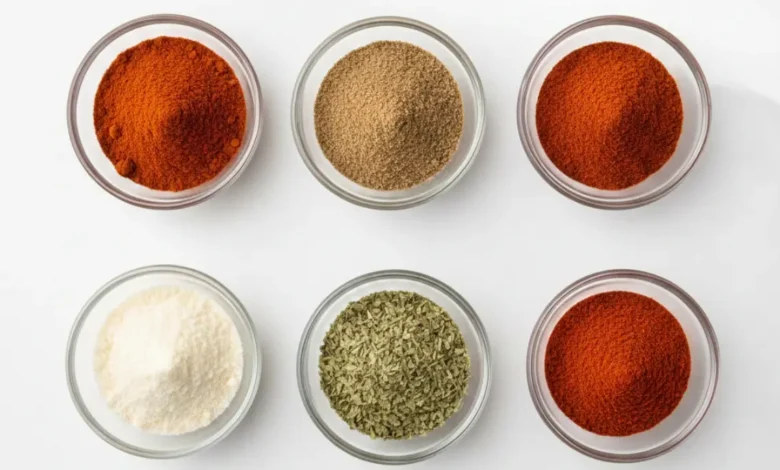
A well-balanced chili seasoning recipe uses a mix of warmth, heat, and aromatic spices. Here’s the core blend you can rely on.
Classic Chili Seasoning Blend
| Ingredient | Amount | Flavor Role | Optional Substitute |
|---|---|---|---|
| Chili Powder | 2 tbsp | Base flavor & mild heat | Ancho powder |
| Ground Cumin | 1 tbsp | Earthy depth | Ground coriander |
| Smoked Paprika | 1 tbsp | Smoky richness | Sweet paprika |
| Garlic Powder | 1 tsp | Savory backbone | Granulated garlic |
| Onion Powder | 1 tsp | Mild sweetness | Dried minced onion |
| Dried Oregano | 1 tsp | Herbal brightness | Mexican oregano |
| Salt | 1 tsp | Enhances flavor | Sea salt |
| Black Pepper | ½ tsp | Gentle heat | White pepper |
| Cayenne Pepper | ¼ tsp | Extra spice | Red pepper flakes |
This recipe makes enough seasoning for about 2–3 large pots of chili.
Optional Flavor Boosters
If you want to take your chili seasoning recipe further, try adding:
- ½ tsp cocoa powder (deepens flavor subtly)
- ½ tsp brown sugar (balances acidity)
- ½ tsp chipotle powder (adds smoky heat)
- ¼ tsp crushed red pepper flakes (extra texture)
These additions are optional—but they create complexity that feels restaurant-quality.
How to Make Chili Seasoning Recipe (Step-by-Step)
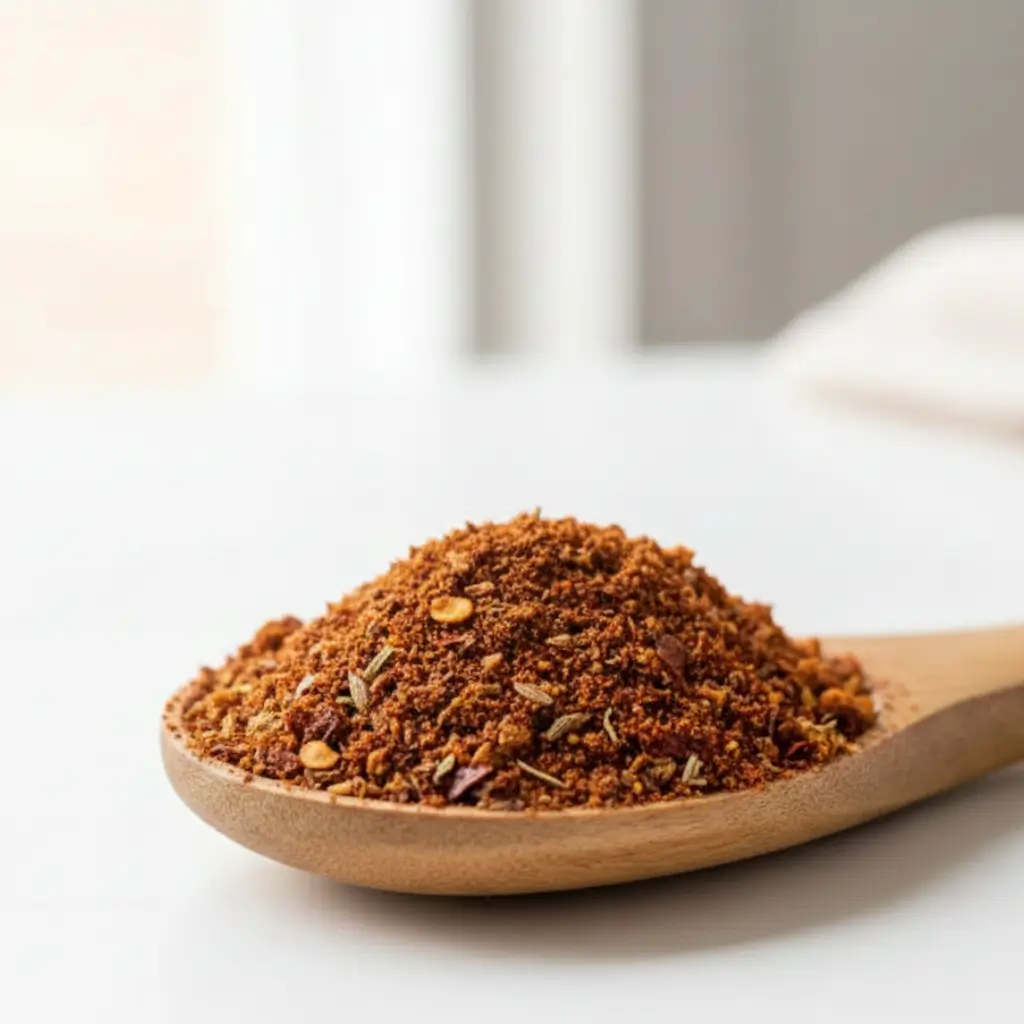
The process is simple. You can make this in under five minutes.
Step 1: Measure Precisely
Use measuring spoons for consistency. Even small changes can affect balance.
Step 2: Mix Thoroughly
Combine all spices in a bowl and stir until evenly blended. Make sure there are no clumps.
Step 3: Store Properly
Transfer your chili seasoning into an airtight container or spice jar.
That’s it.
Pro Tips for Best Results
- Check spice freshness before mixing.
- Lightly toast whole spices before grinding for enhanced aroma.
- Shake the jar before each use.
- Label the jar with the date.
Spices are most potent within six months.
How Much Chili Seasoning Should You Use?
Using the correct amount is just as important as mixing it properly.
Here’s a quick reference guide:
| Dish Type | Recommended Amount |
|---|---|
| 1 lb ground beef chili | 2–3 tbsp |
| Turkey chili | 2 tbsp |
| Vegetarian chili | 2½ tbsp |
| Slow cooker chili | 3 tbsp |
| Chili soup | 1½–2 tbsp |
Start with less. You can always add more as it simmers.
Storage Tips for Homemade Chili Seasoning Recipe
To preserve flavor:
- Store in an airtight container.
- Keep away from heat and sunlight.
- Avoid moisture exposure.
- Use within six months for peak potency.
If your seasoning smells weak or dusty, it’s time to refresh it.
If you’re looking for another comforting dinner idea to serve alongside bold flavors, try this creamy and satisfying Chicken Cordon Bleu Casserole.
Creative Ways to Use This Chili Seasoning Recipe
This blend isn’t just for chili.
You can use it in:
- Taco meat
- Grilled chicken
- Roasted vegetables
- Burger patties
- Loaded baked potatoes
- Scrambled eggs
- Popcorn seasoning
- Soup bases
Once you make your own chili seasoning recipe, you’ll find yourself reaching for it constantly.
Common Mistakes to Avoid
Even a simple spice blend can go wrong. Here’s what to watch for.
Using Old Spices
If your cumin or paprika has been sitting in your pantry for years, the flavor will be weak.
Overloading with Salt
It’s easier to add salt later than remove it.
Skipping Cumin
Cumin is essential for authentic chili depth. Without it, the blend tastes incomplete.
Confusing Cayenne with Chili Powder
Cayenne is pure heat. Chili powder is a blend. They are not interchangeable.
Chili Seasoning Recipe Variations
Your taste preferences matter. Customize accordingly.
Mild Version
- Reduce cayenne to ⅛ tsp.
- Increase paprika slightly.
Spicy Version
- Double the cayenne.
- Add ½ tsp chipotle powder.
Low-Sodium Version
- Omit salt.
- Add extra garlic powder and cumin for balance.
FAQ About Chili Seasoning Recipe
What is the difference between chili powder and a chili seasoning recipe?
Chili powder is typically a single spice blend focused on dried chilies. A chili seasoning recipe combines chili powder with cumin, garlic, oregano, and other spices for a complete flavor profile.
How long does homemade chili seasoning recipe last?
If stored properly in an airtight container, it stays fresh for about six months.
Can I use this chili seasoning recipe for tacos?
Yes. Use 2 tablespoons per pound of meat and adjust salt as needed.
Is this chili seasoning recipe gluten-free?
Yes, as long as your spices are pure and free from additives.
How spicy is this chili seasoning recipe?
It’s moderately spicy. You can reduce or increase cayenne to match your heat tolerance.
Why Your Chili Will Taste Better Immediately
When you use a fresh, balanced chili seasoning recipe:
- The aroma intensifies as it cooks.
- The heat builds gradually instead of overwhelming.
- The flavors blend smoothly instead of clashing.
- You taste layers instead of just salt.
That’s the difference between average chili and memorable chili.
If you’re planning a full-flavor dinner, you can pair this spice blend with our rich and savory Garlic Butter Chicken Recipe for a bold, satisfying meal.
Final Thoughts: Make It Once, Use It Everywhere
You don’t need complicated techniques to improve your cooking. Sometimes, all it takes is mastering the basics.
This homemade chili seasoning recipe gives you:
- Full control over flavor
- Better quality ingredients
- Customizable heat
- More value for your money
- A deeper, richer final dish
The next time you make chili, don’t rely on a packet. Mix your own blend. Taste the difference. Adjust it to your liking.
Then make it part of your regular kitchen routine.
For detailed information about spice freshness and proper storage guidelines, you can review the recommendations on dried herbs and spices here.
Your Next Step
Go to your spice cabinet right now. Check what you have. Mix this blend today. Use it in your next meal.
Because when you control your seasoning, you control the flavor—and that changes everything.