
Sheet Pan Salmon and Asparagus with Potatoes
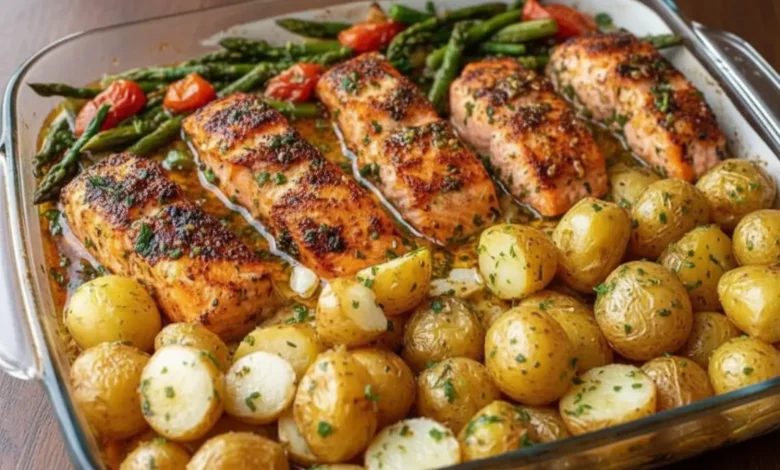
Some evenings, you don’t need a “new recipe.” You need a win.
Sheet Pan Salmon and Asparagus with Potatoes is the kind of dinner you want when you’re looking for something healthy and comforting, but still want your kitchen to stay calm. You want food that tastes like you tried—without actually trying that hard. That’s exactly where this dish shines. It’s one pan, minimal mess, and a full meal that looks restaurant-level when it hits your plate: flaky salmon, crisp-tender asparagus, and golden roasted potatoes that soak up all the lemony, garlicky goodness.
If you’ve ever stared into your fridge thinking, I can’t deal with five pots and twenty steps tonight, you’re in the right place. This dinner is your reset button.
Why You’ll Love This Sheet Pan Salmon and Asparagus with Potatoes
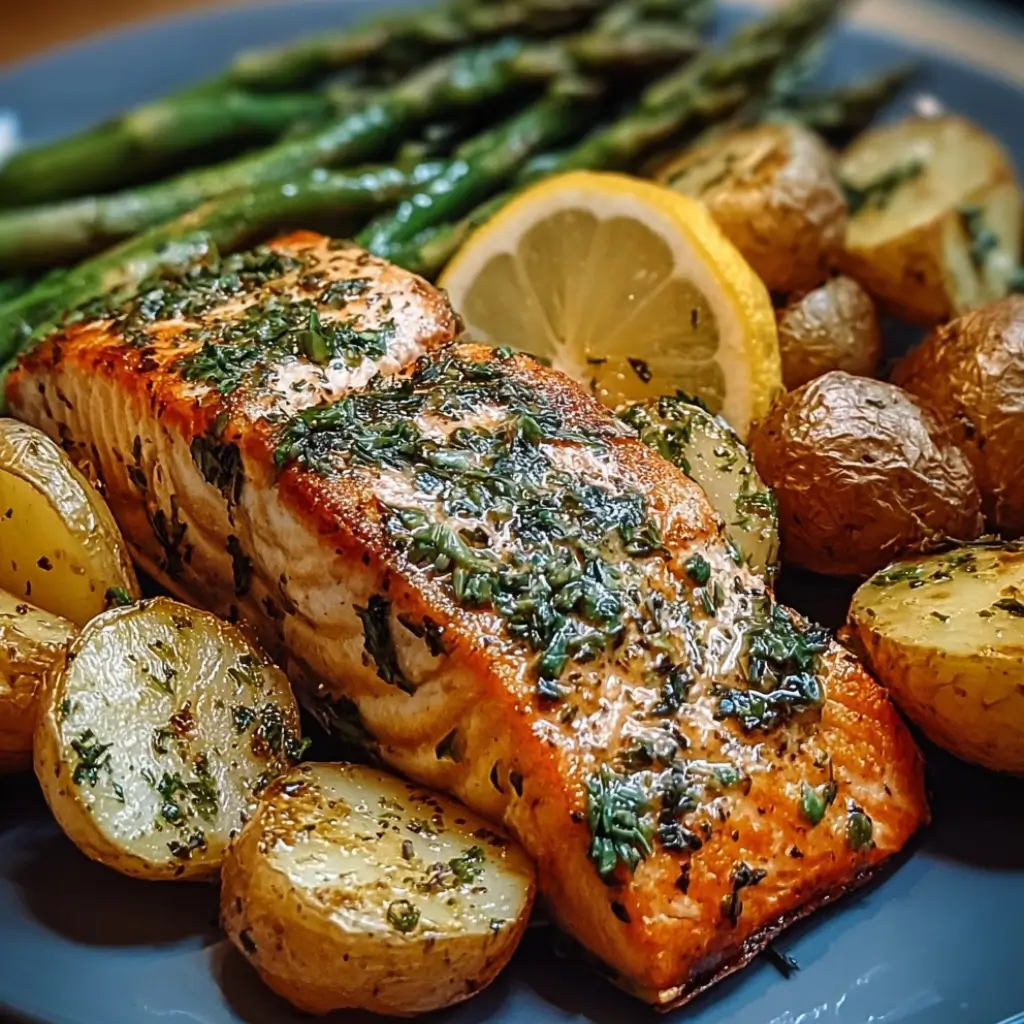
This is the kind of recipe that quietly solves your weeknight problems.
What makes it worth keeping in your rotation
- One pan, real dinner: You’re not making “salmon plus a side plus another side.” It all roasts together.
- Balanced without effort: Protein, vegetables, and carbs arrive on one tray.
- Easy timing once you know the trick: Potatoes go in first. Salmon and asparagus join later. Everything finishes together.
- Flexible flavor: You can lean classic lemon-garlic, go honey mustard, or shift into Mediterranean or Cajun with tiny changes.
- Great for meal prep: Leftovers hold up well, especially if you reheat smartly.
Who this recipe is perfect for
- You’re learning to cook fish without stress
- You want a high-protein dinner that doesn’t feel “diet-y”
- You need a family-friendly meal (and you don’t want to negotiate at the table)
- You want something impressive for guests without the performance
Ingredients for Sheet Pan Salmon and Asparagus with Potatoes
You don’t need anything fancy. What you do need is a few simple ingredients treated well.
Recipe Ingredients Table (4 servings)
| Ingredient | Amount | Notes / Smart Swaps |
|---|---|---|
| Salmon fillets | 4 (140–170 g each) | Skin-on or skinless both work |
| Baby potatoes | 700–900 g | Halve/quarter for even roasting |
| Asparagus | 1 bunch (450–500 g) | Trim woody ends |
| Olive oil | 2–3 tbsp | Avocado oil also works |
| Garlic | 3–4 cloves, minced | Or 1 tsp garlic powder |
| Lemon | 1–2 | Zest + juice + slices for serving |
| Dijon mustard (optional) | 1 tbsp | Great for a quick glaze |
| Salt | to taste | Season in layers |
| Black pepper | to taste | Freshly cracked is best |
| Paprika or chili flakes (optional) | 1 tsp | Adds warmth, not overpowering |
Ingredient tips that make a difference
- Choose salmon with even thickness. Fillets that are roughly the same size cook more predictably.
- Use baby or Yukon gold potatoes. They roast creamy inside and crisp at the edges.
- Pick asparagus with firm stalks and tight tips. Limp asparagus tends to roast unevenly.
Equipment and Prep Checklist
You don’t need special gear, but the right basics make the process smoother.
What you’ll need
- Large rimmed sheet pan (the bigger, the better)
- Parchment paper or foil (optional, but cleanup becomes ridiculously easy)
- A mixing bowl
- Tongs or a spatula
- Instant-read thermometer (recommended if you want consistent salmon)
Quick prep checklist
- Preheat your oven.
- Cut potatoes into equal sizes.
- Trim asparagus ends.
- Pat salmon dry (this helps it roast instead of steam).
That last step—drying the salmon—sounds small, but it changes texture and browning.
How to Make Sheet Pan Salmon and Asparagus with Potatoes (Step-by-Step)
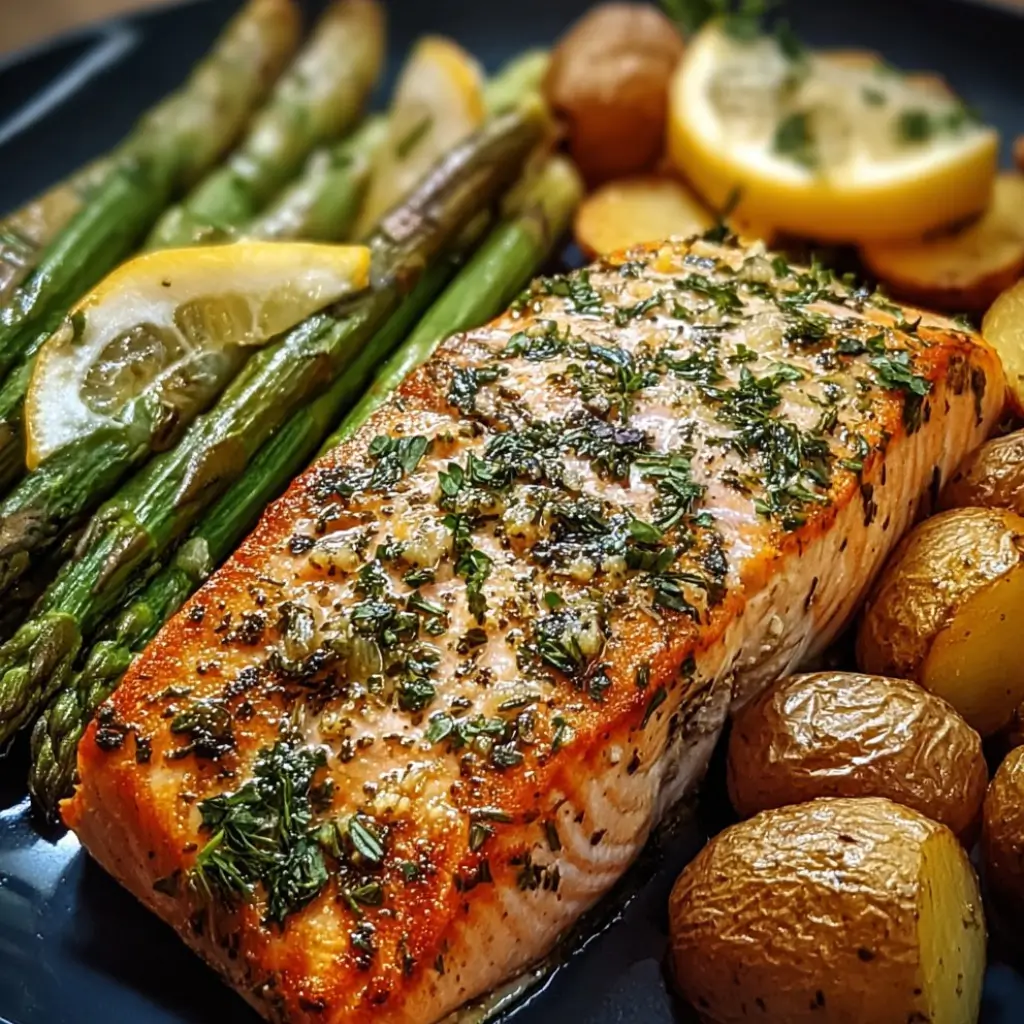
Here’s the secret: potatoes take longer than salmon and asparagus, so you roast them first. This is what turns a “good idea” into a dinner that lands perfectly.
Step 1: Roast the potatoes first (so they’re actually crispy)
- Preheat oven to 220°C (425°F).
- Toss potatoes with:
- 1.5–2 tbsp olive oil
- salt and pepper
- garlic (half now, half later if you like)
- paprika/chili flakes (optional)
- Spread potatoes on the sheet pan in a single layer, cut-side down if possible.
- Roast for 18–22 minutes, until they’re starting to brown and are about 70% cooked.
Why this matters: If you add salmon at the start, you’ll overcook it while waiting for potatoes to soften.
Step 2: Add salmon + asparagus to the same pan
- Push the potatoes to one side to make space.
- Place salmon fillets on the pan.
- Season salmon with:
- salt and pepper
- a drizzle of olive oil
- lemon zest
- (optional) a thin brush of Dijon mustard for extra flavor
- Add asparagus to the pan and toss lightly with a small drizzle of oil and a pinch of salt.
Spacing tip: Keep a little air around everything. Crowding traps steam, and you’ll miss that roasted edge.
Step 3: Finish roasting (and optionally broil for color)
- Roast for 10–14 minutes, depending on the thickness of your salmon.
- If you want extra color, broil for 1–2 minutes at the end—watch closely so the salmon doesn’t dry out.
- Finish with lemon juice right before serving.
Doneness guide (so you don’t guess)
- Salmon: Opaque, flakes easily, and feels gently firm. If you use a thermometer, aim for about 52–57°C (125–135°F) for moist salmon, or higher if you prefer it more done.
- Asparagus: Bright green and crisp-tender. It should bend slightly, not collapse.
- Potatoes: Fork-tender inside, golden at the edges.
Flavor Variations (Same Method, New Personality)
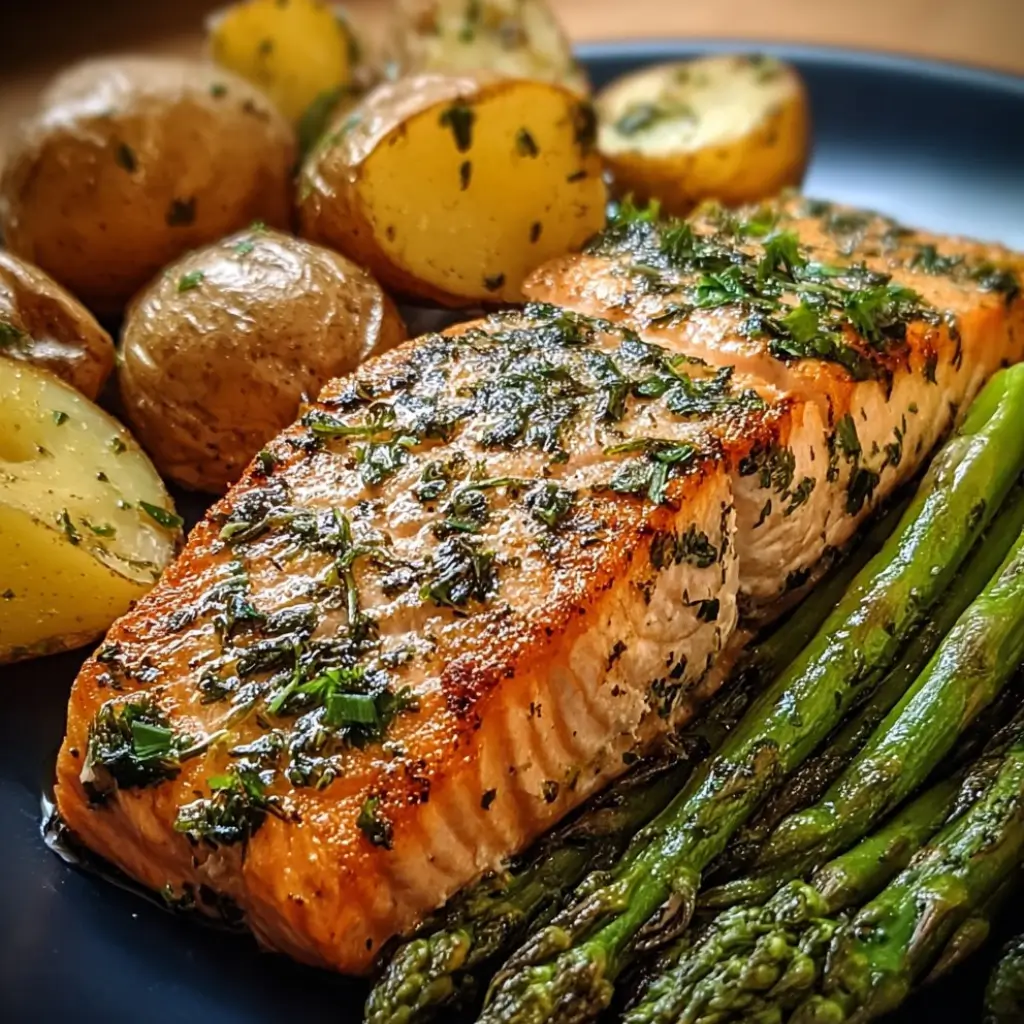
Once you master the base, you can keep this recipe exciting without learning anything new.
5 easy seasoning directions
- Garlic Butter Lemon: Add a small knob of butter to the pan right at the end and let it melt.
- Honey Mustard: Mix Dijon + honey + lemon juice and brush onto salmon in the last 8–10 minutes.
- Mediterranean: Add oregano, sliced red onion, and finish with feta and olives after roasting.
- Cajun Style: Use Cajun seasoning on the salmon and potatoes; add a squeeze of lime.
- Teriyaki-Inspired: Brush salmon with soy + ginger + a touch of honey near the end (added too early can burn).
Add-ons that roast well
- Cherry tomatoes (add in the final 10 minutes)
- Red onion wedges (add with potatoes)
- Zucchini or bell peppers (add with asparagus)
- Fresh dill or parsley (finish at the end)
If you want a crispy, comfort-food twist on salmon for another easy dinner idea, check out these Southern Fried Salmon Patties here.
Common Mistakes (and How You’ll Avoid Them)
Even simple recipes can disappoint if timing or spacing goes wrong. Here’s how you stay on track.
Potatoes are still hard
- Cut them smaller next time (quarter large baby potatoes).
- Roast potatoes longer before adding salmon (they should be nearly tender).
Salmon turns dry
- Add salmon later (don’t rush it onto the pan).
- Stop cooking once it flakes easily.
- Use a thermometer if you want repeatable results.
Asparagus gets mushy
- Add it later, or keep it on the thinner side of cook time.
- Thick asparagus can take the full 10–12 minutes; thin spears might need only 7–9.
Everything is pale and soft instead of roasted
- Your pan is crowded. Use a larger pan or split into two.
- Make sure salmon is patted dry.
- Don’t drown the vegetables in oil—just enough to coat.
Make-Ahead, Storage, and Reheating Tips
This meal is weeknight-friendly, but it’s also future-you friendly.
Make-ahead prep (10 minutes earlier in the day)
- Cut potatoes and store in water in the fridge (drain and dry well before roasting).
- Trim asparagus and store wrapped in a paper towel inside a bag.
- Mix your seasoning blend so you can cook faster later.
Storage
- Store leftovers in an airtight container for 3–4 days.
- Keep lemon slices and fresh herbs separate so they don’t turn bitter.
Reheating (best methods)
- Oven: 180°C (350°F) for 8–12 minutes (best overall texture).
- Air fryer: 175–180°C for 5–7 minutes (great for crisping potatoes).
- Microwave: Use lower power in short bursts so salmon stays tender.
If you’re meal-prepping: Pack a little sauce separately (yogurt-dill, mustard vinaigrette, or a simple lemon-olive oil drizzle).
If you want a quick, trustworthy refresher on safe cooling, storage, and reheating (so leftovers stay safe), check this USDA guide on leftovers and food safety.
Serving Suggestions (Make It Feel Like a Proper Dinner)
You already have a complete meal, but if you want to round it out:
Easy pairings
- A simple green salad with lemon vinaigrette
- A spoon of Greek yogurt mixed with garlic and dill (quick sauce)
- Extra lemon wedges and flaky salt at the table
- A handful of arugula tossed onto the hot potatoes right before serving
If you’re craving a sweeter, sticky-glazed variation after this, you’ll love my Easy Honey Garlic Salmon Bake with Oven Roasted Vegetables here.
FAQ: Sheet Pan Salmon and Asparagus with Potatoes
Can you make Sheet Pan Salmon and Asparagus with Potatoes with frozen salmon?
Yes, you can—but you’ll get the best texture if you thaw it first. If you cook from frozen, expect less browning and slightly longer cook time. Pat the surface dry once it begins to thaw in the oven, then season.
How do you keep Sheet Pan Salmon and Asparagus with Potatoes from overcooking?
You follow the timing: roast potatoes first, then add salmon and asparagus later. You’ll also get better results if you avoid overcrowding and pull the salmon as soon as it flakes easily.
What temperature should salmon be cooked to?
If you like salmon moist and tender, many cooks aim for the mid-50s °C range (around 125–135°F). If you prefer it more well-done, cook longer. The easiest way to avoid overcooking is using a thermometer and removing it right when it hits your preferred doneness.
Can you swap asparagus for broccoli or green beans?
Absolutely. Broccoli works well (add with salmon). Green beans are great too (they usually need a similar time as asparagus).
What potatoes work best for sheet pan salmon recipes?
Baby potatoes or Yukon golds roast beautifully and stay creamy inside. Russets can work, but they’re better when cut smaller and tossed thoroughly with oil.
Can you prep everything ahead and bake later?
Yes. You can cut the potatoes and trim asparagus earlier. Keep salmon refrigerated and season it right before roasting for the freshest flavor.
Final Thoughts (and Your Next Step)
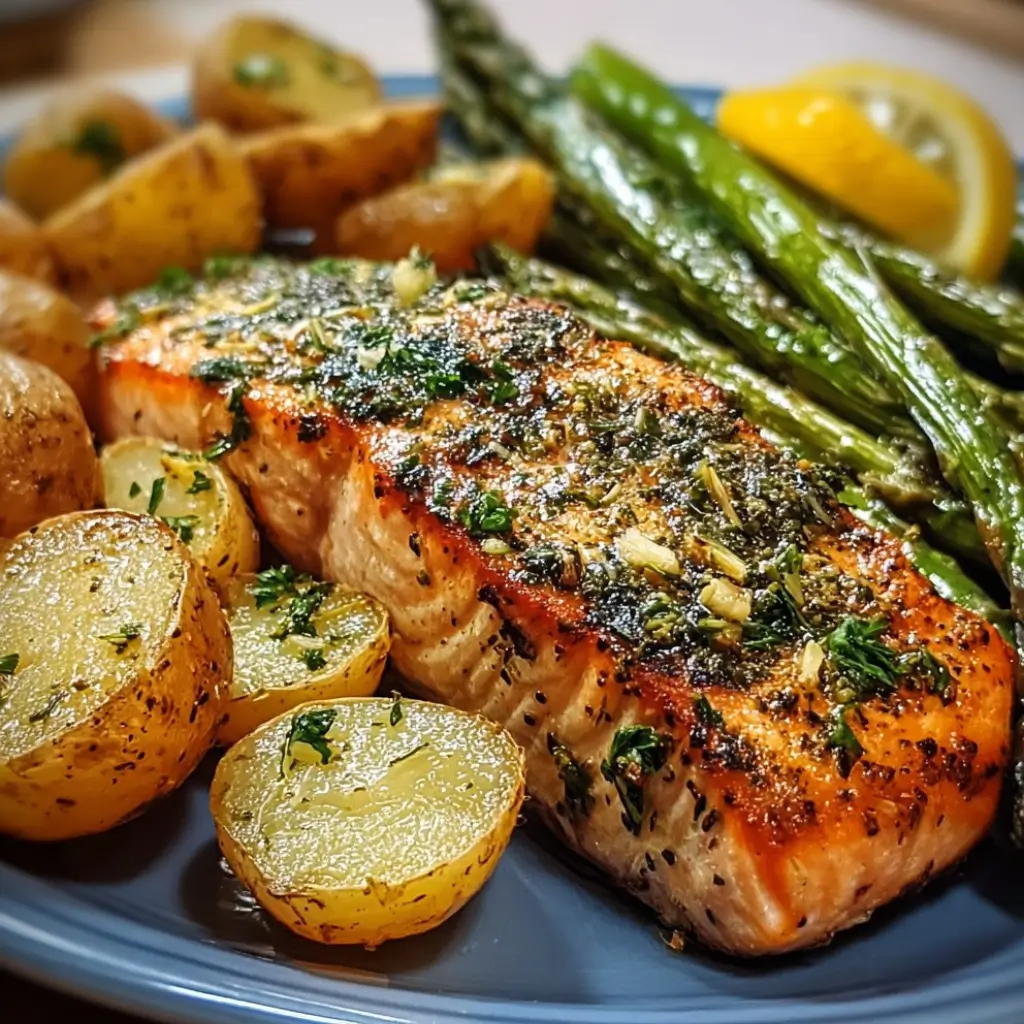
If you want a dinner that feels clean, satisfying, and quietly impressive, Sheet Pan Salmon and Asparagus with Potatoes is one of the easiest ways to get there. You’re not juggling pans, you’re not guessing at sides, and you’re not left with a sink full of dishes. You’re just building one tray, letting the oven do the work, and serving something you’ll be proud to eat.
If you’re craving another salmon dinner with a totally different vibe (and a great way to use pantry staples), try these Southern Fried Salmon Patties next.