20 Delicious Recipes Using Protein Powder You’ll Actually Want to Eat

Introduction
Protein powder has come a long way from being just a post-workout drink. Today, recipes using protein powder are showing up in everyday meals, snacks, and desserts because they are easy to make and surprisingly enjoyable to eat. From baked goods to no-bake treats, protein powder blends smoothly into a wide range of foods without overpowering flavor or texture.
One of the biggest reasons protein powder recipes have grown in popularity is convenience. You can boost protein intake without cooking complex meals or relying on processed foods. At the same time, modern protein powders are designed to taste better, making it possible to create meals and desserts that feel satisfying rather than forced.
Nutrition is another major advantage. High protein recipes help support muscle recovery, appetite control, and steady energy levels throughout the day. When combined with whole ingredients like oats, yogurt, fruits, or nut butters, healthy protein powder recipes offer balanced meals that fit into weight loss, muscle gain, or general wellness goals without sacrificing flavor.
Why Use Protein Powder in Recipes
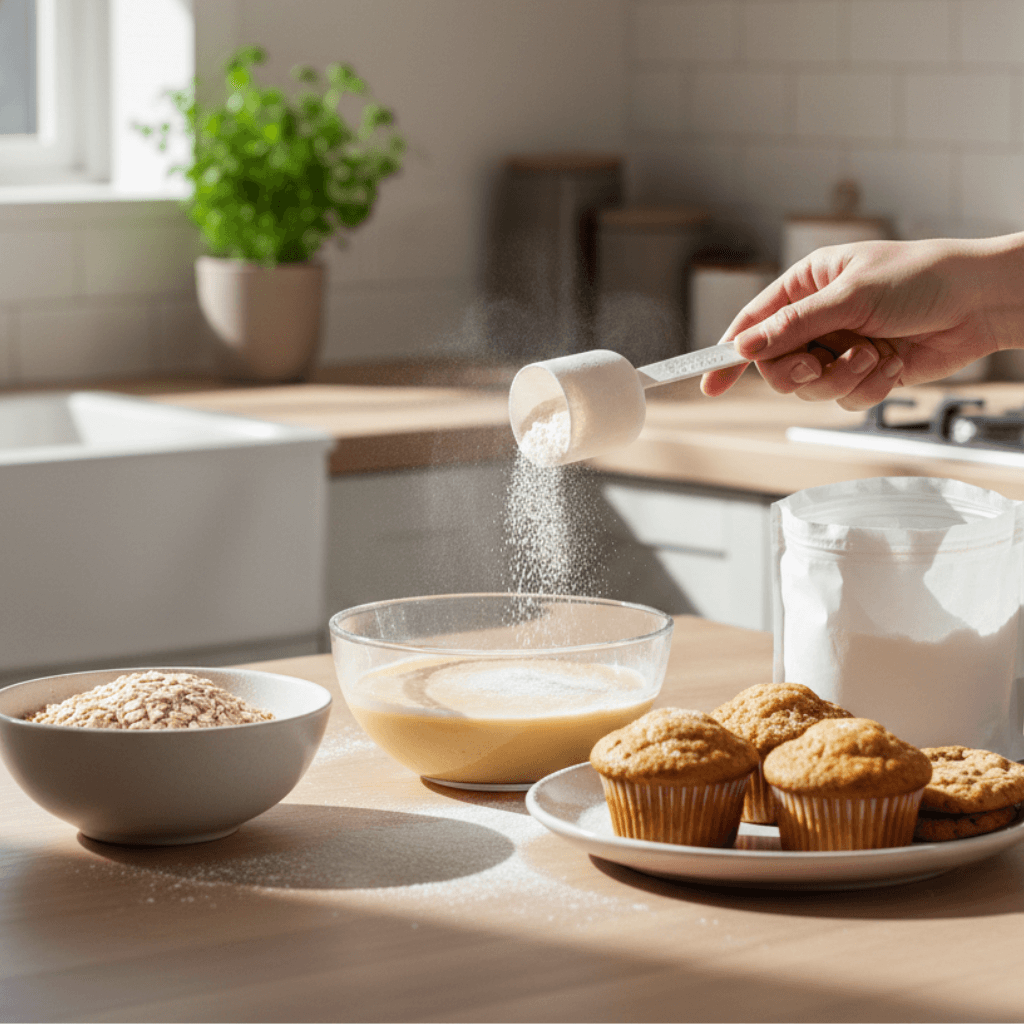
Protein powder is no longer just a supplement you mix with water or milk. Using it in everyday cooking allows you to improve the nutritional value of meals you already enjoy, without changing your routine. This approach makes it easier to meet daily protein needs while keeping meals practical, flavorful, and satisfying. (Based on nutrition research from Harvard T.H. Chan School of Public Health)
Benefits of Cooking With Protein Powder
One of the main advantages of cooking with protein powder is higher protein intake without increasing portion sizes. Adding protein powder to common foods like oatmeal, baked goods, or snacks helps you reach your protein goals more efficiently, especially if you struggle to get enough protein from whole foods alone.
Protein-enriched meals also support muscle recovery and post workout nutrition. High protein recipes can help repair muscle tissue, reduce soreness, and support strength maintenance. When protein is spread across meals instead of consumed only in shakes, your body benefits from more consistent amino acid availability throughout the day.
Types of Protein Powder You Can Cook With
Whey protein is one of the most popular options for cooking and baking. It mixes easily, has a neutral or mildly sweet flavor, and works well in pancakes, muffins, and brownies.
Plant protein is a good choice for those following a vegan or dairy-free diet. Options made from peas, rice, or blended plant sources perform well in no-bake recipes, cookies, and dense baked goods.
Casein protein digests slowly and has a thicker texture. It is often used in desserts like protein puddings, cheesecakes, or baked recipes where a creamy consistency is desired.
Collagen protein is different from other protein powders because it dissolves easily and has almost no taste. It works best in recipes like oatmeal, smoothies alternatives, or no-bake snacks, though it is usually combined with other protein sources for a complete amino acid profile.
Does Cooking Protein Powder Affect Nutrition
Protein powder remains stable under most cooking and baking conditions. Heat does not destroy protein, but it can change the structure of the protein molecules, which does not reduce their nutritional value.
Amino acids are generally retained during cooking. While extreme heat for long periods can slightly reduce certain amino acids, normal baking or cooking temperatures used in protein powder recipes preserve the majority of their nutritional benefits. This means you can confidently use protein powder in a wide range of recipes without worrying about losing its effectiveness.
Breakfast Recipes Using Protein Powder

Breakfast is one of the easiest meals to upgrade with protein powder. Adding protein to your morning routine helps you stay full longer, manage cravings, and maintain steady energy levels. These breakfast-focused recipes using protein powder are practical, filling, and easy to prepare ahead of time.
Protein Pancakes and Waffles
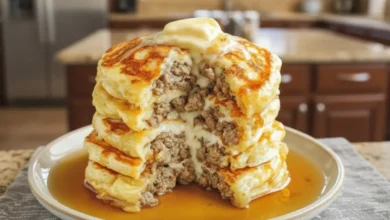
Protein pancakes and waffles are a popular choice because they feel familiar while offering better nutrition. Using vanilla protein powder adds natural sweetness and blends well with ingredients like oats, eggs, or yogurt. The flavor works especially well for both classic and fruit-based toppings.
These recipes are also great for meal prep. You can cook a batch in advance, store them in the fridge or freezer, and reheat them quickly during busy mornings. This makes them one of the most convenient protein powder recipes for consistent, high-protein breakfasts.
Protein Oatmeal and Breakfast Bowls
Protein oatmeal is a simple way to create a high-protein start to the day without extra cooking time. Stirring protein powder into warm oats increases protein content while keeping the texture creamy. You can customize breakfast bowls with fruit, seeds, or nut butter for added nutrients.
This type of breakfast supports fat loss and energy by combining protein with complex carbohydrates. High protein recipes like these help regulate appetite and provide sustained fuel, making them ideal for long workdays or morning workouts.
Baked Protein Muffins
Baked protein muffins are one of the easiest protein powder baking recipes to master. Protein powder can replace part of the flour, increasing protein without drastically changing texture or taste. Flavors like banana, blueberry, or chocolate work especially well.
These muffins are also a kid-friendly option. They look and taste like regular baked goods while offering better nutrition, making them a practical choice for families looking to include more healthy protein powder recipes in daily meals.
Snack and No-Bake Recipes Using Protein Powder
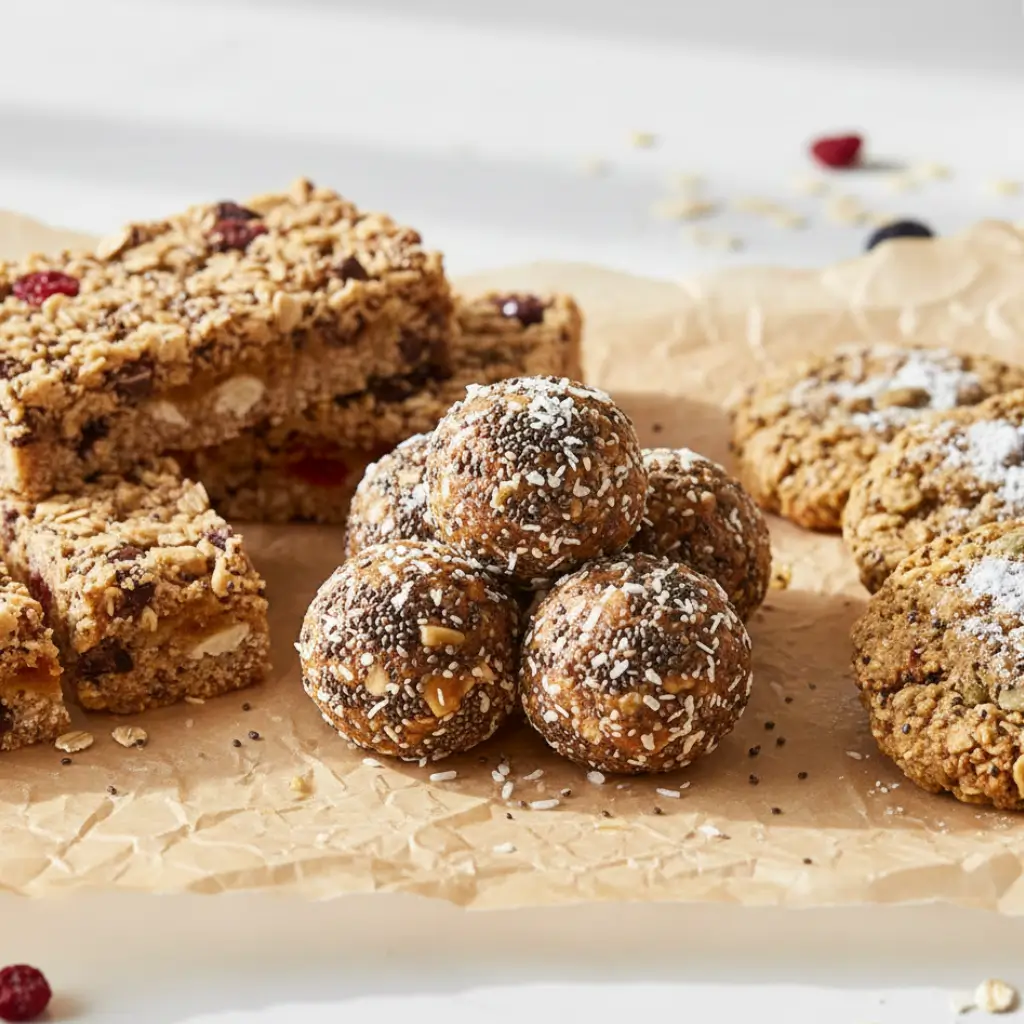
Snacks are where protein powder really shines. When you need something quick, filling, and easy to prepare, no-bake options help you increase protein intake without turning on the oven. These recipes using protein powder are ideal for busy schedules, pre-workout fuel, or afternoon hunger.
Protein Energy Balls
Protein energy balls are classic no bake protein recipes that require minimal ingredients and almost no preparation time. Protein powder is typically combined with oats, nut butter, and a natural sweetener to create a balanced snack that delivers protein, fiber, and healthy fats.
For another simple, savory option, these 3-Ingredient Cottage Cheese Garlic Breadsticks are an easy high-protein snack that pairs well with protein-focused meal planning.
They are also a portable snack option. You can store them in the fridge and grab one whenever you need a quick bite, making them one of the most practical protein powder recipes for work, travel, or gym bags.
If you enjoy quick, high-protein snacks, try these Bagel Cottage Cheese Bites for a simple, low-carb option that fits well into protein-focused meal planning.
Homemade Protein Bars
Homemade protein bars give you full control over sugar and ingredients. Unlike many store-bought bars, you can avoid excessive sweeteners and unnecessary additives while adjusting protein levels to fit your needs.
These bars are a great alternative to packaged snacks. They are filling, customizable, and easy to batch prepare, which makes them ideal for anyone following high protein recipes for weight management or muscle support.
Protein Cookies Without Added Sugar
Protein cookies without added sugar offer a way to enjoy high protein desserts without compromising nutrition. Using chocolate protein powder provides rich flavor while contributing to protein content, reducing the need for extra sweeteners.
These cookies are especially useful for satisfying cravings while staying on track with healthy protein powder recipes. They work well as an evening snack or a post-workout treat that feels indulgent but remains balanced.
Dessert Recipes Using Protein Powder
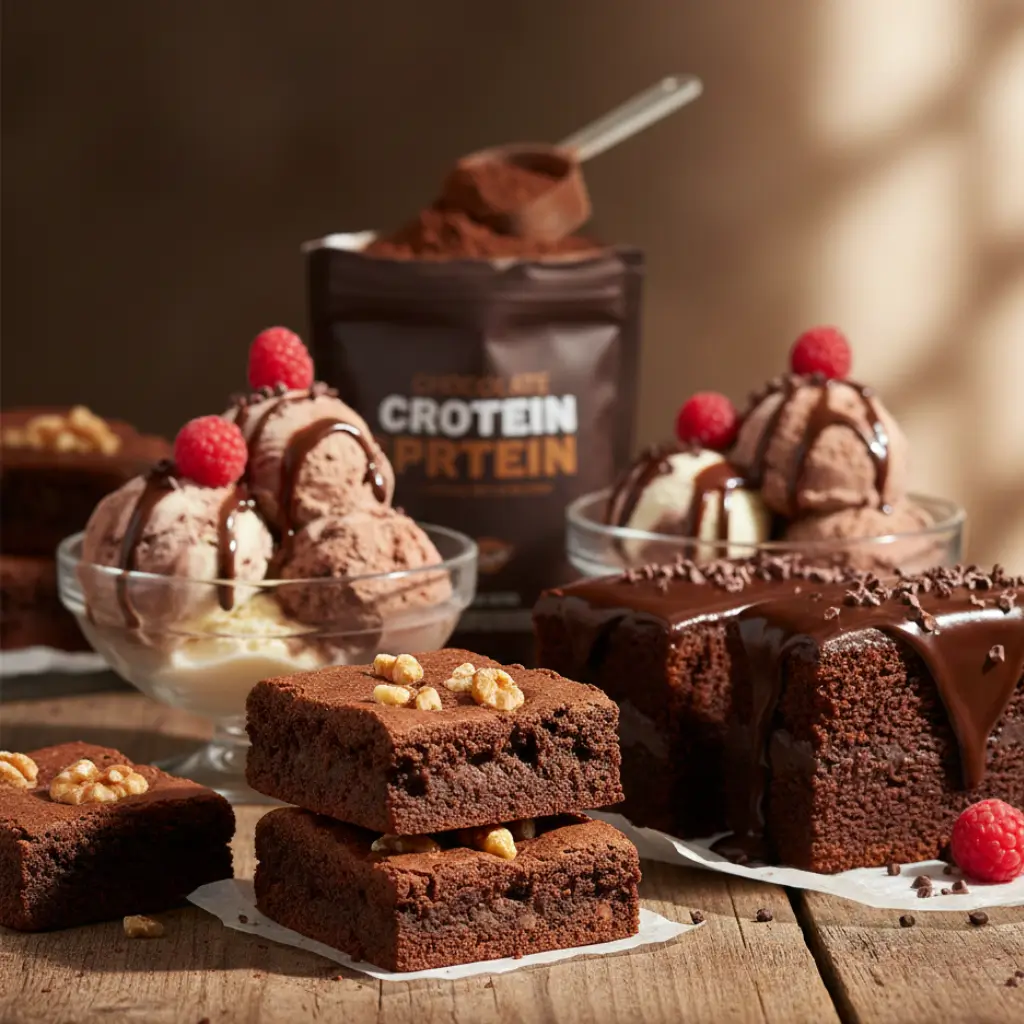
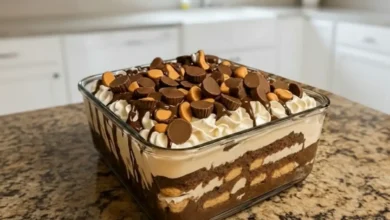
Desserts are often the hardest meals to balance with nutrition goals, which is why protein powder works so well in this category. It allows you to enjoy sweet treats while increasing protein intake and reducing excess sugar. These recipes using protein powder focus on indulgence without guilt, making them easier to enjoy on a regular basis.
Protein Brownies and Cakes
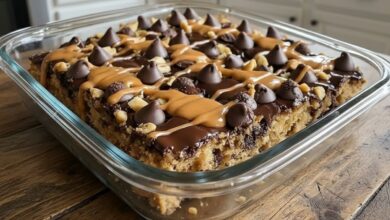
Protein brownies and cakes are among the most popular ways of baking with protein powder. Replacing part of the flour with protein powder boosts protein content while keeping familiar flavors and textures. Chocolate-based recipes work especially well because the protein blends naturally with cocoa.
To maintain a moist texture, it helps to avoid using too much protein powder and to include ingredients like yogurt, applesauce, or nut butter. These additions prevent dryness and make protein powder recipes taste closer to traditional desserts.
Protein Ice Cream and Frozen Treats
Protein ice cream and frozen treats are perfect examples of high protein, low calorie desserts. They are refreshing, filling, and easy to customize with different flavors. Protein powder adds structure and creaminess without the need for heavy cream or large amounts of sugar.
Many recipes use no churn options, meaning you do not need an ice cream machine. A blender or food processor is enough to create frozen treats that fit well into high protein recipes for weight control or muscle recovery.
Healthy Protein Cheesecake Alternatives
Healthy protein cheesecake alternatives offer a lighter version of a classic dessert. These recipes often use casein protein for its thick texture and slow digestion, which helps create a creamy consistency similar to traditional cheesecake.
Plant protein is also a good option, especially for dairy-free versions. When combined with ingredients like blended tofu, yogurt alternatives, or soaked nuts, it supports healthy protein powder recipes that feel rich while remaining nutritionally balanced.
Tips for Cooking and Baking With Protein Powder
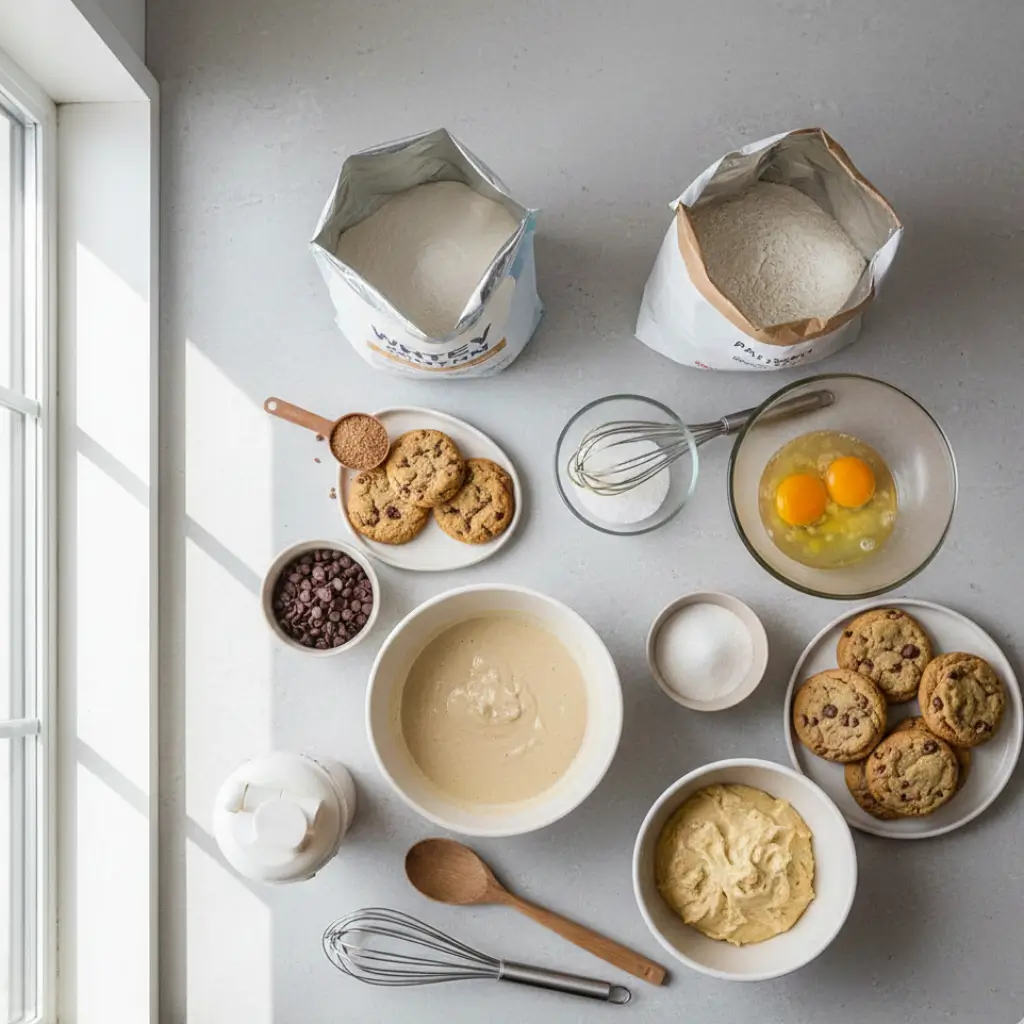
Using protein powder in recipes is simple, but small adjustments can make a big difference in texture and flavor. Understanding how protein powder behaves during cooking helps you create better protein powder recipes that taste good and deliver consistent results.
(Practical cooking guidance adapted from The Academy of Nutrition and Dietetics)
Best Protein Powder for Baking
Whey protein and plant protein behave differently in baked goods. Whey protein blends smoothly and works well in pancakes, muffins, and cakes, but it can dry out recipes if used in large amounts. Plant protein tends to absorb more liquid and creates denser textures, making it better suited for cookies, bars, and no-bake recipes.
Flavor selection also matters. Vanilla protein powder is versatile and pairs well with most sweet recipes, while chocolate protein powder works best in brownies, cakes, and desserts. Neutral or unflavored options are useful when you want the other ingredients to stand out without added sweetness.
How Much Protein Powder to Use in Recipes
Using too much protein powder can lead to a dry or rubbery texture. A good starting point is to replace no more than 20 to 30 percent of the flour in a recipe with protein powder. This keeps baked goods soft while still increasing protein content.
If a recipe does not use flour, start with one scoop of protein powder and adjust gradually. Adding extra moisture from ingredients like milk, yogurt, or mashed fruit helps maintain balance in high protein recipes.
Common Mistakes to Avoid
Overheating protein powder is a common issue. While protein remains nutritionally stable, excessive heat or long baking times can affect texture, making food tough or dry. Using moderate temperatures and standard baking times produces better results.
Mixing errors can also impact final outcomes. Protein powder should be evenly distributed to prevent clumps or uneven texture. Proper taste balance is equally important. Pair protein powder with enough fat, natural sweetness, and flavoring so your healthy protein powder recipes remain enjoyable rather than chalky or bland.
FAQ For Recipes Using Protein Powder
Can you bake with protein powder?
Yes, you can bake with protein powder. It works well in pancakes, muffins, brownies, and cakes when used correctly. Protein powder is best used to replace part of the flour rather than all of it, which helps maintain good texture and flavor in baked goods.
Does cooking protein powder destroy protein?
Cooking protein powder does not destroy protein. Heat changes the structure of protein, but the nutritional value and amino acids remain largely intact. Normal cooking and baking temperatures used in protein powder recipes preserve the benefits of protein.
Can protein powder replace flour?
Protein powder can partially replace flour, but it should not fully replace it. Replacing about 20 to 30 percent of the flour works best. Using too much protein powder can make recipes dry or dense, so balance is important.
Which protein powder tastes best in recipes?
Whey protein and casein protein are often considered the best tasting in recipes because they blend smoothly and have a mild flavor. Plant protein also works well, especially in no-bake recipes and cookies, though it may create a slightly denser texture.
Conclusion
Recipes using protein powder offer far more variety than traditional shakes. From breakfasts and snacks to desserts, protein powder fits easily into everyday meals while improving nutrition and supporting different health goals.
Experimenting with different ingredients and protein types helps you find what works best for your taste and routine. Try one recipe today and discover how simple it is to turn ordinary meals into satisfying, high protein options you will actually enjoy.