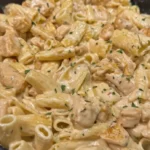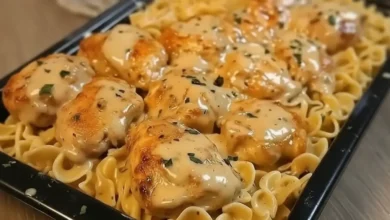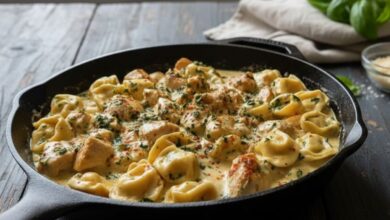
Parmesan Garlic Chicken Pasta (Easy Creamy Recipe)
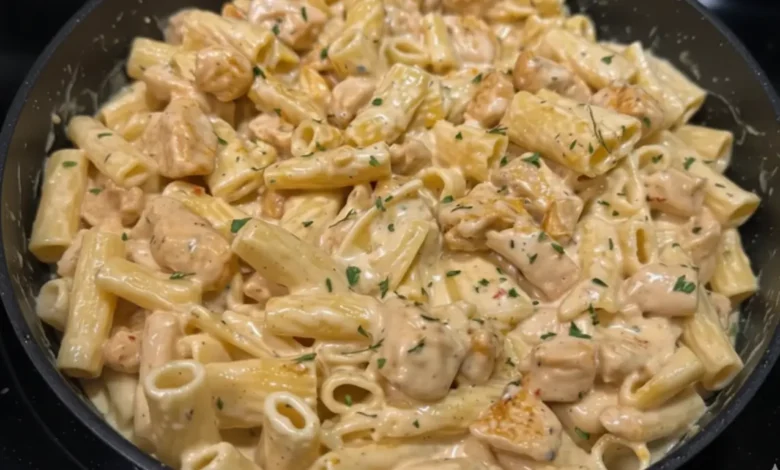
There are nights when you want dinner to feel a little special, but you do not want a sink full of dishes or a complicated recipe. That is exactly where parmesan garlic chicken pasta shines. You get tender chicken, a creamy garlic-parmesan sauce, and pasta that soaks up every bit of flavor—without needing restaurant-level skills.
If you have ever stood in your kitchen wondering what to make with chicken and pasta that does not taste boring, this recipe is for you. It is cozy, filling, and easy to adjust based on what you already have at home. You can keep it rich and creamy, make it lighter, or add vegetables for extra texture and color.
In this guide, you will learn how to make a flavorful parmesan garlic chicken pasta step by step, how to avoid common mistakes, what to serve with it, and how to store leftovers so they still taste great the next day.
Why You’ll Love This Parmesan Garlic Chicken Pasta
This dish checks a lot of boxes at once, which is why it becomes a repeat meal in so many homes.
What makes it a favorite
- Fast enough for weeknights
- Comforting and filling
- Family-friendly flavor
- Easy to customize
- Great for leftovers
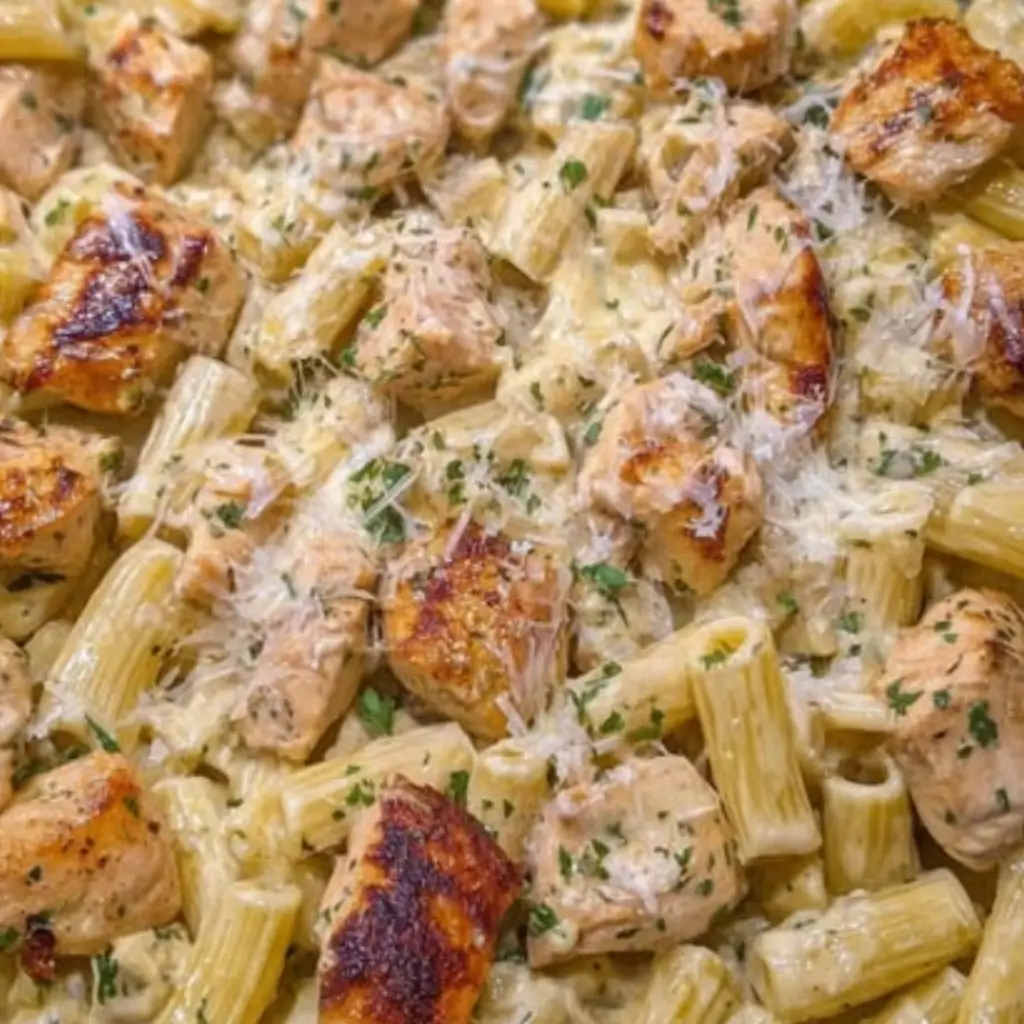
You get the bold flavor of garlic, the salty nuttiness of parmesan, and the heartiness of chicken in one pan-friendly meal. It feels like comfort food, but it does not require hours in the kitchen.
Why this recipe works so well
The magic is in the balance:
- Garlic gives the sauce depth
- Parmesan adds flavor and body
- Cream and broth create a silky texture
- Pasta water helps everything cling together
- Chicken adds protein and makes it a complete meal
If you have been searching for an easy chicken pasta dinner that tastes like something you would order at a casual Italian restaurant, this is a strong choice.
What Is Parmesan Garlic Chicken Pasta
Parmesan garlic chicken pasta is a pasta dish made with cooked chicken, garlic, parmesan cheese, and a creamy or semi-creamy sauce. It is usually tossed with pasta such as penne, fettuccine, linguine, or rotini.
Flavor and texture
When made well, this dish should taste:
- Savory
- Garlicky (but not harsh)
- Creamy
- Cheesy
- Well-seasoned, not overly salty
The texture should be:
- Tender chicken
- Al dente pasta
- Smooth sauce that coats, not drowns, the noodles
Is it the same as Alfredo?
Not exactly. Alfredo is usually heavier on butter, cream, and cheese with a milder garlic profile (depending on the recipe). Garlic parmesan chicken pasta tends to be more garlic-forward and can be made a little lighter without losing flavor.
Ingredients for the Best Parmesan Garlic Chicken Pasta
A good pasta dish starts with good ingredients, but you do not need anything fancy. What matters most is choosing a few key items carefully—especially the parmesan and garlic.
2 cups Ziti Pasta
2 Boneless Skinless Chicken Breasts diced
1 tablespoon Olive Oil
3 tablespoons Flour
3 tablespoons Butter
1 tablespoon Minced Garlic
1 cup Heavy Whipping Cream
1 cup Whole Milk
1 cup Parmesan Cheese shredded
1 cup Parmesan Garlic Sauce
¼ cup Yellow Onion diced
1 teaspoons Italian Seasoning
1 teaspoon Onion Powder
1 teaspoon Garlic Powder
1 teaspoon Seasoned Salt
Salt and Black Pepper to taste
Ingredient tips that make a big difference
Use freshly grated parmesan
Pre-shredded parmesan often contains anti-caking ingredients, which can make your sauce grainy or clumpy. Freshly grated parmesan melts better and tastes stronger, so your sauce turns out smoother.
Use fresh garlic if possible
Fresh garlic gives the dish its character. Garlic powder can help in a pinch, but it will not create the same aroma or depth.
Salt your pasta water
This is one of the easiest ways to build flavor. If your pasta water is under-seasoned, your final dish can taste flat even if the sauce is rich.
Kitchen Tools You Need
You do not need special equipment to make creamy parmesan garlic chicken pasta, but these tools make the process easier and faster.
Essential tools
- Large pot (for boiling pasta)
- Large skillet or sauté pan
- Cutting board
- Sharp knife
- Tongs or spatula
- Measuring cups and spoons
- Colander
- Cheese grater
Helpful extras
- Microplane (for parmesan and garlic)
- Instant-read thermometer (for chicken doneness)
- Ladle or measuring cup (for pasta water)
How to Make Parmesan Garlic Chicken Pasta Step by Step
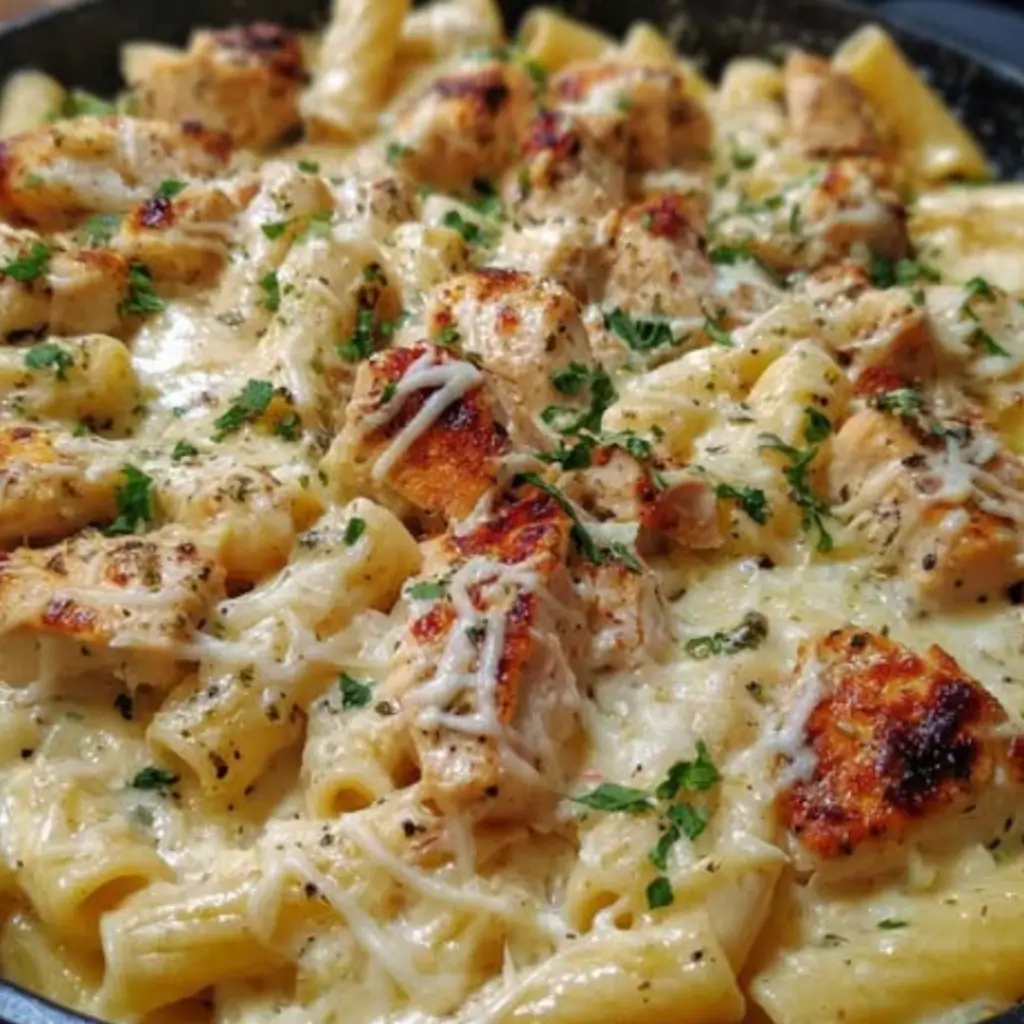
This method keeps the chicken juicy and the sauce smooth. Read through the steps once before you start so the timing feels easy.
Cook the pasta according to the package directions. Heat olive oil in a skillet over medium high heat, then add the diced chicken breasts. Season with seasoned salt, onion powder, garlic powder, and Italian seasoning. Cook for 7–8 minutes, or until the chicken reaches an internal temperature of 165 degrees. Remove the chicken from the skillet and set aside.
Lower the heat to low and add the butter and diced onions to the skillet. Cook the onions for 3–4 minutes, then add the minced garlic and cook for an additional 30 seconds.
Add the flour and stir well to form a roux. Continue cooking, stirring frequently, for 2–3 minutes.
Slowly pour in the heavy whipping cream and whole milk, whisking until the sauce begins to thicken. Stir in the parmesan garlic sauce until fully combined, then season with salt and black pepper to taste.
Drain the pasta and add it to the skillet. Add the cooked diced chicken back in and toss everything together until evenly coated. Serve and enjoy!
Tips for Perfect Parmesan Garlic Chicken Pasta Every Time
Even a simple recipe can go sideways if a few small details are missed. These tips help you get consistent results.
Texture tips
- Cook pasta al dente so it does not turn mushy in the sauce
- Use pasta water to adjust thickness
- Let the sauce simmer gently, not aggressively
- Slice or cube chicken evenly for consistent cooking
Flavor tips
- Season the chicken before cooking
- Taste the sauce before adding final salt (parmesan is salty)
- Add garlic at lower heat to avoid bitterness
- Finish with fresh parsley or a little lemon zest for brightness
Common mistakes to avoid
- Using high heat after adding parmesan
This can cause the sauce to split or become grainy. - Burning the garlic
Garlic cooks fast. Burnt garlic tastes sharp and bitter. - Overcooking the chicken
Chicken breast can dry out quickly. Pull it once it is just done. - Skipping pasta water
You lose an easy way to fix sauce consistency. - Over-salting too early
Parmesan and broth already add salt, so taste before adding more.
Variations You Can Try
One reason homemade parmesan garlic pasta is so useful is that you can adapt it in many ways without changing the basic method.
Creamy Parmesan Garlic Chicken Pasta (Classic)
Use heavy cream and a generous amount of parmesan for the richest version. This is the best pick if you want a restaurant-style comfort meal.
Light Parmesan Garlic Chicken Pasta
If you want a lighter version:
- Use half-and-half or whole milk
- Increase broth slightly
- Reduce butter
- Add extra garlic and herbs for flavor
It will be less rich, but still satisfying.
Spicy Garlic Parmesan Chicken Pasta
If you enjoy heat, add:
- Red pepper flakes
- Cajun seasoning
- Cracked black pepper
- A little chili oil at the end
This variation pairs especially well with penne or rotini.
Veggie-Loaded Version
Add vegetables to stretch the meal and add color:
- Spinach (stir in at the end)
- Mushrooms (cook before garlic)
- Broccoli (steam or blanch first)
- Peas (add near the end)
- Sun-dried tomatoes (for extra savory flavor)
Protein-Boosted or Gluten-Free Option
- Use chickpea or lentil pasta for more protein
- Use gluten-free pasta if needed
- Add extra chicken for higher-protein servings
If you’re planning a full comfort-food dinner lineup, you can also try this easy Pizza Pasta Bake recipe for another family-friendly pasta option.
If you want another hearty weeknight pasta idea with bold flavor, this delicious Pepper Steak Pasta recipe is a great next dish to add to your meal plan.
What to Serve with Parmesan Garlic Chicken Pasta
This dish is satisfying on its own, but the right side can round out the meal and add contrast.
Best side dishes
- Garlic bread or toasted baguette
- Caesar salad
- Roasted broccoli
- Green beans with lemon
- Simple cucumber-tomato salad
- Steamed asparagus
If you want a lighter meal balance
Since the pasta is creamy and rich, a crisp salad or roasted green vegetable works especially well. You get freshness and crunch without competing with the main dish.
Storage, Reheating, and Meal Prep Tips
Leftover parmesan garlic chicken pasta can still taste great, but cream-based sauces need gentle reheating.
How to store leftovers
- Let the pasta cool slightly (do not leave out too long)
- Store in an airtight container
- Refrigerate for up to 3–4 days
How to reheat without drying it out
The sauce will thicken in the fridge. That is normal.
Best method (stovetop)
- Add the pasta to a skillet
- Add a splash of milk, broth, or water
- Warm over low heat
- Stir gently until creamy again
Microwave method
- Add a splash of liquid before heating
- Heat in short intervals
- Stir between intervals
Can you freeze it?
You can, but cream sauces may separate after thawing. If you plan to freeze meals often, consider freezing the cooked chicken separately and making fresh sauce when ready to serve.
Nutrition Notes and Simple Ways to Make It Lighter
The exact nutrition depends on the ingredients and portions you use, but this dish usually provides a good mix of:
- Protein (from chicken and parmesan)
- Carbohydrates (from pasta)
- Fat (from cream, butter, and cheese)
How to lighten the recipe without losing flavor
- Use less cream and more broth
- Add vegetables to increase volume
- Use chicken breast instead of thighs
- Reduce cheese slightly and boost herbs/garlic
- Watch portion size and serve with salad
If you publish this on a recipe blog, it is smart to include an estimated nutrition panel and a note that values vary by brand and ingredient choice.
FAQ – Parmesan Garlic Chicken Pasta
Can I make parmesan garlic chicken pasta without heavy cream?
Yes, you can use half-and-half, whole milk, or a mix of milk and broth. The sauce will be lighter and a little less thick, but it still works well. If needed, let it simmer gently a bit longer to reduce.
What pasta is best for parmesan garlic chicken pasta?
Penne, rotini, fettuccine, and linguine all work well. Short pasta shapes hold sauce in the ridges and corners, while long noodles give a more classic creamy pasta feel.
Why is my parmesan garlic chicken pasta sauce grainy?
This usually happens when the heat is too high or when pre-shredded cheese is used. For a smoother sauce, lower the heat and add freshly grated parmesan gradually.
Can I make parmesan garlic chicken pasta ahead of time?
Yes, but it tastes best freshly made. If you make it ahead, store it properly and reheat gently with a splash of milk or broth to bring the sauce back to life.
How do I keep parmesan garlic chicken pasta creamy after reheating?
Reheat over low heat and add liquid in small amounts while stirring. This helps loosen the sauce and prevents the pasta from tasting dry.
Can I add vegetables to parmesan garlic chicken pasta?
Absolutely. Spinach, mushrooms, broccoli, peas, and sun-dried tomatoes all work well. Add them at the right stage so they stay tender and flavorful instead of overcooked.
Conclusion
If you want a dinner that tastes comforting, looks impressive, and does not require a complicated process, parmesan garlic chicken pasta is one of the best recipes to keep in your rotation. You get creamy texture, bold garlic flavor, and satisfying protein in one dish that is easy to adapt to your taste.
The best part is how flexible it is. You can make it rich, make it lighter, add vegetables, or turn up the spice depending on what your week looks like and what is in your fridge.
Try this recipe the next time you need a reliable dinner that feels like more than “just pasta.” And if you make your own version, leave a comment with your favorite add-ins—your twist might become someone else’s new go-to meal.
If you found this guide helpful, save it for your next meal plan, share it with someone who loves easy chicken pasta dinners, and bookmark it so you can come back when you need a no-stress comfort meal.
For a helpful guide on safely cooking chicken to the proper internal temperature, you can check here before making this parmesan garlic chicken pasta.