Ezekiel Bread Recipe: The Healthiest Bread You Can Bake
Introduction:
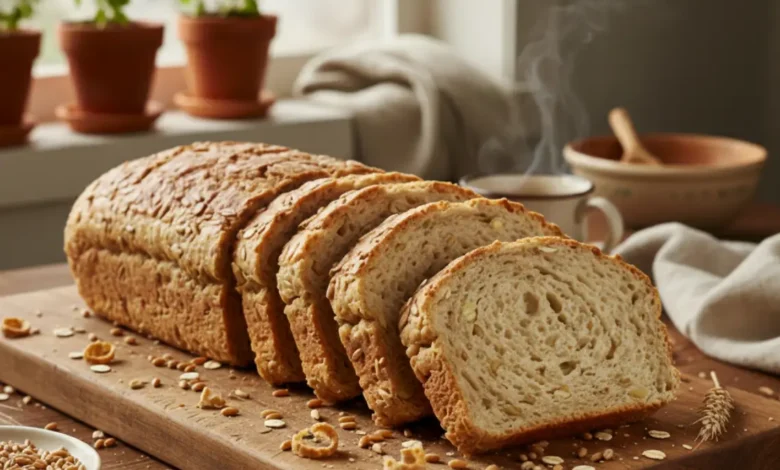
Ezekiel bread offers a range of health benefits that make it one of the best bread choices you can bake at home. It provides a rich source of protein, fiber, essential vitamins, and minerals. The combination of these nutrients supports digestive health, heart health, and long-term wellness, making it a far superior option to traditional white bread. Plus, its plant-based, vegan-friendly ingredients make it an ideal choice for those following a plant-based lifestyle.
Now that you know the health benefits of Ezekiel bread, why not try baking it at home? With simple ingredients and a few easy steps, you can create a fresh, nutritious loaf that not only tastes great but also boosts your health. Whether you’re looking to improve your diet, reduce your intake of refined grains, or simply enjoy a hearty, delicious bread, baking Ezekiel bread is an easy and rewarding way to nourish your body.
Incorporating Ezekiel bread into your diet is more than just enjoying a delicious loaf of bread—it’s a step toward better nutrition and a healthier lifestyle. By choosing sprouted grains over refined flour, you’re making a conscious decision to fuel your body with wholesome, nutrient-dense foods. Give Ezekiel bread a try today, and experience the benefits for yourself!
What is Ezekiel Bread?
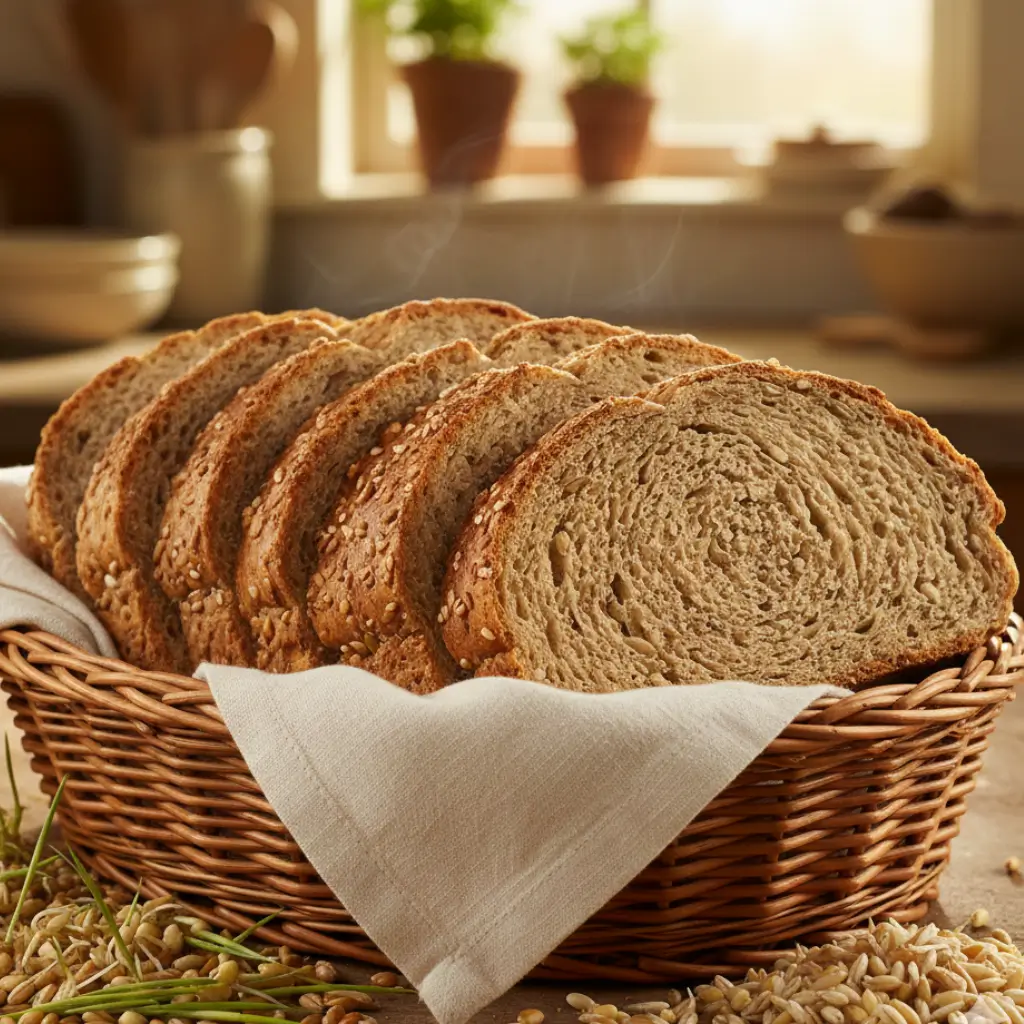
Ezekiel bread is unique because it is made from sprouted whole grains. Unlike most commercially available bread, which uses refined flour, Ezekiel bread uses whole, sprouted grains that retain all of their natural nutrients. This makes it not only more nutritious but also easier to digest, making it a popular choice for health-conscious individuals.
Sprouted Grains:
The key to Ezekiel bread’s health benefits lies in the grains used to make it. The bread uses sprouted wheat, barley, lentils, and sometimes spelt and millet. Sprouting these grains enhances their nutritional profile by increasing the availability of vitamins, minerals, and amino acids. The sprouting process breaks down some of the starches, making these grains easier to digest and providing a richer source of protein and fiber. The result is a dense, flavorful bread that’s packed with essential nutrients.
Biblical Origin:
Ezekiel bread gets its name from the biblical story of Ezekiel, found in Ezekiel 4:9. According to the scripture, the prophet Ezekiel was instructed to make bread using sprouted wheat and barley, along with other grains, to symbolize a simple and wholesome way of nourishment during a time of hardship. This ancient recipe, which dates back thousands of years, is considered one of the first documented bread recipes. Today, it is valued not only for its historical significance but also for the numerous health benefits it offers.
Health Benefits of Ezekiel Bread
Ezekiel bread isn’t just a flavorful alternative to traditional bread—it’s a powerhouse of health benefits. From its high protein content to its rich array of vitamins and minerals, Ezekiel bread can be a game-changer for those looking to improve their overall nutrition.
To learn more about the overall health benefits of consuming whole grains, including Ezekiel bread, check out this insightful guide on the health benefits of whole grains.
Nutritional Value:
One of the standout features of Ezekiel bread is its high protein content. Unlike regular bread made from refined flour, which contains little protein, Ezekiel bread made from sprouted grains is packed with essential amino acids that are the building blocks of protein. This makes it a fantastic choice for anyone looking to increase their protein intake, especially for those on plant-based diets. Additionally, it’s a great source of fiber, which supports digestive health and helps keep you feeling fuller for longer, making it a wonderful addition to any meal.
Rich in Vitamins and Minerals:
Ezekiel bread is also rich in important vitamins and minerals, which are essential for overall health. It contains iron, which is crucial for transporting oxygen throughout your body and preventing anemia. The magnesium found in Ezekiel bread supports muscle and nerve function, while also playing a role in regulating blood sugar levels. Additionally, B-vitamins, particularly folate, are abundant in sprouted grains, which help in energy production and promote healthy cell function.
Better Digestibility:
The sprouting process used to make Ezekiel bread helps break down the starches and phytic acid in the grains, making it easier for your body to absorb nutrients. Sprouted grains are more digestible than regular grains, which means that your body can better access the beneficial nutrients like vitamins and minerals. This can be particularly beneficial for people who struggle with gluten or wheat sensitivities, as sprouted grains are often easier on the digestive system.
Heart Health:
Ezekiel bread’s heart health benefits come from its high fiber content and abundance of antioxidants. Fiber plays a crucial role in lowering cholesterol levels by binding to excess cholesterol in the digestive system and helping eliminate it from the body. The antioxidants in Ezekiel bread, derived from the sprouted grains, help combat oxidative stress, which can damage the heart and other organs. By incorporating Ezekiel bread into your diet, you can support your cardiovascular health and lower the risk of heart disease.
Ingredients You Need for an Authentic Ezekiel Bread Recipe
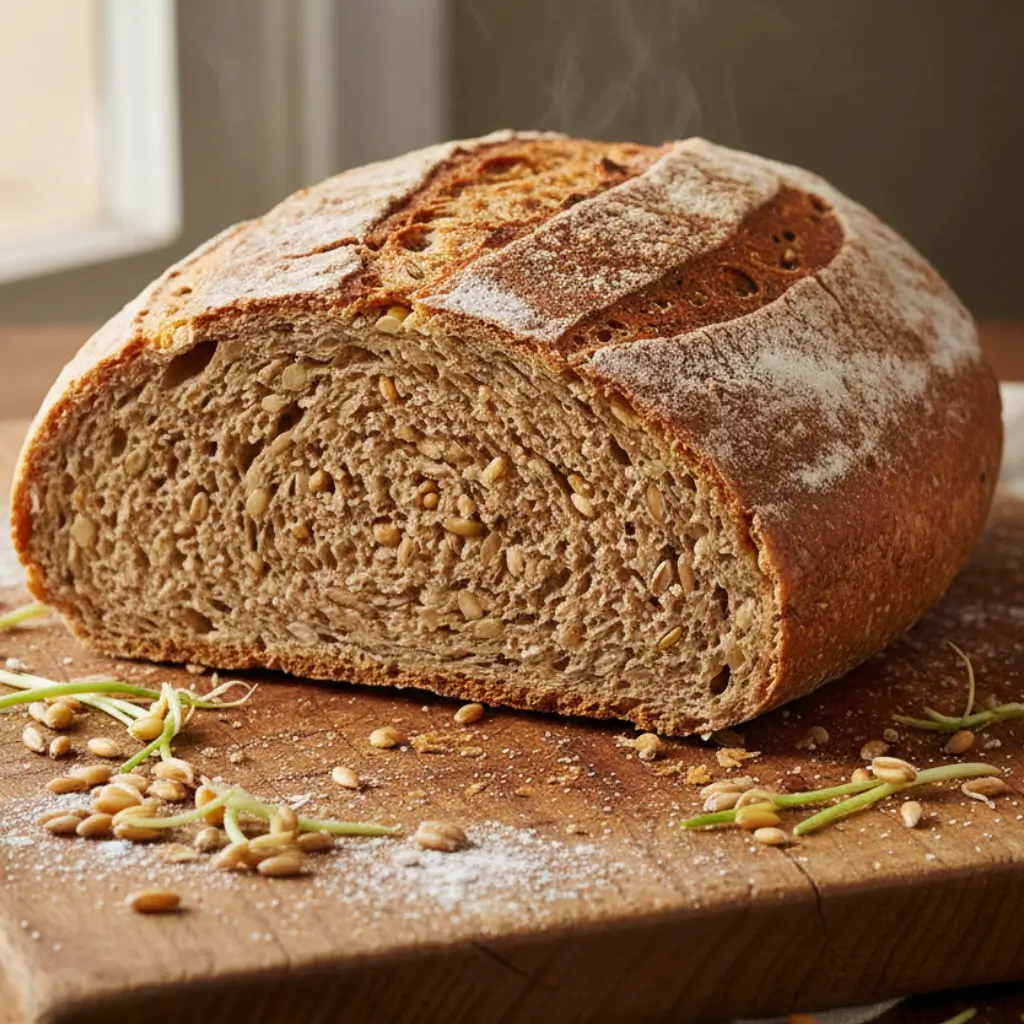
Making authentic Ezekiel bread requires a few key ingredients, primarily sprouted grains that form the foundation of this nutritious loaf. While there are optional ingredients you can add to enhance flavor and texture, the base ingredients are simple, wholesome, and packed with health benefits.
Sprouted Grains:
The hallmark of Ezekiel bread is its use of sprouted grains. These grains are soaked and allowed to sprout, which increases their nutritional value and makes them easier to digest. The most common sprouted grains used in Ezekiel bread are:
- Wheat: The primary grain in most Ezekiel bread recipes, providing a dense texture and nutty flavor.
- Barley: Adds a mild sweetness and contributes to the bread’s moisture and texture.
- Lentils: Rich in protein and fiber, lentils add a hearty element to the bread.
- Spelt: An ancient grain that’s often included for added nutrition, with a slightly nutty flavor.
- Millet and Rye: These grains are sometimes used in variations of the recipe to provide a different texture or flavor profile.
Each of these grains plays a role in providing the bread with protein, fiber, and essential nutrients like iron and magnesium. You can either sprout these grains at home or purchase pre-sprouted grains from health food stores to make the process easier.
Additional Ingredients:
While the main ingredients in Ezekiel bread are sprouted grains, you can enhance the flavor and texture with a few additional ingredients:
- Flax Seeds: These add extra fiber and omega-3 fatty acids, which are great for heart health.
- Nutritional Yeast: A vegan-friendly ingredient that adds a cheesy, savory flavor and provides B-vitamins.
- Honey: While optional, a small amount of honey can be added for a touch of sweetness. If you’re following a strict vegan diet, you can substitute with maple syrup or agave nectar.
These optional ingredients can elevate the taste and nutritional value of your Ezekiel bread, making it even more wholesome.
Substitutions:
If you follow a gluten-free or vegan diet, you can easily modify the traditional Ezekiel bread recipe to suit your needs.
- Gluten-Free Version: To make Ezekiel bread gluten-free, replace wheat and barley with gluten-free grains such as quinoa, rice, buckwheat, or gluten-free oats. You may need to adjust the baking time and texture slightly, as gluten-free grains behave differently than wheat.
- Vegan Version: Ezekiel bread is inherently vegan since it doesn’t require eggs or dairy, but some recipes might call for honey, which isn’t strictly vegan. You can substitute honey with maple syrup, agave nectar, or date syrup to keep the recipe plant-based.
These substitutions allow you to tailor the Ezekiel bread recipe to your dietary preferences without compromising on its nutritional benefits.
How to Make Ezekiel Bread: A Step-by-Step Guide
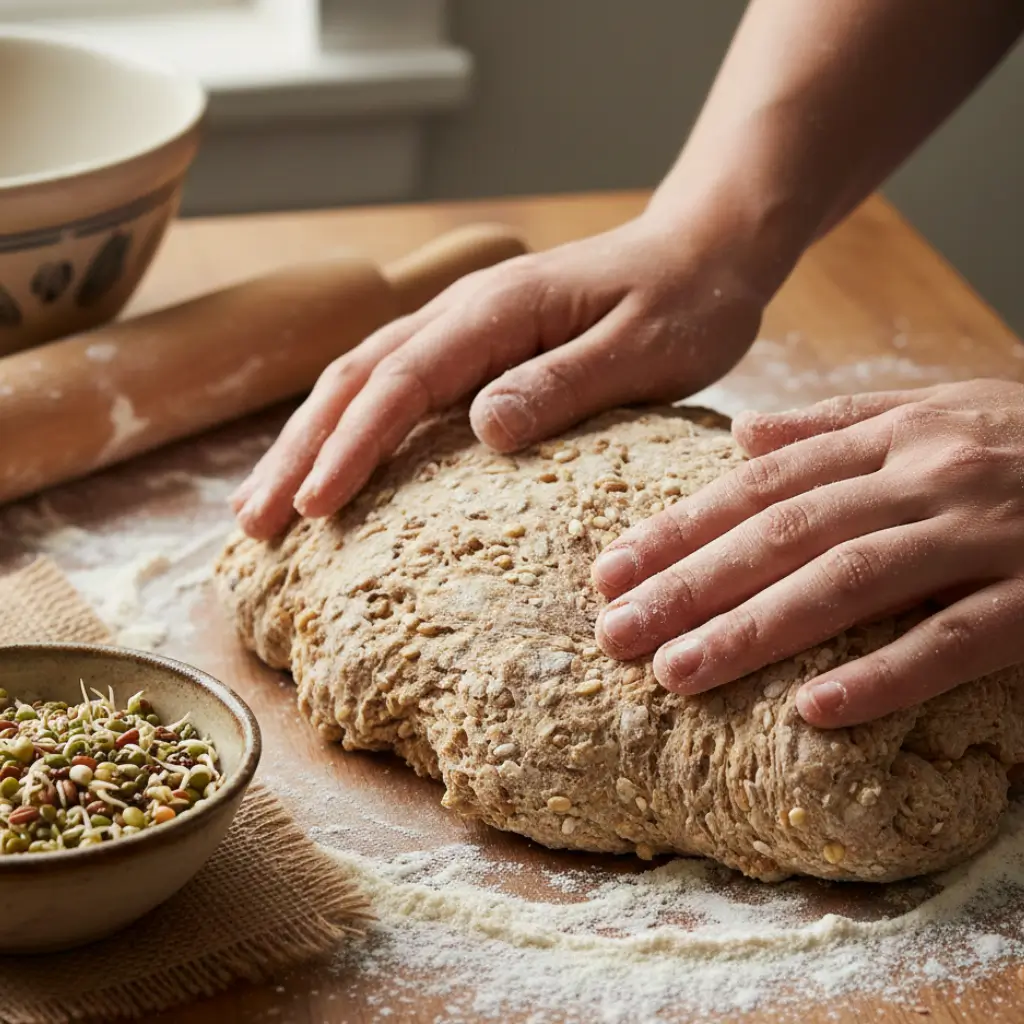
Making Ezekiel bread at home is a rewarding process that allows you to enjoy fresh, wholesome bread made from sprouted grains. Below is a detailed step-by-step guide to help you prepare this nutritious bread, from sprouting the grains to baking the perfect loaf.
Prepare the Grains: How to Sprout Wheat and Other Grains at Home
Soak the grains and allow them to germinate before using them in the recipe. Here’s how to sprout wheat and other grains at home:
- Choose Your Grains: Select the grains you want to use in your Ezekiel bread. Common options include wheat, barley, lentils, spelt, or millet. You can sprout all of these grains together or individually, depending on the recipe.
- Soak the Grains: Place your grains in a large bowl and cover them with water. Allow them to soak for 12-24 hours, depending on the grain. The soaking process activates enzymes that start breaking down the starches in the grains.
- Rinse and Drain: After the soaking period, rinse the grains thoroughly and drain them. Place them in a large jar or sprouting tray and cover with a clean cloth or sprouting lid to allow air circulation.
- Let the Grains Sprout: Keep the soaked grains in a warm, dark place. Rinse and drain the grains every 12 hours to prevent mold from forming. In 2-3 days, you’ll see small sprouts emerging from the grains. Once the sprouts are about 1/4 to 1/2 inch long, your grains are ready to be used in your bread recipe.
Mix the Dough: Instructions for Combining Sprouted Grains with Other Ingredients
Once your grains are sprouted, it’s time to turn them into dough. Follow these simple steps to mix your Ezekiel bread dough:
- Grind the Sprouted Grains: Use a food processor, high-speed blender, or grain mill to grind the sprouted grains into a coarse flour. You can leave the texture a bit chunky, as Ezekiel bread has a dense, hearty texture. If you prefer a finer consistency, grind the grains for longer.
- Add Other Ingredients: In a large mixing bowl, combine your ground sprouted grains with additional ingredients:
- Water (about 1 to 1 1/2 cups, depending on the consistency)
- Flax seeds (optional, for added nutrition)
- Nutritional yeast (optional, for flavor)
- Salt (1 tsp)
- Honey or maple syrup (optional, for a touch of sweetness)
- Mix and Knead: Mix all the ingredients together until a sticky dough forms. If the dough is too dry, add more water, a tablespoon at a time. Once it starts to come together, knead the dough for about 10 minutes. You can knead by hand or use a stand mixer with a dough hook attachment. The dough should be firm but elastic.
- Let it Rise: Once your dough is kneaded, cover it with a damp cloth and place it in a warm area to rise. Allow it to rest for 1-2 hours, or until it has doubled in size.
Baking Tips: Ideal Baking Time and Temperature for Perfect Ezekiel Bread
Now that your dough is ready, it’s time to bake it to perfection. Here’s how to ensure your Ezekiel bread turns out just right:
- Preheat the Oven: Preheat your oven to 350°F (175°C) to ensure the temperature is just right for baking.
- Shape the Dough: After the dough has risen, punch it down gently to remove air bubbles. Shape the dough into a loaf and place it in a greased loaf pan. Alternatively, you can shape it into a round boule or freeform loaf if you prefer.
- Second Rise: Let the dough rise again for about 30-45 minutes in the pan, or until it has puffed up a little more.
- Bake the Bread: Bake the bread in the preheated oven for about 40-50 minutes. You’ll know the bread is done when it has a golden-brown crust and sounds hollow when tapped on the bottom. If you have a kitchen thermometer, the internal temperature should be around 190°F (88°C).
- Cool the Bread: Once baked, remove the bread from the oven and let it cool in the pan for 10 minutes before transferring it to a wire rack to cool completely. This helps set the structure of the bread and prevents it from becoming too soft.
With these steps, you’ll have a loaf of homemade Ezekiel bread that’s packed with flavor, nutrition, and health benefits. Enjoy it fresh out of the oven or toasted with your favorite spread!
For more delicious and flavorful recipes, don’t miss our Garlic Confit Recipe, a perfect addition to your meals.
If you’re craving another tasty sandwich idea, check out our Cheddar Bacon Ranch Chicken Melt Sandwich Recipe for a delicious twist on a classic.
Why Ezekiel Bread is the Healthiest Bread You Can Bake
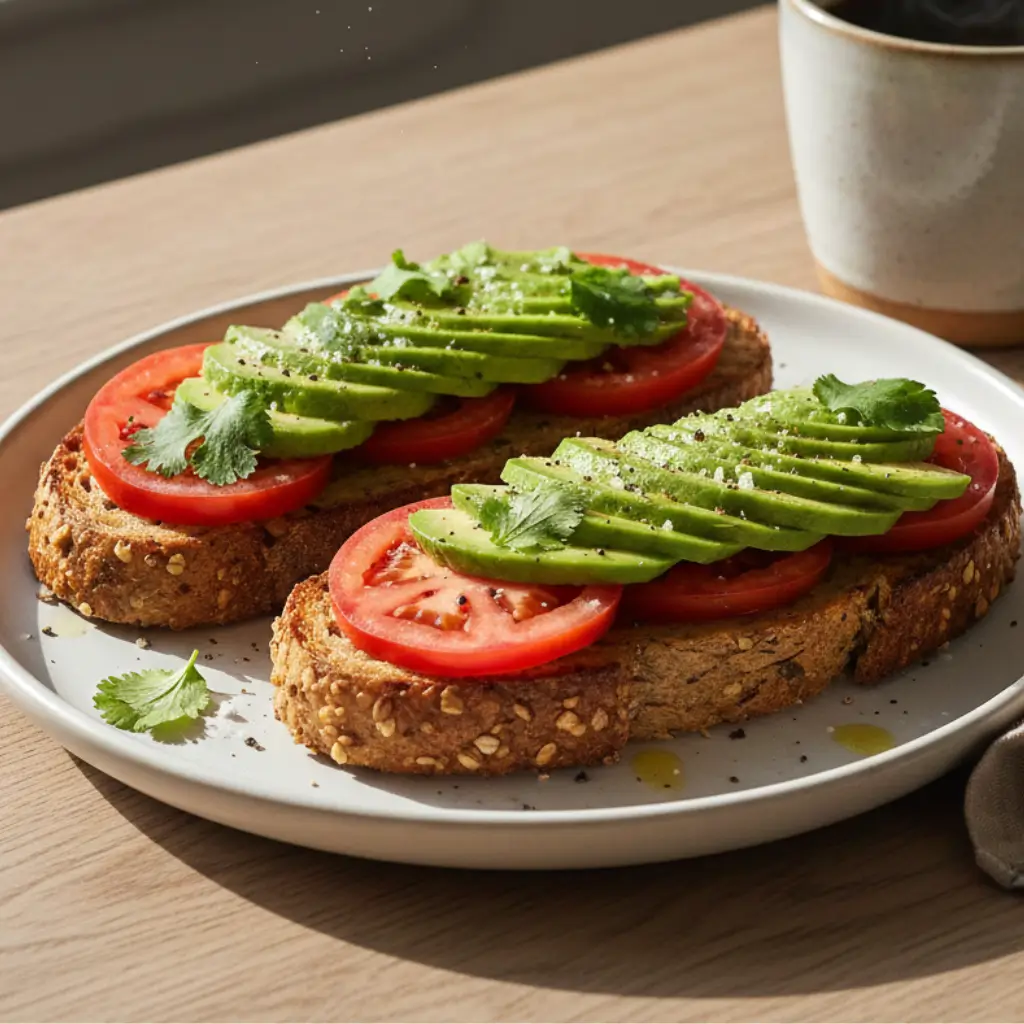
Ezekiel bread stands out as one of the healthiest bread options you can bake, thanks to its unique use of sprouted grains and the numerous health benefits they provide. Here’s a closer look at why Ezekiel bread is a superior choice compared to traditional white bread and how it supports overall wellness.
Whole Grains vs. Refined Grains: A Comparison of the Health Benefits of Ezekiel Bread Versus Traditional White Bread
The most significant difference between Ezekiel bread and traditional white bread lies in the grains used. Traditional white bread is made from refined flour, which undergoes processing that strips away many of its nutrients, leaving behind mostly starch. This results in bread that’s low in fiber and protein and offers minimal nutritional value.
On the other hand, Ezekiel bread is made from whole sprouted grains, including wheat, barley, lentils, and spelt. These grains retain their natural nutrients, including fiber, protein, vitamins, and minerals. Sprouting the grains before baking further enhances their nutritional profile by breaking down starches and increasing the availability of key nutrients like amino acids and antioxidants. This makes Ezekiel bread a far superior choice for those looking to improve their health through diet, offering a rich, nutrient-dense loaf that is far more filling and nutritious than traditional white bread.
Plant-Based and Vegan-Friendly: How Ezekiel Bread Fits into a Plant-Based or Vegan Diet
Ezekiel bread is naturally plant-based and vegan-friendly, making it an excellent addition to plant-based diets. Unlike many commercially available breads that may contain dairy, eggs, or other animal-derived ingredients, Ezekiel bread is made entirely from sprouted grains, which are plant-based. This makes it suitable for vegans and those looking to reduce their consumption of animal products.
For individuals following a vegan or plant-based lifestyle, Ezekiel bread provides a hearty, nutritious option that can be enjoyed in various ways—whether as a sandwich, toasted with avocado, or as a side to a plant-based meal. The bread’s natural protein content, derived from the sprouted grains, also makes it a valuable source of plant-based protein, supporting muscle maintenance and overall health.
Packed with Protein and Fiber: How Ezekiel Bread Supports Digestive Health and Long-Term Wellness
One of the standout benefits of Ezekiel bread is its impressive protein and fiber content, both of which play a critical role in promoting digestive health and long-term wellness.
- Protein: Ezekiel bread is rich in high-quality plant-based protein, thanks to the sprouted grains it’s made from. Protein is essential for building and repairing tissues, supporting immune function, and maintaining healthy muscles and organs. The combination of lentils, wheat, barley, and other sprouted grains in Ezekiel bread provides a complete set of amino acids, making it an excellent protein source for vegetarians and vegans.
- Fiber: Ezekiel bread is packed with fiber, a crucial nutrient for digestive health. Fiber helps regulate bowel movements, prevents constipation, and supports gut health by promoting the growth of beneficial bacteria in the digestive system. Additionally, fiber helps control blood sugar levels, lower cholesterol, and maintain a healthy weight. The high fiber content in Ezekiel bread helps keep you feeling fuller for longer, reducing the temptation to snack on unhealthy foods.
The protein and fiber in Ezekiel bread not only support your digestive system but also contribute to long-term health by promoting heart health, balanced blood sugar, and improved weight management. By replacing refined grains with sprouted grains in your diet, you can enjoy all the benefits of this nutrient-dense bread while supporting your overall health.
Conclusion
Ezekiel bread offers a range of health benefits that make it one of the best bread choices you can bake at home. Packed with sprouted whole grains, it provides a rich source of protein, fiber, essential vitamins, and minerals. The combination of these nutrients supports digestive health, heart health, and long-term wellness, making it a far superior option to traditional white bread. Plus, its plant-based, vegan-friendly ingredients make it an ideal choice for those following a plant-based lifestyle.
Now that you know the health benefits of Ezekiel bread, why not try baking it at home? With simple ingredients and a few easy steps, you can create a fresh, nutritious loaf that not only tastes great but also boosts your health. Whether you’re looking to improve your diet, reduce your intake of refined grains, or simply enjoy a hearty, delicious bread, baking Ezekiel bread is an easy and rewarding way to nourish your body.
Incorporating Ezekiel bread into your diet is more than just enjoying a delicious loaf of bread—it’s a step toward better nutrition and a healthier lifestyle. By choosing sprouted grains over refined flour, you’re making a conscious decision to fuel your body with wholesome, nutrient-dense foods. Give Ezekiel bread a try today, and experience the benefits for yourself!
Frequently Asked Questions (FAQ)
1. What is Ezekiel bread?
Ezekiel bread is a type of bread made from sprouted whole grains, including wheat, barley, lentils, and spelt. It is known for its high protein and fiber content, making it a nutritious and healthier alternative to traditional white bread. It’s based on a recipe from the Bible, specifically Ezekiel 4:9.
2. Is Ezekiel bread gluten-free?
No, traditional Ezekiel bread is not gluten-free, as it is made from wheat and barley, which contain gluten. However, you can make a gluten-free version of Ezekiel bread by using gluten-free grains like quinoa, rice, or buckwheat in place of wheat and barley.
3. What are the health benefits of Ezekiel bread?
Ezekiel bread is packed with nutrients, including protein, fiber, and essential amino acids. It supports digestive health, promotes heart health by lowering cholesterol, and provides vitamins and minerals like iron, magnesium, and B-vitamins. Its high fiber content also helps regulate blood sugar and supports weight management.
4. How do you make Ezekiel bread at home?
To make Ezekiel bread at home, you first need to sprout the grains by soaking them in water and letting them germinate. After sprouting, grind the grains into flour and mix them with other ingredients like water, salt, and optional additions like flax seeds or honey. The dough is then kneaded, allowed to rise, and baked at 350°F (175°C) for 40-50 minutes.
5. Can I make Ezekiel bread without a bread machine?
Yes, Ezekiel bread can be made without a bread machine. You can easily prepare the dough by hand or use a stand mixer. The key steps include soaking and sprouting the grains, grinding them into flour, and then kneading the dough before baking.